Key takeaways
- The famous "LEGO returns ~11% a year" stat is real but narrow: the Dobrynskaya & Kishilova study (1987 to 2015) found ~11% nominal / 8% real average secondary-market returns, beating large stocks, bonds, and gold over that window.
- Those returns hide in small sets. Sets of about 113 pieces or fewer returned roughly 22% a year; sets around 860 pieces returned about 6%. The relationship is U-shaped, small and very large beat medium.
- Individual sets are wildly variable: across 2,322 sets, annual returns ran from about -50% to over +600%. Theme matters too (Star Wars and Harry Potter rose; the Simpsons sets fell ~3.5% a year).
- You only profit if you sell. Sealed condition, storage, years of patience, and high selling fees all eat the paper return, so most people who flip popular flagship sets underperform.
On this page
The honest answer up top
Yes, some retired LEGO sets have beaten the stock market, and there's a real academic paper that says so. But the headline number you've seen everywhere, "LEGO returns about 11% a year," is doing a lot of quiet work.
In the study that produced it, returns loaded almost entirely on small sets, individual sets ranged from losing half their value to gaining over 600%, and the data ends in 2015, before millions of people decided LEGO was a retirementretirementWhen LEGO discontinues a set. Retired sets reliably gain secondary-market value, especially Modular Buildings and licensed UCS sets. BrickEconomy tracks retirement status and post-retirement CAGR. plan.
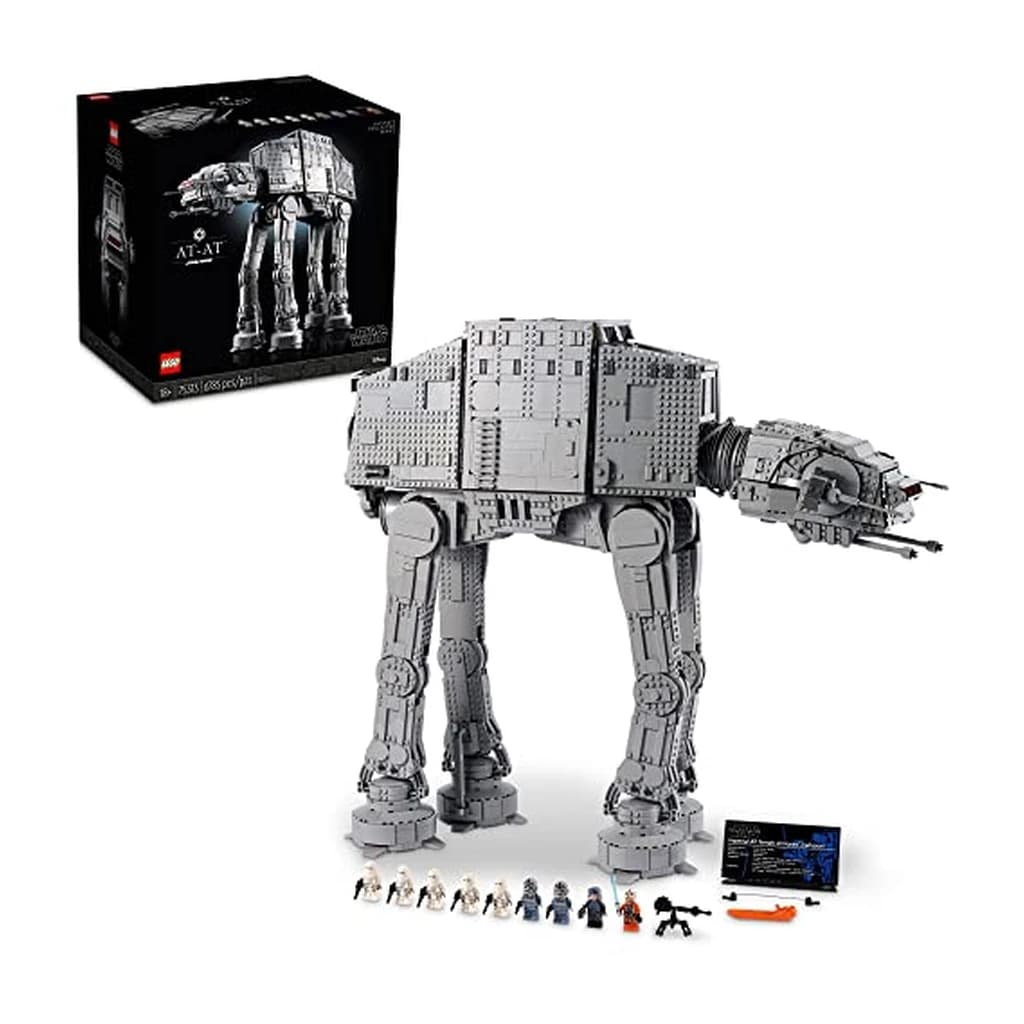
The short version: treating a shelf of sealed Star Wars sets like an index fund is the version of this that usually disappoints. Buying a few small, character-rich, soon-to-retire sets, keeping them sealed for years, and accepting that most of your shelf is a wash is the version that occasionally works.
If you mostly want sets you'll actually display and enjoy, that's a much safer bet than flipping. Our adult LEGO display roundup ranks the ones built to look good on a shelf, value-when-retired aside.
Key takeaways
- The famous "11% a year" is real but narrow. The Dobrynskaya & Kishilova study (1987 to 2015) found average secondary-market returns of about 11% nominal, 8% after inflation, beating large stocks, bonds, and gold over that window.
- The returns hide in small sets. Sets with around 113 pieces or fewer returned roughly 22% a year; sets around 860 pieces returned about 6%. The relationship is U-shaped: small and very large sets beat medium ones.
- Individual sets are wildly variable. Across 2,322 sets, annual secondary-market returns ranged from about -50% to over +600%. Themed sets mattered too: Star Wars and Harry Potter rose, the Simpsons sets fell about 3.5% a year.
- You only profit if you sell. Sealed condition, storage space, years of patience, and high selling fees all eat into the paper return. None of that shows up in the index.

What the data actually says
The paper behind the number
The serious source here is one paper: "LEGO: The Toy of Smart Investors," by Victoria Dobrynskaya and Julia Kishilova, published in Research in International Business and Finance (2022). They analyzed secondary-market prices of 2,322 LEGO sets from 1987 to 2015 and found an average return of at least 11% nominal (8% real), with a Sharpe ratio of 0.4 and a positive alpha of 4 to 5% after standard risk factors. On those numbers, retired LEGO outperformed large stocks, bonds, and gold over the sample.
The size factor is the finding, not the average
That first part is what the "buy these 10 sets before they retire" articles quote. Here's the part they skip: the same study found LEGO returns have "almost unit exposure to the size factor," meaning the index behaves like a basket of small stocks, and the gains concentrate in small sets. The press write-ups put hard numbers on it, around 22% a year for sets of roughly 113 pieces or fewer, versus about 6% for sets near 860 pieces.
So the real finding isn't "LEGO goes up." It's "small, scarce, character-heavy sets that get retired and then become nostalgic go up, on average, eventually, if you sell at the right time." That is a much narrower claim than the listicles imply.
The number nobody quotes: the spread
The single most useful figure for a would-be flipper is the range. Coverage of the study notes that individual sets' annual secondary-market returns spanned roughly -50% to over +600%.
An 11% average across that kind of spread means a handful of winners carry the index while plenty of sets do nothing or lose money. If you buy two or three sets rather than a diversified "fund" of dozens, you are not getting the average. You are getting a coin flip weighted by how well you picked.
The falsifiable claim: most people who "invest" in LEGO are buying the wrong sets, large and popular and heavily produced, at the wrong time, right before retirement when everyone else is buying too. The study's own winners were small and odd, not the 3,000-piece flagship everyone already wants.
What tends to hold value (and what doesn't)
The patterns below come from the academic findings plus how the collector market broadly behaves. Treat them as tendencies, not guarantees.
| Trait | Tends to help resale value | Tends to hurt resale value |
|---|---|---|
| Set size | Small (unique parts, rare figures) or very large (low production) | Medium-size, mass-produced sets |
| Exclusive minifigures | A figure only available in this set | No standout exclusive figure |
| Theme | Star Wars, Harry Potter, Icons/Modulars, licensed nostalgia | Themes that fade (the Simpsons declined in the data) |
| Condition | Sealed, undamaged box | Opened, or a crushed/scuffed box |
| Timing | Held 1 to 2+ years after retirement | Sold at or near retail, right after retirement |
| Supply | Limited run, genuinely retired | Still on shelves or easily re-bought |
The condition line is the one casual sellers underestimate. A sealed set with a clean box can trade at a meaningful premium over the same set opened. The minute you build it, you've converted an "investment" into a toy, which is fine, just be honest about which one you bought.
The costs the index ignores
The 11% figure is a gross, paper return on the set's price. Your real return as a person, not a research index, is lower because:
- Selling fees. Marketplace and payment fees commonly take a double-digit percentage of the sale price. That's a direct haircut on every flip.
- Time and storage. The study's gains assume holding for years. Sealed boxes need clean, climate-stable space, and your money is locked up the whole time.
- Liquidity. A stock sells in seconds. A LEGO set sells when a buyer shows up at your price, which can take weeks and often means accepting an offer below the "market value" a price tracker shows.
- Survivorship bias in the headlines. The viral examples (a rare set up 600%) are the ones that worked. The sets that flopped don't get articles.
So should you do it?
The traits worth paying attention to
What the research actually rewarded:
- Small sets, or genuinely scarce very large ones
- Exclusive minifigures you cannot get elsewhere
- Sealed boxes held years past retirement
What buyers reach for instead:
- The big flagship everyone already recognizes
- A dozen "investment" sets bought at once off a list
- Anything still sitting on shelves at retail
A simple decision rule
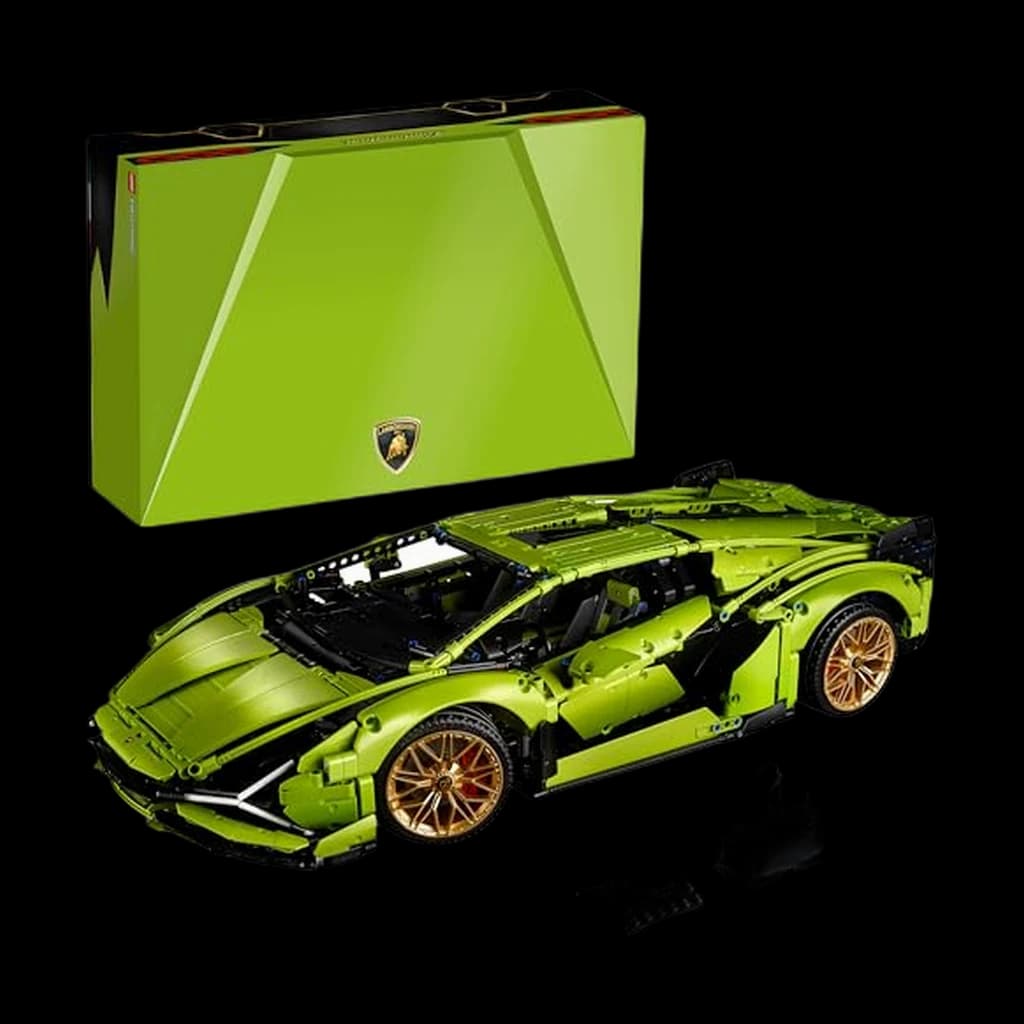
- Buy it to display and enjoy? Go ahead, and if it appreciates later, that's a bonus. This is the only no-regret path. Start with sets designed to look good, like the picks in our LEGO Star Wars and Technic category rankings.
- Buy it purely to flip? Only with money you can lock up for years, only on small or genuinely scarce soon-to-retire sets with exclusive figures, kept sealed, and only if you accept that any single set can lose money. It's a hobby that sometimes pays, not a portfolio.
- Buy a dozen "investment" sets at once because a list told you to? That's the version most likely to underperform. You're paying retail for the popular, well-produced sets that the actual research showed return the least.
LEGO is a genuinely interesting alternative asset, and the academic case is real. It's just a narrower, more patient, more selective case than "sealed sets always go up." Buy the ones you'd be happy to keep, and let any appreciation be the surprise rather than the plan.
Sources
This post draws on the peer-reviewed Dobrynskaya & Kishilova study in Research in International Business and Finance and contemporary reporting on its findings. Full citations are listed below.
Your next step
Buying to hold? Start with the sets that actually appreciate.
Common questions
Are LEGO sets really a better investment than stocks?
Which LEGO sets hold their value best?
Do I have to keep LEGO sets sealed to make money?
Is buying retiring LEGO sets to flip a reliable income?
Research Sources
- Dobrynskaya, V. & Kishilova, J. — "LEGO: The Toy of Smart Investors," Research in International Business and Finance, Vol. 59 (Jan 2022), Elsevier (avg ~11% nominal / 8% real secondary-market returns over 1987–2015; Sharpe ratio 0.4; multifactor alpha 4–5%; almost unit exposure to the size factor)
- RePEc / IDEAS — abstract for Dobrynskaya & Kishilova (2022), "Lego: The Toy Of Smart Investors" (confirms the 11% / 8% figures, size-factor exposure, and the diversification framing)
- 401(k) Specialist — "Small Toy, Big Return: Legos in the 401(k) Investment Menu?" (small sets of ~113 pieces returned ~22%/yr vs ~6% for ~860-piece sets; Star Wars/Harry Potter/superhero themes rose, the Simpsons sets fell ~3.5%/yr)
- The Hill — "Surprising new study finds investing in Legos better than gold, stocks, bonds and art" (2,322 sets analyzed; individual annual secondary-market returns ranged from about -50% to over +600%)