CurioRank · Best Picks

Best Beginner Telescopes & Astronomy, Scored

Entry-level telescopes and sky-watching gear for curious beginners — portable refractors, tabletop Dobsonians, and travel scopes from Celestron, Gskyer, and Sarblue, plus astronomy binoculars. The honest goal here is a first scope that actually shows the Moon and planets without frustrating a newcomer.

Aperture (the lens/mirror diameter) is what matters — it gathers light and determines what you can actually see; ignore the giant 'max magnification' numbers on the box, which are marketing. A stable mount matters as much as the optics: a shaky tripod ruins the view. For absolute beginners, a tabletop Dobsonian or a 70-80mm refractor on a steady alt-az mount is the sweet spot. App-assisted scopes (Celestron StarSense) genuinely help newcomers find objects. Skip the department-store 'high power' scopes — they're the classic disappointment.

Quick Take

Aperture and a stable mount beat headline magnification. A 70-80mm refractor or a tabletop Dobsonian is the beginner sweet spot; StarSense app scopes help you actually find things.

Smart Pick

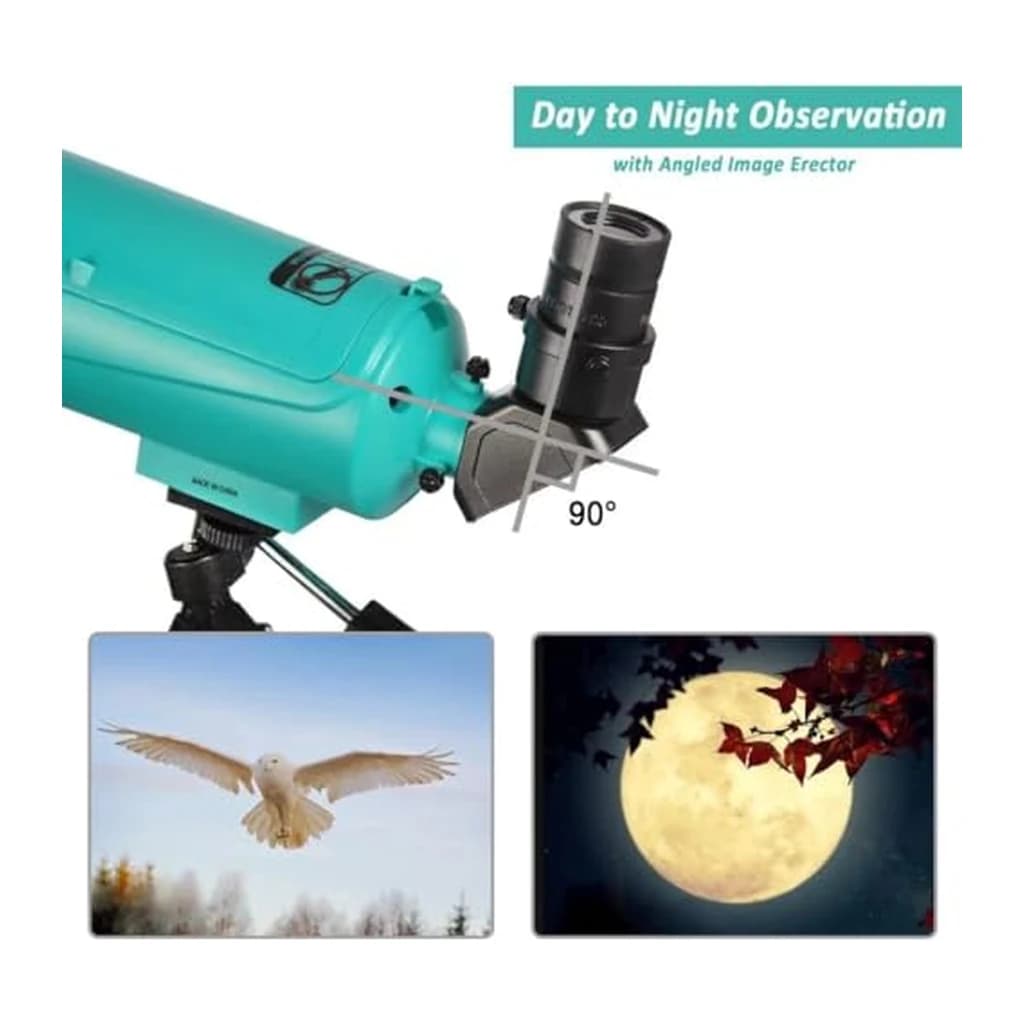
Sarblue Mak60 Maksutov-Cassegrain Tabletop Telescope

Best value in this category at $79.99.

Buy on Amazon

Budget Pick

Sarblue Mak60 Maksutov-Cassegrain Tabletop Telescope

Lowest-priced way in at $79.99.

Buy on Amazon

In 30 seconds

If you just want the answer, here are the three picks worth knowing.

Research-based. We don’t physically test products in this category - rankings combine manufacturer specs, aggregated buyer reviews, and community consensus into a deterministic 0–100 CurioRank score. See the formula.
Swipe left to compare more products
Spec
 
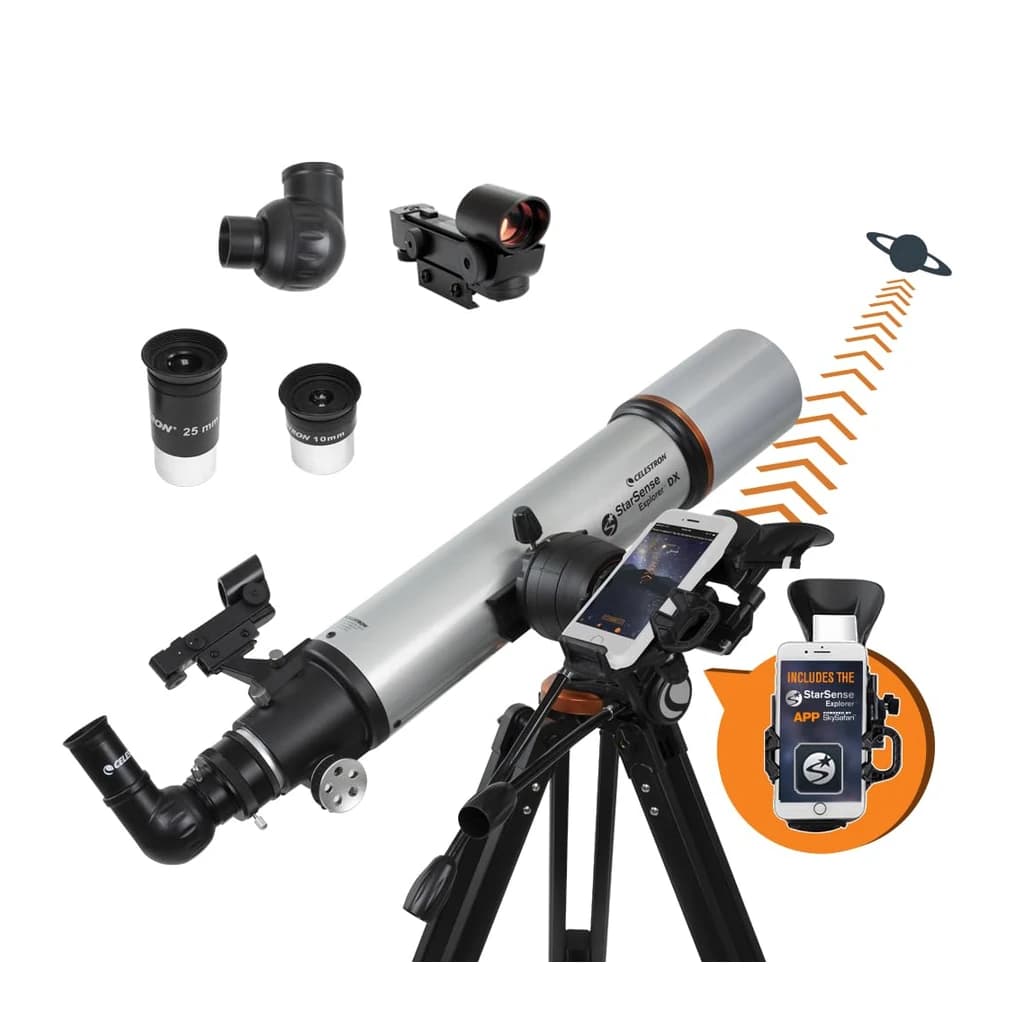
Celestron StarSense Explorer DX 102AZ Refractor
Gskyer 70mm AZ Refractor Telescope (AZ70400)
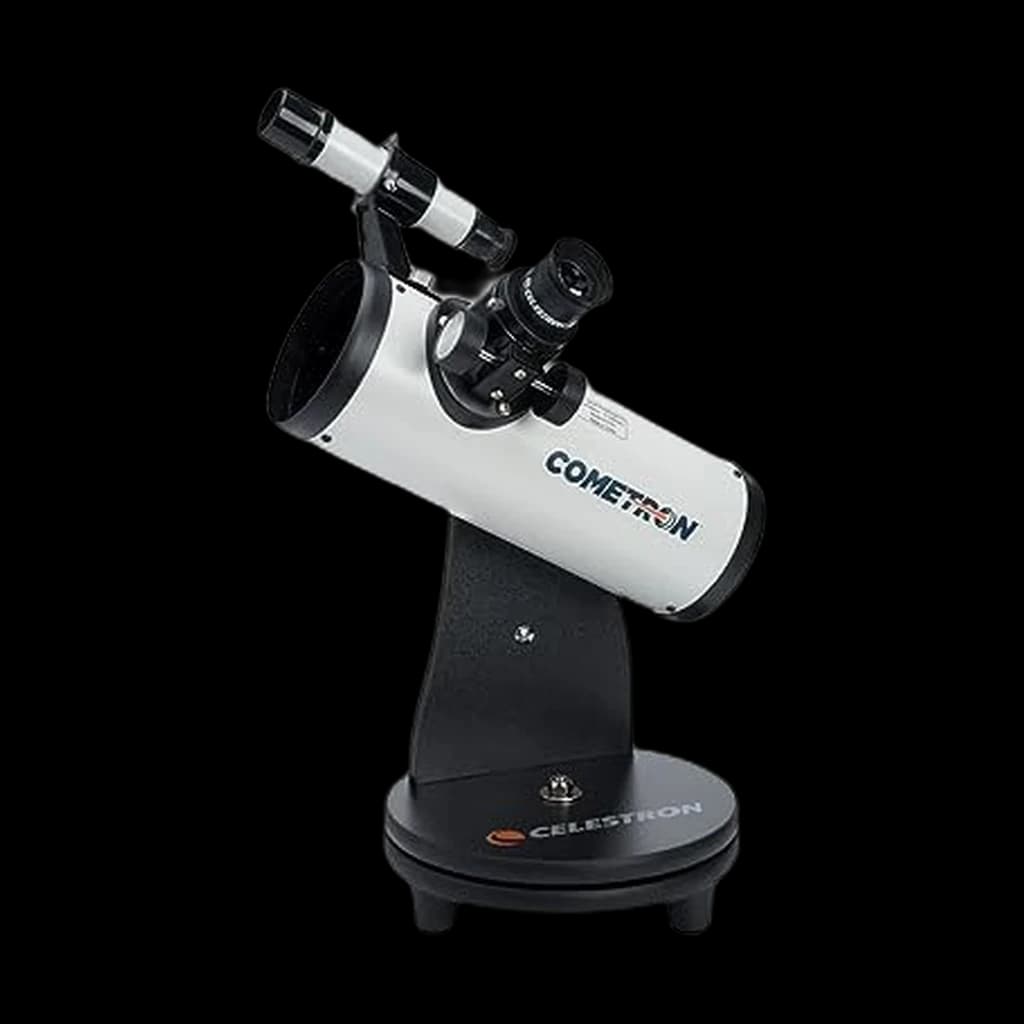
Celestron Cometron FirstScope 76mm Tabletop Telescope
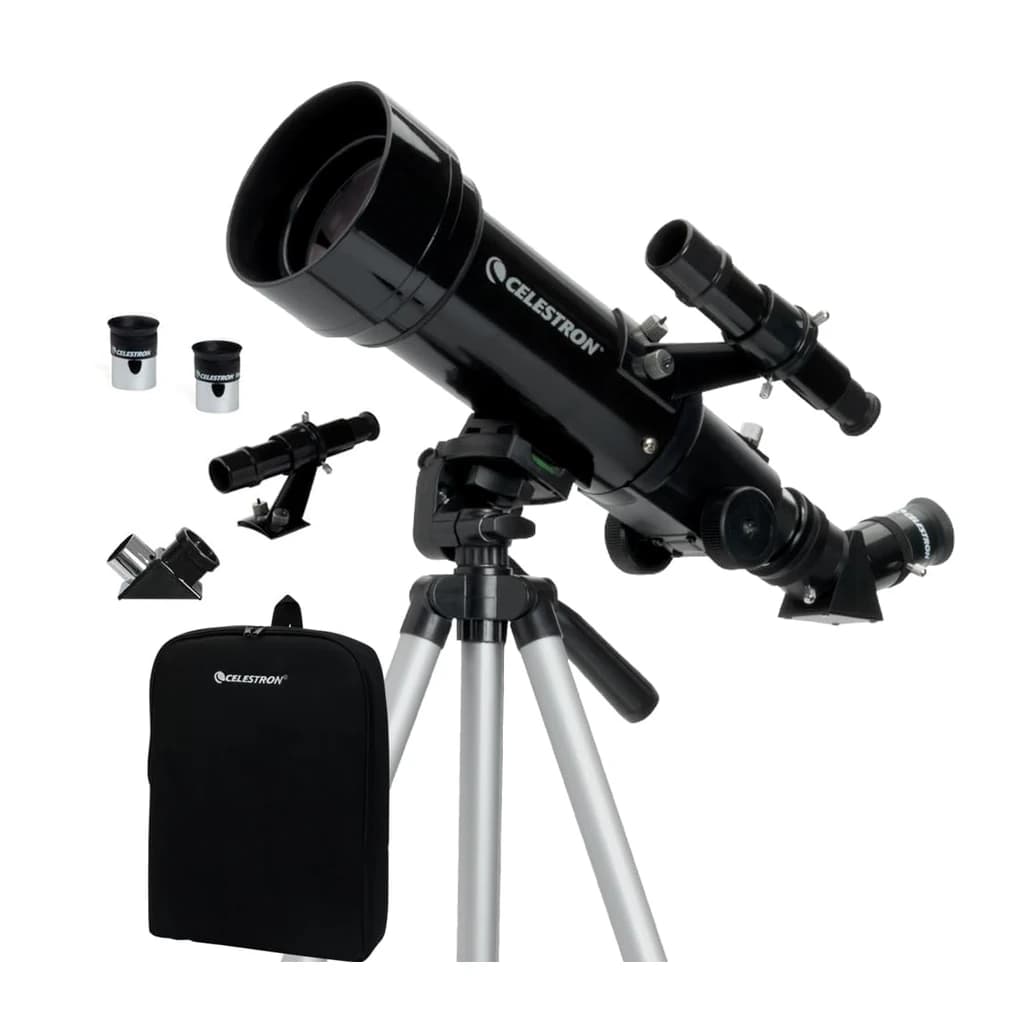
Celestron Travel Scope 70 Portable Refractor
Sarblue Mak60 Maksutov-Cassegrain Tabletop Telescope
Buy
Optics & Aperture
90
Beginner Usability
87
Portability
69
Value
61
Owner Satisfaction
65
Optics & Aperture
94
Beginner Usability
74
Portability
79
Value
76
Owner Satisfaction
84
Optics & Aperture
80
Beginner Usability
71
Portability
78
Value
85
Owner Satisfaction
74
Optics & Aperture
90
Beginner Usability
64
Portability
81
Value
84
Owner Satisfaction
67
Optics & Aperture
75
Beginner Usability
69
Portability
75
Value
74
Owner Satisfaction
73
Buyer sentiment
Quality Setup Ease Of Use Suitable For Beginners
Durability

Buyers praise quality, setup, ease of use and suitable for beginners. Mixed feedback on field of view and performance. Some flag durability.

Based on 462 user mentions

Quality Easy To Setup Suitability For Beginners Value for money

Buyers praise quality, easy to setup, suitability for beginners and value for money.

Based on 11,281 user mentions

Suitability For Beginners Value for money Ease Of Use Portability
Adjustability

Buyers praise suitability for beginners, value for money, ease of use and portability. Mixed feedback on visibility and sturdiness. Some flag adjustability.

Based on 83 user mentions

Quality Value for money Portability Suitability For Beginners
Stability

Buyers praise quality, value for money, portability and suitability for beginners. Mixed feedback on visibility. Some flag stability.

Based on 2,624 user mentions

Quality Ease Of Use Optical Quality Portability

Buyers praise quality, ease of use, optical quality and portability. Mixed feedback on size and sturdiness.

Based on 384 user mentions

Aperture102mm70mm76mm70mm60mm
Focal Length660mm400mm300mm400mm750mm
MountAlt-azimuthAlt-azimuth + tripodTabletop DobsonianAlt-azimuth + tripodTabletop
Max Useful Magnification~241x~140x~150x~140x~120x
Weight~18 lb~6 lb~4 lb~3.3 lb~3 lb

* Prices are approximate and may not reflect current rates. As an Amazon Associate I earn from qualifying purchases.

As an Amazon Associate I earn from qualifying purchases. Product prices and availability are subject to change.

💬

What Parents Are Saying

r/telescopesr/astronomy

r/telescopes is emphatic: buy aperture and a stable mount, ignore the 'max magnification' on the box, and avoid cheap department-store scopes. The sub frequently steers beginners toward tabletop Dobsonians or quality 70-90mm refractors, and praises Celestron's StarSense app for helping newcomers locate objects.

Parents Love

  • Celestron StarSense Explorer DX 102AZ - The app-guided alignment genuinely helps beginners find planets and deep-sky objects without star-hopping skills.
  • Celestron FirstScope tabletop Dobsonian - Cheap, stable, and aperture-for-the-money — a classic no-frustration first scope.

Parents Warn Against

  • Department-store 'high magnification' telescopes - Marketed on huge magnification numbers with tiny apertures and shaky mounts — the single most-regretted beginner purchase in r/telescopes.

💡 Surprising Truth

The number on the box you should ignore is magnification; the one that matters is aperture in millimeters — a steady 80mm scope beats a wobbly '525x' department-store one every time.

Research Sources (2)

Buying Guide

📊 Aperture, not magnification, sets the limit: an 80mm refractor gathers about 130x more light than the naked eye, which is what actually reveals Saturn's rings and Jupiter's moons.

Aperture (the lens/mirror diameter) is what matters — it gathers light and determines what you can actually see; ignore the giant 'max magnification' numbers on the box, which are marketing. A stable mount matters as much as the optics: a shaky tripod ruins the view. For absolute beginners, a tabletop Dobsonian or a 70-80mm refractor on a steady alt-az mount is the sweet spot. App-assisted scopes (Celestron StarSense) genuinely help newcomers find objects. Skip the department-store 'high power' scopes — they're the classic disappointment.

Find the right pick in 5 seconds

Filter by price

Celestron StarSense Explorer DX 102AZ Refractor product photo
Top Pick
4.2

The beginner scope that solves 'I can't find anything' — its StarSense app walks your phone to planets and deep-sky targets through real aperture.

Pros

  • App guides you to objects via phone
  • Quality 102mm aperture
  • Stable alt-az mount
  • Genuinely beginner-friendly finding

Cons

  • Priciest beginner pick
  • Bulkier to transport
CurioRank
Score
Optics & Aperture
90
Beginner Usability
87
Portability
69
Value
61
Owner Satisfaction
65
How we score →

Aperture

102mm

Focal Length

660mm

Mount

Alt-azimuth

Max Useful Magnification

~241x

Weight

~18 lb

Gskyer 70mm AZ Refractor Telescope (AZ70400) product photo
Runner Up
4.4

The default budget beginner refractor — light, simple, and good enough for the Moon and bright planets, if you keep magnification modest.

Pros

  • Amazon's best-selling beginner scope
  • Light, portable, easy setup
  • Decent Moon and planet views
  • Includes phone adapter + bag

Cons

  • Wobbly at high magnification
  • Bundled eyepieces are basic
CurioRank
Score
Optics & Aperture
94
Beginner Usability
74
Portability
79
Value
76
Owner Satisfaction
84
How we score →

Aperture

70mm

Focal Length

400mm

Mount

Alt-azimuth + tripod

Max Useful Magnification

~140x

Weight

~6 lb

Celestron Cometron FirstScope 76mm Tabletop Telescope product photo
Great Value
4.3

The classic cheap first scope r/telescopes actually endorses — stable, decent aperture, and no shaky tripod to fight.

Pros

  • Stable tabletop base
  • Good aperture for the price
  • No fiddly tripod
  • Truly grab-and-go

Cons

  • Needs a table/steady surface
  • Basic included eyepieces
CurioRank
Score
Optics & Aperture
80
Beginner Usability
71
Portability
78
Value
85
Owner Satisfaction
74
How we score →

Aperture

76mm

Focal Length

300mm

Mount

Tabletop Dobsonian

Max Useful Magnification

~150x

Weight

~4 lb

Celestron Travel Scope 70 Portable Refractor product photo
#4
4.2

The take-anywhere budget scope — light enough to backpack and fine for the Moon, terrestrial views, and bright planets.

Pros

  • Very portable with backpack
  • Doubles for daytime/terrestrial use
  • Inexpensive
  • Includes phone adapter

Cons

  • Lightweight tripod is shaky
  • Best at low-to-mid power
CurioRank
Score
Optics & Aperture
90
Beginner Usability
64
Portability
81
Value
84
Owner Satisfaction
67
How we score →

Aperture

70mm

Focal Length

400mm

Mount

Alt-azimuth + tripod

Max Useful Magnification

~140x

Weight

~3.3 lb

Sarblue Mak60 Maksutov-Cassegrain Tabletop Telescope product photo
#5
4.2

A pocket Maksutov that punches above its size on the Moon and planets — a tidy, sharp little tabletop scope for lunar fans.

Pros

  • Compact long-focal-length optics
  • Sharp Moon and planet detail
  • Tabletop stability
  • Includes finder + eyepieces

Cons

  • Narrow field of view
  • Small aperture limits deep-sky
CurioRank
Score
Optics & Aperture
75
Beginner Usability
69
Portability
75
Value
74
Owner Satisfaction
73
How we score →

Aperture

60mm

Focal Length

750mm

Mount

Tabletop

Max Useful Magnification

~120x

Weight

~3 lb

* Prices are approximate and may vary. Please check the latest price on Amazon. As an Amazon Associate I earn from qualifying purchases.

Related Reading

All guides →
Are LEGO Sets Actually a Good Investment? The Real Data

Are LEGO Sets Actually a Good Investment? The Real Data

Yes, some retired sets beat the market, and there's a real study that says so. But the 11%-a-year headline hides where the gains actually are, and where they ar

CurioRank Editorial
7 min readJun 23, 2026
How to Play Board Games With Mixed Ages (and Have Fun)

How to Play Board Games With Mixed Ages (and Have Fun)

The age gap isn't the problem to engineer around — it's the resource. Three levers to keep one shared game fun for every player at the table.

CurioRank Editorial
7 min readJun 22, 2026
How to Handle a Kid's Blind-Box and Card-Pack Obsession

How to Handle a Kid's Blind-Box and Card-Pack Obsession

Blind boxes aren't a discipline problem — they're a design problem. Here's how to keep a normal collecting hobby from becoming an open-ended bill.

CurioRank Editorial
7 min readJun 19, 2026