Key takeaways
- The 5-minute Pomodoro break is wasted on a phone - a tactile puzzle uses a different sensory channel and actually restores attention, while scrolling depletes it.
- For a daily-use desk fidget pick something silent and one-handed (Hanayama Cast or GAN speed cube), not clicky or two-handed.
- Single-use escape-room puzzles like Cluebox are a different category - one Friday afternoon, then shelf decor. Don't expect them to be a recurring tool.
- The desk ergonomics under the fidget matter more than the fidget itself. A bad monitor height or chair will erase any benefit from a 5-minute break.
On this page
Side-by-side comparison
The default desk fidget for adults who want something that lasts past the first break.
- Difficulty
- Level 6 (highest)
- Solve Time
- Hours to days
- Material
- Cast metal
- Mechanism Type
- Mechanical puzzle
Best evidence
Silent and one-handed - safe for any call
Main trade-off
No instructions - fully blind solve
If you already solve cubes, this is the upgrade. Quiet enough for the Zoom call you're half-listening to.
- Difficulty
- Variable by skill
- Solve Time
- Beginner: 20+ min; Pro: under 3 sec
- Material
- Plastic with magnets
- Mechanism Type
- Magnetic speed cube
Best evidence
Magnetic turning is near-silent on calls
Main trade-off
Steep upfront learning curve
Sit-next-to-the-desk format with built-in difficulty scaffolding. Picks the puzzle for you so you don't have to.
- Difficulty
- 60 challenges, easy to expert
- Solve Time
- 5-20 min per challenge
- Material
- Plastic
- Mechanism Type
- Gravity logic puzzle
Best evidence
60 prebuilt challenges with progressive difficulty
Main trade-off
Plastic build, not premium-feeling
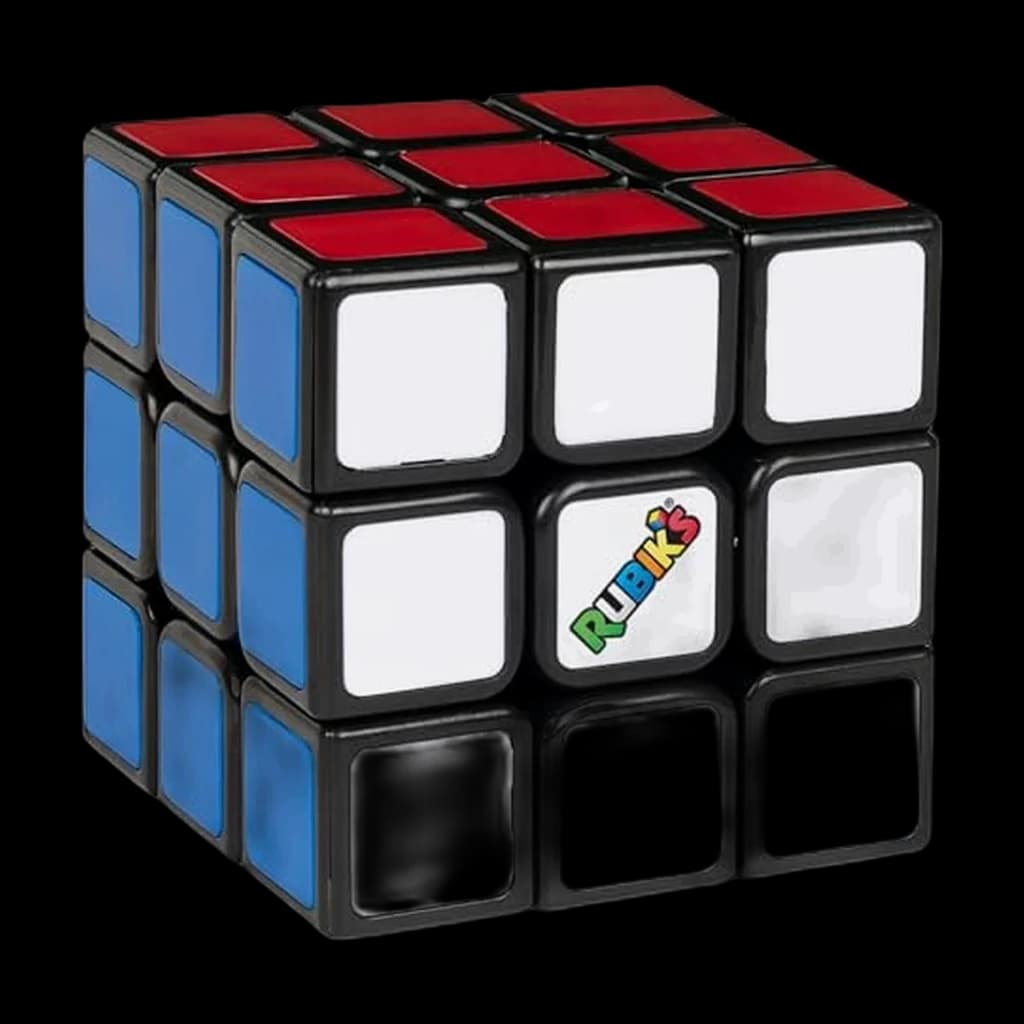
The starter cube. If you outgrow it in a month, you've learned you want a GAN. Worth the $11 either way.
- Difficulty
- Beginner-friendly with tutorials
- Solve Time
- Hours-days for beginners
- Material
- Plastic
- Mechanism Type
- Original 3x3 mechanism
Best evidence
Cheapest way to test whether brain teasers are your shape
Main trade-off
Audibly clicky on calls
The puzzle for the day a deploy is running and you need a longer reset than a Pomodoro can provide.
- Difficulty
- Challenging
- Solve Time
- 2-8 hours
- Material
- Wood + metal
- Mechanism Type
- Multi-stage escape
Best evidence
Wooden escape-room-in-a-box, multi-stage solve
Main trade-off
One-shot puzzle - no replay
* Prices are approximate. Tap Buy to see current pricing on Amazon.
| Comparison field | #1Hanayama Cast Puzzle (Level 6) Owner rating | #2GAN 356 M Magnetic Speed Cube Owner rating | #3ThinkFun Gravity Maze Owner rating | #4Rubik's Cube (3x3 Classic) Owner rating | #5Cluebox: Schrödinger's Cat Owner rating |
|---|---|---|---|---|---|
 |  |  |  |  | |
| CurioRank | |||||
| Verdict | The default desk fidget for adults who want something that lasts past the first break. | If you already solve cubes, this is the upgrade. Quiet enough for the Zoom call you're half-listening to. | Sit-next-to-the-desk format with built-in difficulty scaffolding. Picks the puzzle for you so you don't have to. | The starter cube. If you outgrow it in a month, you've learned you want a GAN. Worth the $11 either way. | The puzzle for the day a deploy is running and you need a longer reset than a Pomodoro can provide. |
| Price | |||||
| Difficulty | Level 6 (highest) | Variable by skill | 60 challenges, easy to expert | Beginner-friendly with tutorials | Challenging |
| Solve Time | Hours to days | Beginner: 20+ min; Pro: under 3 sec | 5-20 min per challenge | Hours-days for beginners | 2-8 hours |
| Material | Cast metal | Plastic with magnets | Plastic | Plastic | Wood + metal |
| Mechanism Type | Mechanical puzzle | Magnetic speed cube | Gravity logic puzzle | Original 3x3 mechanism | Multi-stage escape |
| Buyer sentiment | Difficulty Quality Fun Appearance Durability Buyers praise difficulty, quality, fun and appearance. Some flag durability. Based on 1,925 user mentions | Quality Smooth operation Speed Value for money Buyers praise quality, smooth operation, speed and value for money. Based on 126 user mentions | Fun Game quality Challenge Educational Buyers praise fun, game quality, challenge and educational. Based on 2,791 user mentions | Quality Fun Maneuverability Value for money Durability Buyers praise quality, fun, maneuverability and value for money. Some flag durability. Based on 2,858 user mentions | Fun Quality Difficulty Gift Buyers praise fun, quality, difficulty and gift. Based on 1,222 user mentions |
| Pros |
|
|
|
|
|
| Cons |
|
|
|
|
|
* Prices are approximate. Click Buy to see current pricing on Amazon.
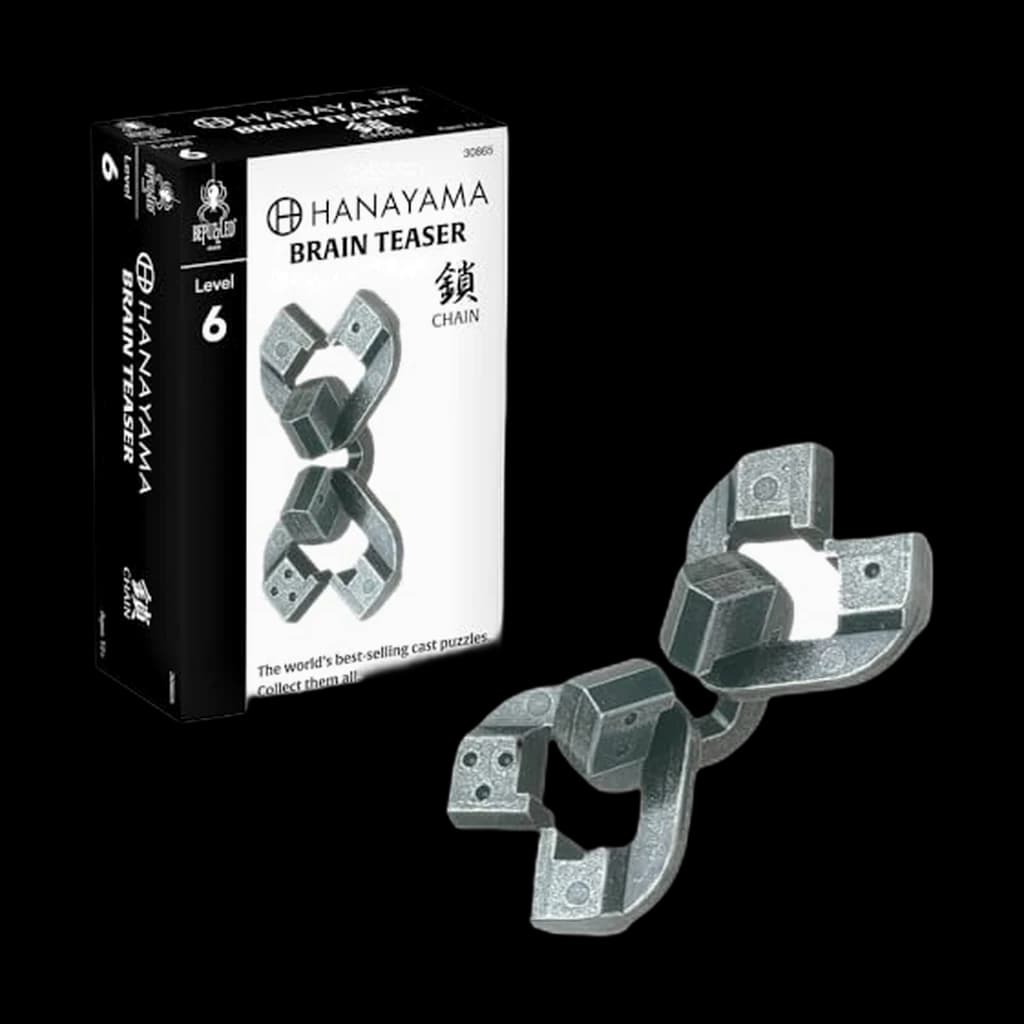
Hanayama Cast Puzzle (Level 6)
- Hours to solve - challenging Level 6 difficulty
- Solid cast metal - heirloom-quality
- Clever mechanism with elegant solution
Silent, one-handed, fits beside a coffee mug, and a Level 6 takes weeks of break-sized sessions to crack. The default desk fidget for adults who don't want their hands clicking on a Zoom call.
Quick Answer
If you want one thing on your desk by Friday, get the Hanayama Cast Puzzle (Level 6). It's metal, silent, fits next to a coffee mug, and a Level 6 takes weeks of intermittent five-minute breaks before you solve it. CurioRank Score 86.
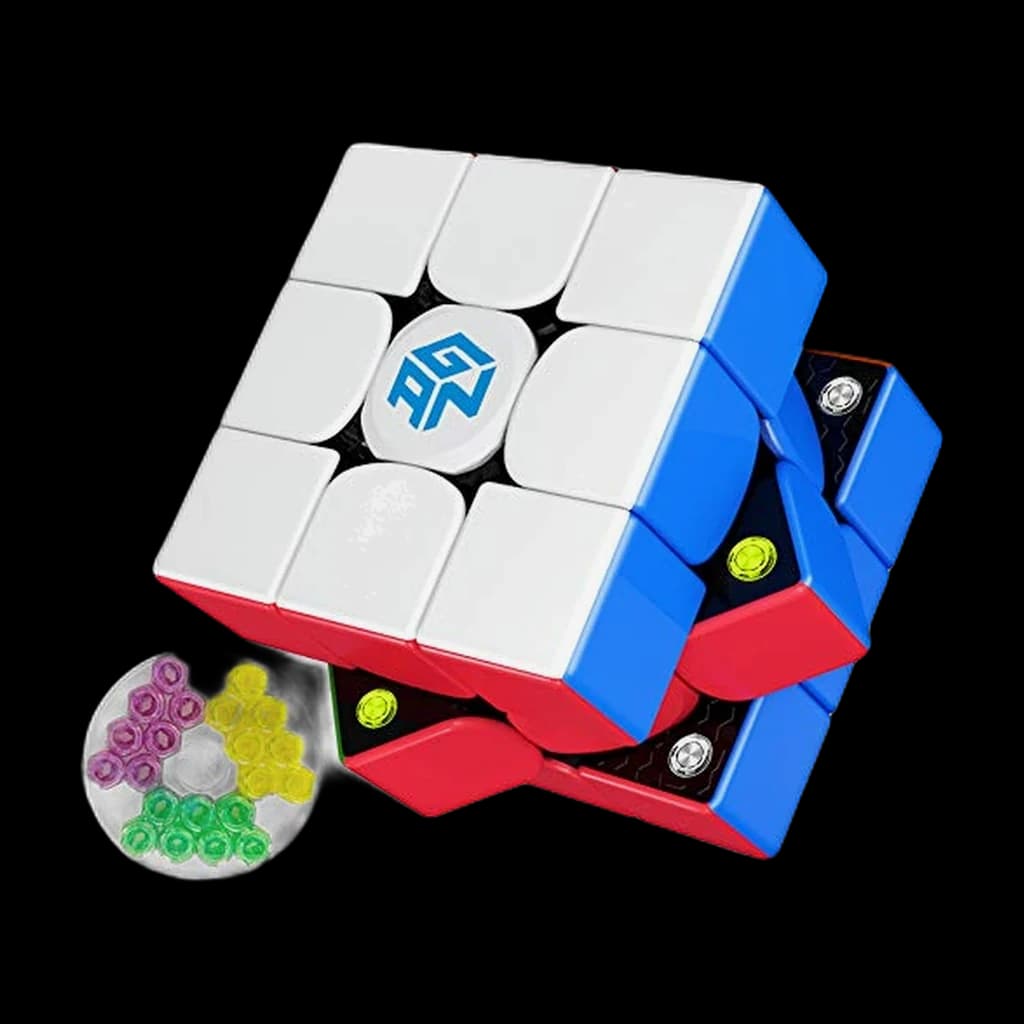
If you already solve cubes, the GAN 356 M Magnetic Speed Cube is the right upgrade from whatever drawer-Rubik's you have - it turns quietly enough for back-to-back calls and resets in under a minute.
The rest of this post is for picking based on how you actually take breaks.
Why your desk lost its tactile layer
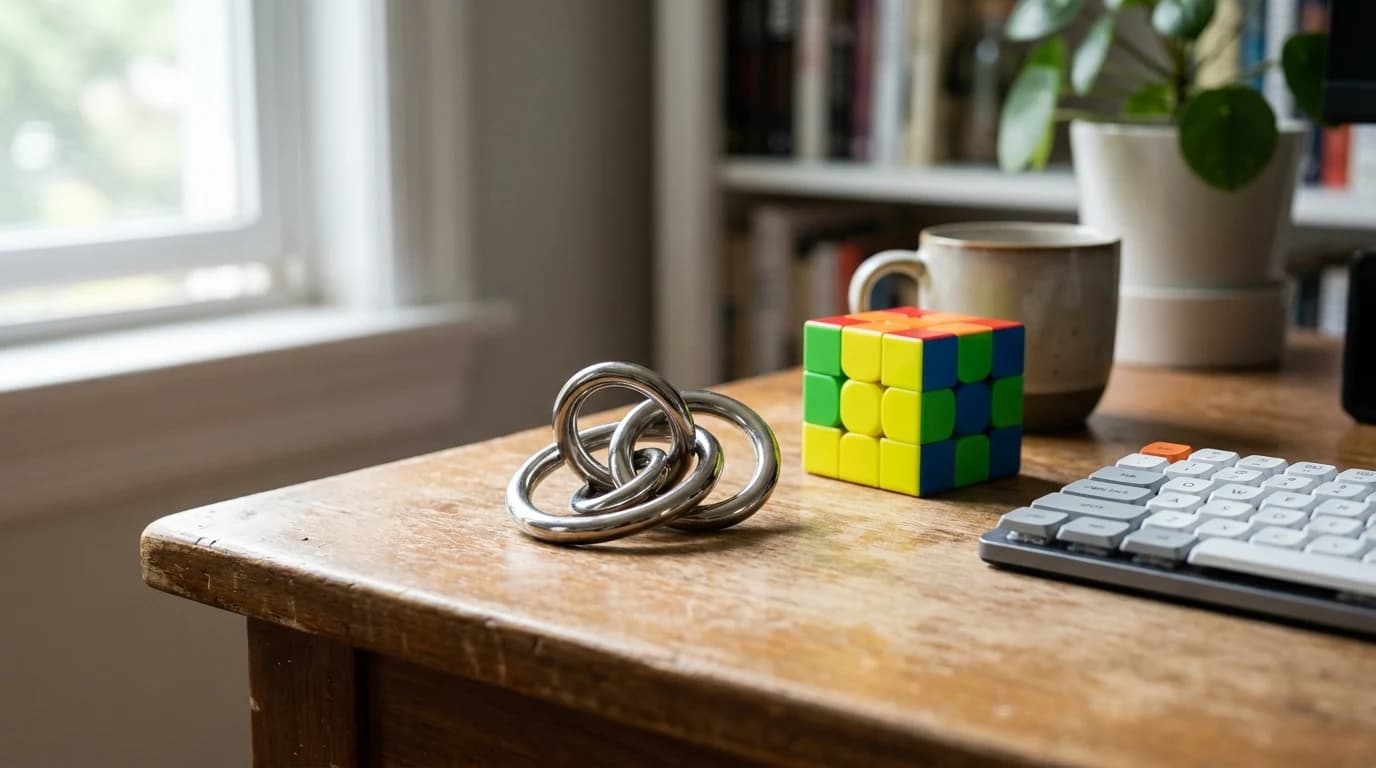
Before WFH, the office had built-in fidget infrastructure: a pen to click, a stress ball from some wellness week, a stapler to flick. None of it was designed as a fidget, but all of it gave your hands something to do while your prefrontal cortex decided what to write next.
The home desk usually has none of that. Just a keyboard, a mouse, a coffee mug, and a phone. When the Pomodoro timer hits the 5-minute break, the phone wins by default - which is the worst possible refresh. You're switching from one screen to a smaller, more addictive screen. The break ends and you feel more depleted than when you started.
The trap: treating the phone as a break. It is the same input channel as the work you just stopped doing, which is why a scrolling break restores nothing.
A physical puzzle changes the loop. Your eyes leave the monitor. Your hands do something that isn't typing. It's not magic - it's attention restoration through a different sensory channel.
The 5 Picks, Ranked
| Pick | Noise at a desk | Time per session | CurioRank |
|---|---|---|---|
| Hanayama Cast (Level 6) | Fully silent | Weeks of five-minute breaks | 86 |
| GAN 356 M Speed Cube | Quiet turning | Under a minute once practiced | 83 |
| ThinkFun Gravity Maze | — | Three minutes on the easy cards | 80 |
| Rubik's Cube (3x3 Classic) | Clicky, audible on calls | — | 80 |
| Cluebox: Schrödinger's Cat | — | A full Friday afternoon | 79 |
1. Hanayama Cast Puzzle (Level 6) - the desk standard
Check price on Amazon · List Price:The Hanayama Cast line has been the default mechanical-puzzle recommendation on r/mechanical_puzzles for over a decade, and a Level 6 is the right one for a WFH desk. Solid metal, fully silent, one-handed, resets on a flat surface in two seconds. The Level 6 difficulty means you won't solve it in your first ten breaks - which is the point. You want something that consistently fails to dissolve into background noise.
- Why it works at a desk: silent, one-handed, fits next to a mug, doesn't roll if bumped.
- Failure mode: once you finally solve it, the puzzle's done. Cycle to a different Cast level (the line runs 1-6).
2. GAN 356 M Magnetic Speed Cube - the reset puzzle
Check price on Amazon · $27.99 →Full review →If you're someone who solves the same Rubik's ten times a day, get the GAN 356 M. The magnets pull pieces into place instead of letting them clack, so it's dramatically quieter than budget cubes. Standard CFOP resets it in under a minute once practiced, and you can solve while listening to a meeting.
- Why it works at a desk: quiet turning, no parts to lose, ten-second to ten-minute solve depending on focus.
- Failure mode: steep learning curve if you've never solved one. Plan two evenings with a YouTube tutorial before it becomes a useful break tool.
3. ThinkFun Gravity Maze - the puzzle-on-the-shelf
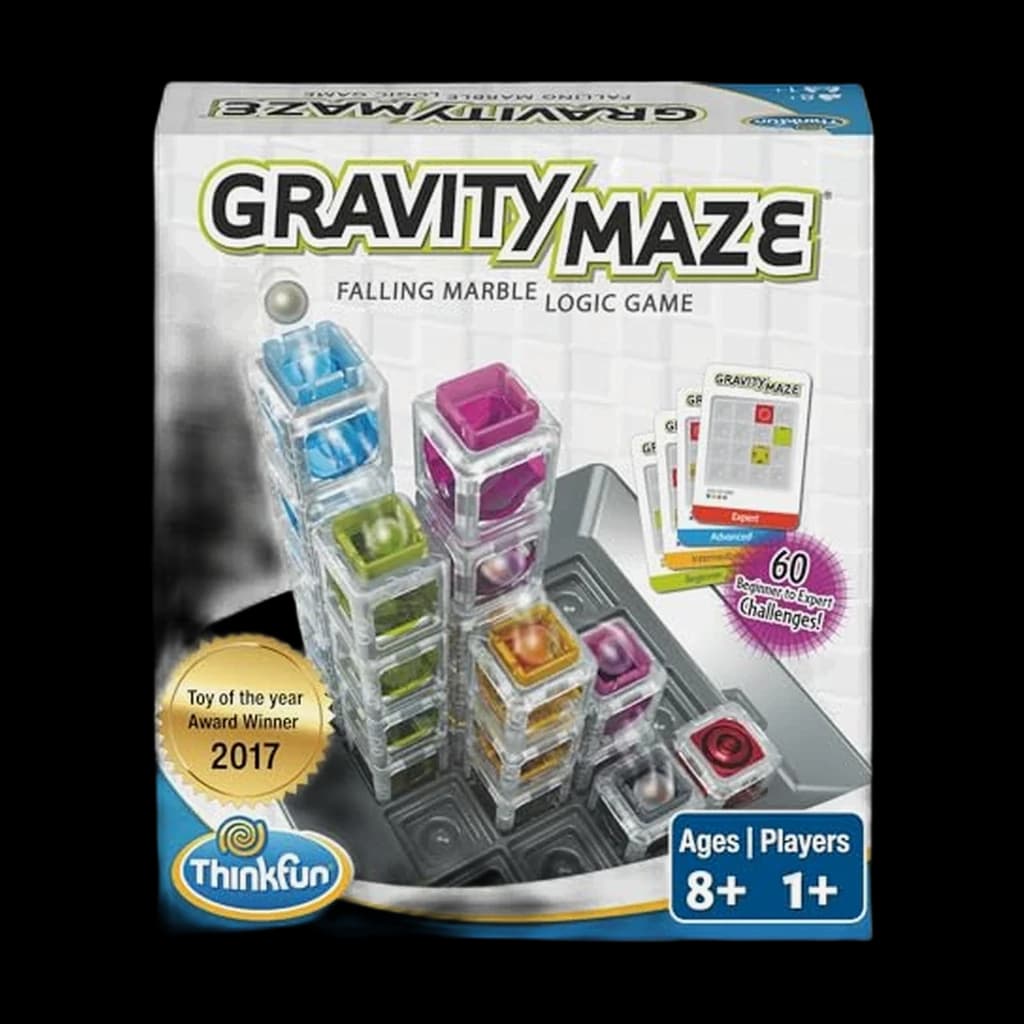
Check price on Amazon · List Price:Gravity Maze is sixty marble-routing challenges in a clear tower. It's bigger than a Hanayama (about a Kleenex box footprint), so this lives next to the desk rather than on it. Per-challenge solve time fits a Pomodoro break - easy challenges resolve in three minutes, hard ones make you put it down and come back. The deck is scaffolded by difficulty, so you can grab the next card without inventing your own problem.
- Why it works at a desk: built-in difficulty scaffolding, the marble drop is genuinely satisfying.
- Failure mode: plastic, not premium-feeling. And once you've cleared all 60, you've cleared all 60.
4. Rubik's Cube (3x3 Classic) - the budget entry
Check price on Amazon · List Price:If you've never owned a brain teaser as an adult, the original Rubik's is the cheapest way to find out whether this genre is for you. It's audibly clicky (skip it if you do a lot of unmuted calls) and stiffer than the GAN, but neither matters if you're just trying out the habit. Either you upgrade to a GAN, or you find out this isn't your fidget shape and you've spent under fifteen dollars learning that.
- Why it works at a desk: universally recognized, cheap, huge tutorial library.
- Failure mode: clicky enough to be picked up on Zoom.
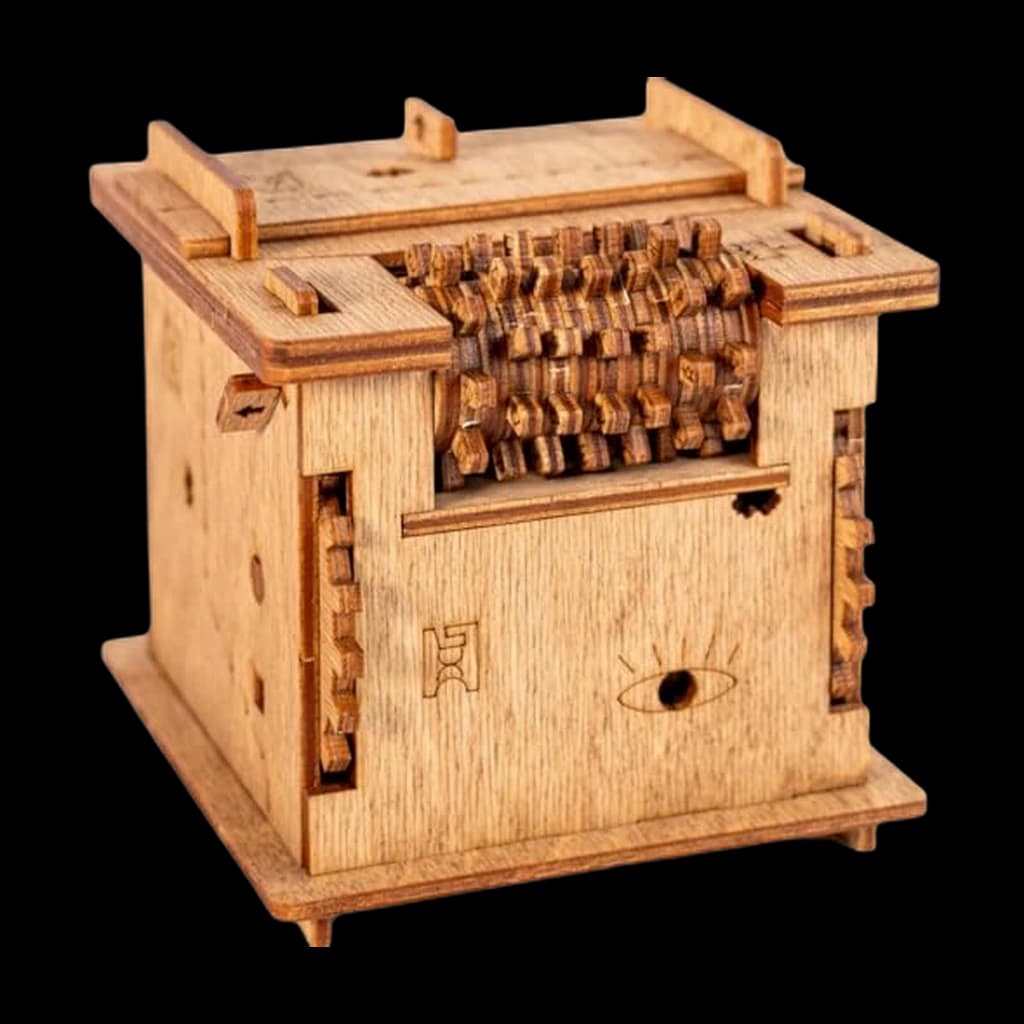
5. Cluebox: Schrödinger's Cat - the once-a-quarter long break
Check price on Amazon · List Price:This is not a five-minute desk fidget. It's a wooden escape-room-in-a-box that takes most adults a full Friday afternoon to crack; the paper-based boxes on the rest of the escape room games shelf are cheaper and finish faster. Why include it? Because every few months there's a day where you need a longer reset than a Pomodoro can give - a deploy is running, you're waiting on a stakeholder review. Cluebox is the puzzle for that day. After the solve, it becomes shelf decor you feel mildly smug about.
- Why it works at a desk: the build quality is genuinely shelf-worthy after the solve.
- Failure mode: single-use. Treat it as a one-time experience product, not a recurring fidget.
The desk these things sit on matters more than the puzzle
None of this works on a bad desk. If your monitor is too low, your chair has no lumbar, and the room light is fluorescent overhead, the 5-minute break is just a brief reprieve from physical discomfort and you'll go right back to scrolling. The full desk setup matters more than any single fidget.
WfhLounge maintains research-backed picks for monitors, ergonomic chairs, desk lamps, and headsets - the rest of the home office foundation. They use a 0-100 proprietary score that blends buyer sentiment, build quality, and category-specific dimensions. If your monitor is at the wrong height or your chair is causing the 3pm slump in the first place, fixing those is upstream of any fidget.
Shorthand: the desk should be invisible, meaning you're not aware of it during a flow state. The fidget should be present, meaning you notice it the moment you reach for it on a break.
When the problem isn't tactile - it's decisional
A fidget resets your body. But sometimes the 5pm slump isn't a need for tactile input - it's that you've decided to procrastinate by fidgeting because the next task is unclear, intimidating, or you've lost the thread of why it matters.
What a fidget actually fixes:
- Hands with nothing to do while a sentence forms
- Eyes that have been at one focal distance for an hour
- A break that would otherwise default to the phone
What it can't fix:
- Not knowing what the next task is
- A task that feels too big to start
- Losing the thread of why the work matters
If the second list sounds more familiar, the Brain Deck is the complementary tool. It's 52 paper cards covering the decisional and emotional side of work: a 3-step action protocol on the front, the science behind why it works on the back. Cards sort into five categories - "I Can't Start," "Where Did the Time Go," "I Can't Decide," "Everything Is Too Much," and "Starting Over." You pull one when stuck, do the 3-step action, get back to work.
Fidget plus Brain Deck is the full kit. A Hanayama in your hand resets the body. A pulled card resets the head.
Sources & Research
Worth the upgrade
Hanayama Cast Puzzle (Level 6) ($11.42) is our #1 pick here. If your budget stretches further, this is a pricier option in the same category — our researched verdict on it is below.
Cluebox: Schrödinger's Cat
At-home escape room in a wooden box.
Your next step