Key takeaways
- Useful fidgets are quiet, low-novelty, and usable without looking.
- Track work completion and classroom disruption, not whether the child likes the toy.
- For ADHD support, treat fidgets as one small accommodation, not a replacement for structured school strategies.
On this page
Quick Answer
Fidget toys can help some kids focus, but only when the object works like a quiet movement tool, not a toy that becomes the new center of attention.
The version that tends to help:
- Small, silent, low-novelty
- Usable without looking
The version that tends to distract:
- Spins, clicks, or flashes
- Invites tricks
- Pulls other kids into the game
The parent rule: run a one-week trial with one clear job. If the fidget helps the child keep eyes on work, hands calmer, and assignments moving, keep it. If the child watches the fidget, negotiates over it, shows it off, or completes less work, it failed.
Tool vs toy: the decision table

| Object type | Focus odds | Why |
|---|---|---|
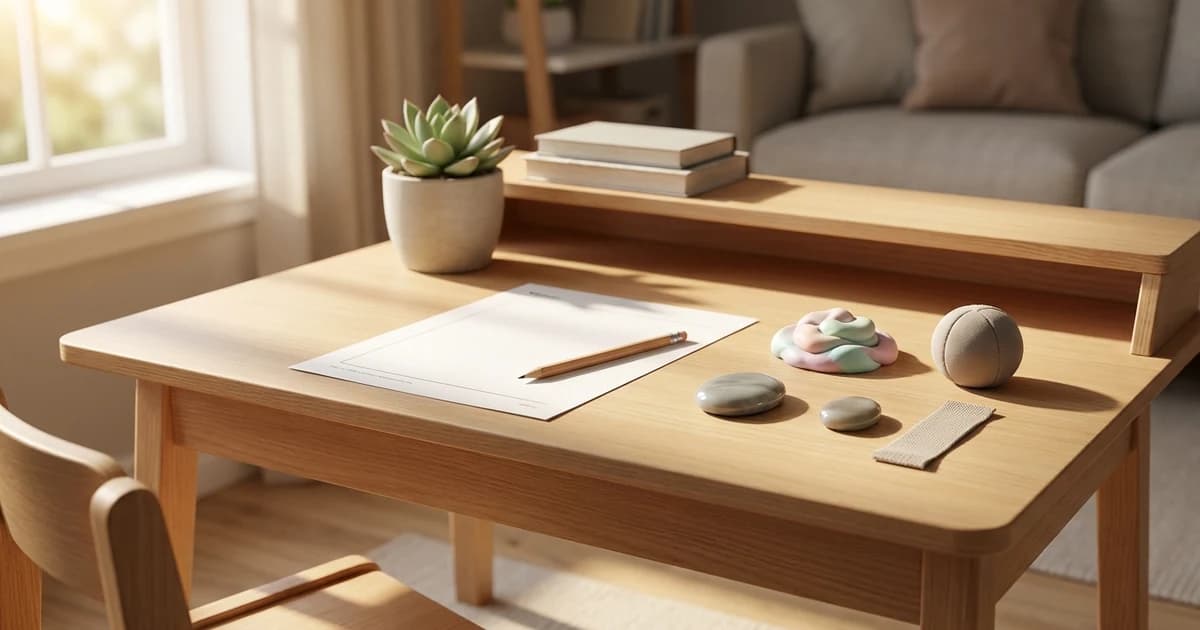
| Putty, worry stone, textured strip | Higher | Can fade into the background while the child listens or reads. |
| Quiet squeeze ball | Higher | Gives hand pressure without demanding visual attention. |
| Fidget cube | Mixed | Useful if silent; distracting if the buttons become the task. |
| Spinner | Mixed to low | Some ADHD students may benefit, but many kids watch it or perform tricks. |
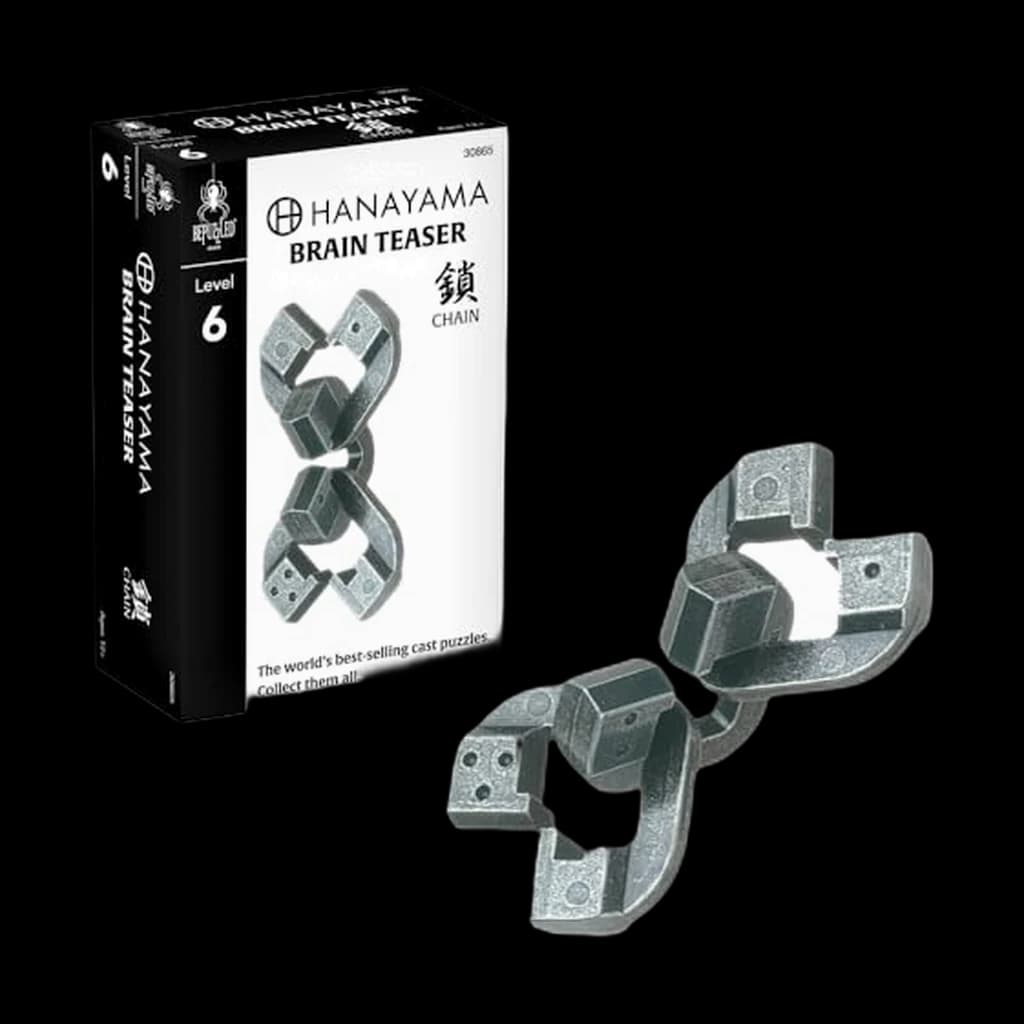
| Popper board, clicker, noisy chain | Low | Sound and novelty spill into the room. |
| Anything shared around the table | Very low | It has stopped being a self-regulation tool. |
What the evidence actually says
The research is mixed, not a blanket endorsement
A small classroom study of three second-grade students with ADHD found large increases in observed on-task behavior when a fidget spinner intervention was introduced with rules. But the same paper also notes mixed prior evidence: some fidget studies show better on-task behavior without better work output, and some spinner research found worse academic performance in general classroom settings.
Fidgeting and fidget toys are not the same claim
CHADD makes the same practical distinction parents need: fidgeting itself can support attention for some people, but fidget toys are not automatically helpful. Quiet tools that fade into the background are different from visually interesting toys that capture attention.
CDC guidance for ADHD in schools also points families back toward structured supports: behavioral classroom management, organizational training, accommodations, and coordination among families, educators, and healthcare providers.
Keep this in proportion: a fidget can be one small accommodation. It is not the plan.
The one-week test
Use this before buying a drawer full of gadgets.
- Pick one tool. Choose the quietest, least interesting option first.
- Define the job. For example: keep hands busy during reading, reduce chair-wiggling during math, or make homework start less painful.
- Set rules. Hands only, eyes stay on work or teacher, no sharing, no tricks, no noise.
- Track the outcome. Did work completion, calm sitting, or listening improve? Do not count “the child liked it” as success.
- Retire fast. If it becomes a negotiation object, take it out of the system for a week.
Good signs and bad signs
| Keep it if... | Remove it if... |
|---|---|
| The child uses it without looking. | The child watches it. |
| Work completion stays the same or improves. | Work slows down. |
| It reduces disruptive movement. | It creates new noise or social drama. |
| The teacher barely notices it. | Other kids ask for turns. |
| The child can stop when asked. | The child argues when it is removed. |
What to buy, if you buy anything
Start boring. That is the whole point. A smooth worry stone, kneadable putty, a textured pencil grip, or a silent squeeze object has a better chance of staying in the background than a gadget designed to be watched.
The desk version of the same rule
For older kids and adults, the best fidget is the one you forget you are using. If you want a more hobbyist version, CurioRank's desk fidgets and brain teasers guide covers the category. For kids, the stricter filter is classroom impact: silent, private, and easy to remove.
Parent verdict
Do not ask, "Do fidget toys work?" Ask, "Does this object help this child do this task with less disruption?" That is a testable question.
A fidget that works for homework may fail in class. A tool that helps an ADHD child may distract a sibling. The win is not owning the right gadget; it is finding the smallest support that helps the child stay with the task.
Your next step