
Quick Answer
Sleeve the games you shuffle hard — deckbuilders, TCGs, social deduction — and skip the rest. Look your game's sleeve size up on its BoardGameGeek page (the Sleeves tab) rather than trusting brand size names, which aren't standardized. For standard 63×88 mm cards, 120-micron Dragon Shield Matte is the premium default; 40–60 micron budget sleeves are the right call for bulk-sleeving a collection. Expect a sleeved deck to grow by roughly a third and possibly outgrow its insert.
Key takeaways
- Sleeve size names are not standardized: sleeves sold as 'Standard European' span 59×92 to 62×96 mm across brands, so look your game up on its BoardGameGeek Sleeves tab instead of trusting a name.
- Sleeving is worth it for heavily shuffled decks (deckbuilders, TCGs, social deduction) and for decks about to absorb expansion cards; it's a waste on cheap, low-shuffle games.
- Thickness is the real product choice: the same makers sell 40–60 micron budget sleeves and 90–120 micron premium sleeves in identical sizes, and pack counts halve as microns rise — compare cost per sleeve.
- A 120-micron sleeve adds real bulk — Dragon Shield's own 100-sleeve box holds only about 75 sleeved cards — which is why 'the deck no longer fits the insert' is the most common sleeving regret.
- Matte backs shuffle better because they're less slippery; 'archival safe / PVC-free' is a materials claim about polypropylene, not a durability promise.
On this page
Side-by-side comparison
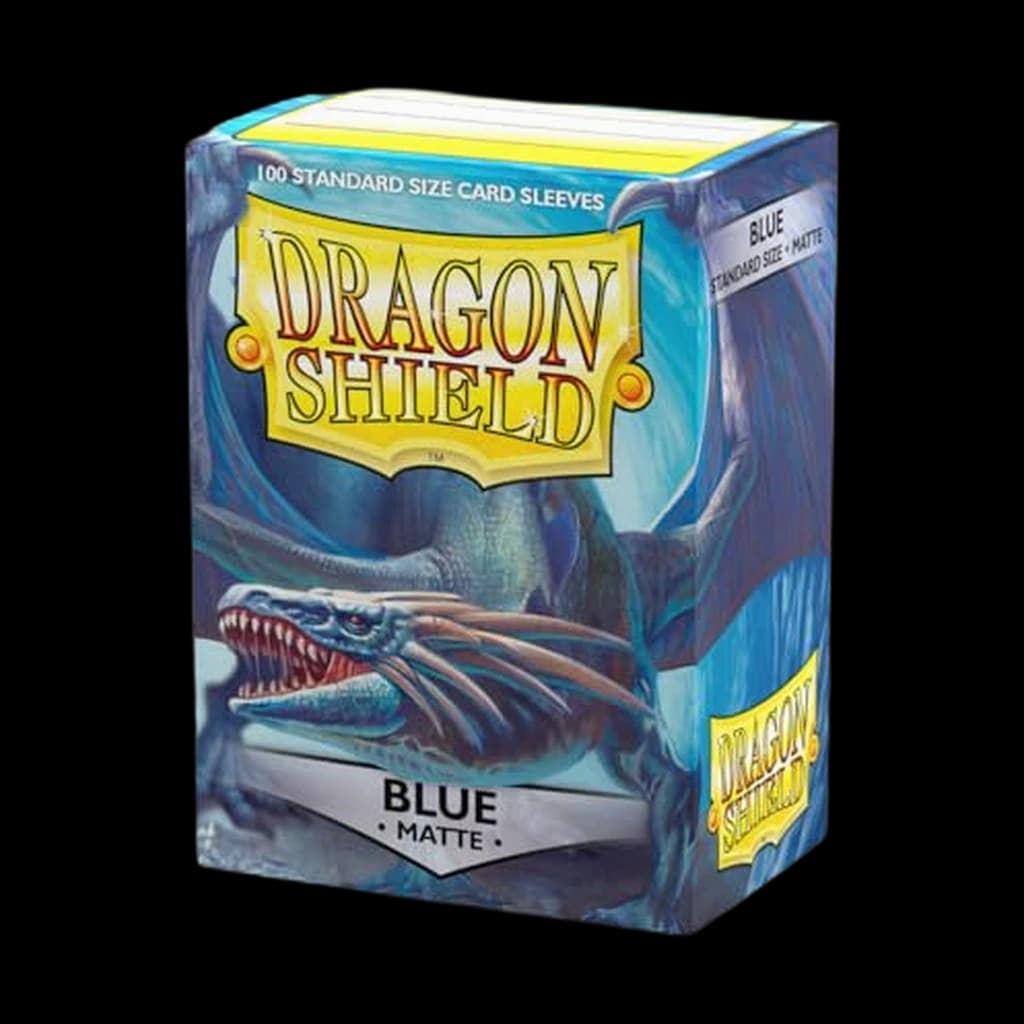
The default deck-protection sleeve — matte, durable, and the brand r/boardgames reaches for first.
- Count
- 100
- Size
- Standard 63.5x88mm
- Finish
- Matte
- Thickness
- Premium
Best evidence
Durable matte finish shuffles well
Main trade-off
Standard size won't fit mini/tarot cards
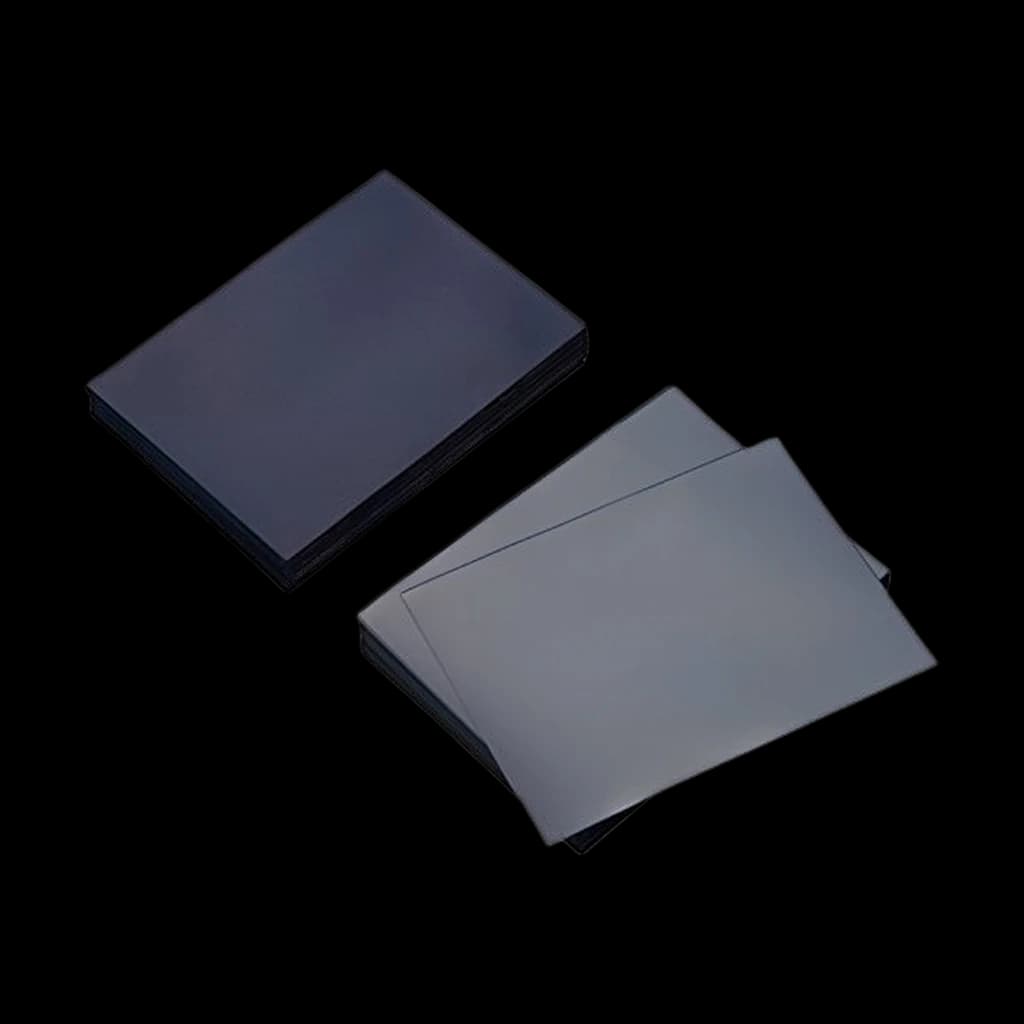
The other safe sleeve brand — KMC's hyper-matte finish is a favorite for heavy shufflers on a budget.
- Count
- 80
- Size
- Standard
- Finish
- Hyper Matte
- Thickness
- Standard
Best evidence
Silky matte shuffle feel
Main trade-off
Fewer colors than Dragon Shield
* Prices are approximate. Tap Buy to see current pricing on Amazon.
| Comparison field | #1Dragon Shield Matte Standard Size Card Sleeves (100 ct) Owner rating | #2KMC Hyper Mat Standard Card Sleeves (80 ct) Owner rating |
|---|---|---|
 |  | |
| CurioRank | ||
| Verdict | The default deck-protection sleeve — matte, durable, and the brand r/boardgames reaches for first. | The other safe sleeve brand — KMC's hyper-matte finish is a favorite for heavy shufflers on a budget. |
| Price | ||
| Count | 100 | 80 |
| Size | Standard 63.5x88mm | Standard |
| Finish | Matte | Hyper Matte |
| Thickness | Premium | Standard |
| Colors | 30+ options | - |
| Origin | - | Japan |
| Buyer sentiment | Durability Color Shufflability Texture Buyers praise durability, color, shufflability and texture. Based on 1,974 user mentions | Design Durability Shufflability Texture Color Buyers praise design, durability, shufflability and texture. Some flag color. Based on 90 user mentions |
| Pros |
|
|
| Cons |
|
|
* Prices are approximate. Click Buy to see current pricing on Amazon.
Dragon Shield Matte Standard Size Card Sleeves (100 ct)
- Durable matte finish shuffles well
- Consistent, true-to-size cut
- Huge color selection
The default premium answer for standard-size cards: 120 micron, PVC-free, matte textured back for clean riffle shuffling, 100 to a box. The brand community threads name most for hand feel.
When sleeving is worth it (and when it isn't)
The r/boardgames consensus on this is unusually settled: sleeve the games whose cards are shuffled hard and handled constantly — deckbuilders, LCGs and TCGs, engine games with a fixed starting hand you riffle every play, and social-deduction games, where one bent corner leaks information. Skip the cheap, low-shuffle games whose decks you could replace for less than the sleeves would cost.
There's a second trigger people discover too late: expansions. The moment new cards get shuffled into an old deck, the wear difference between them becomes a marking problem — sleeving is how you erase it. If a game you love has expansions coming, sleeve it before the base deck wears in.
The sizing trap: names aren't specifications
Here is the thing nobody tells you before your first wrong purchase: sleeve size names are brand-specific. BoardGameGeek's archived sleeve-size list records sleeves sold as "Standard European" at 59×92, 61×94, 62×94 and 62×96 mm. Ultra PRO's "Mini European" is 44×68 mm while Mayday's "Mini Euro" is 45×68 — a single millimeter that decides whether the sleeve fits.
Two rules cut through it:
- Look your game up, don't guess. Every BoardGameGeek game page now has a Sleeves tab (under "More") — BGG retired the old community geeklist in 2023 and moved per-game sleeve data into the database itself. That lookup is the correct first step for any game.
- Match card size, not sleeve size. A sleeve is always bigger than its card — Ultra PRO's "standard" 66×91 mm sleeve holds a 63×88 mm card. When you measure, measure the card in millimeters and buy a sleeve whose stated card size is at or just above it.
One comfort: the most common size by far is the standard TCG card — 63×88 mm (2.5 × 3.5 in, which is exactly 63.5 mm; different makers round differently). If you play Magic, Lorcana, Pokémon or most modern deckbuilders, this is your size.
The thickness trade: 40 microns vs 120 microns
Sleeve thickness is measured in microns, and the same manufacturers sell the same size at both ends of the range — so this is a real choice, not a quality tier. Mayday's standard 63.5×88 sleeve is 40 micron; its premium is 90. Sleeve Kings sells a 60-micron 110-pack and a 100-micron 55-pack of the identical size. Notice the pattern: the count halves as the thickness rises, so always compare cost per sleeve, not per pack.
| Sleeve | Thickness | Count | Finish | The job it's for |
|---|---|---|---|---|
| Ultra PRO penny sleeves | 45 micron | 100 | Clear, soft | Storage protection, inner layer |
| Mayday Standard | 40 micron | 100 | Clear | Sleeve a whole collection cheaply |
| Sleeve Kings standard | 60 micron | 110 | Clear | The bulk-sleeving sweet spot |
| Mayday Premium / Sleeve Kings Premium | 90–100 micron | 50–55 | Clear | Heavy-shuffle board games |
| KMC Hyper Mat | 120 micron | 80 | Matte back | Tournament TCG play |
| Dragon Shield Matte | 120 micron | 100 | Matte | The default premium answer |
Thin sleeves add almost no bulk and shuffle close to bare cards; thick sleeves are stiffer, survive years of riffle shuffling, and visibly fatten the deck. How much? Dragon Shield's own 100-count box holds only about 75 sleeved cards — call it a third more volume at 120 microns. Which leads to the most common sleeving regret on r/boardgames: the sleeved deck no longer fits the box insert. The accepted workarounds are unglamorous — ditch the insert for bags or deck boxes, trim the tray, or buy an aftermarket organizer — but go in knowing it.
Matte vs glossy, and what "archival safe" means
Matte wins the community vote for one mechanical reason: the textured back is less slippery, so decks riffle cleanly and don't glue themselves together in tall stacks. KMC markets the Hyper Mat's low-gloss textured back specifically for tournament shuffling. The trade is cosmetic — matte dulls artwork slightly, gloss shows it best but glares under table light.
As for the "archival safe, acid-free, PVC-free" line on every box: that's a materials claim — all the major brands use polypropylene — not a durability promise. It means the sleeve won't chemically damage the card over years of storage; it says nothing about surviving shuffle abuse. Thickness does that.
What to actually buy
For a standard-size game you shuffle a lot, the boring answer is the right one: Dragon Shield Matte 100s — 120-micron polypropylene with the shuffle-friendly matte back, and the brand r/boardgames and r/magicTCG name most for hand feel. The KMC Hyper Mat is the tournament-table alternative with the same 120-micron build in an 80-count box — mind the count when a deck plus expansions passes 80 cards. For sleeving a big collection wholesale, drop to 40–60 micron budget sleeves and accept the thinner feel; several budget-brand packs draw cut-consistency complaints in community threads, so buy one pack and check it before buying ten.
Count math before checkout: a 100-card deck with expansions needs more than one 80-count pack, and mixed sleeve batches from different brands feel different in the shuffle — buy the whole game's worth from one line. Sleeves live in our board game accessories category alongside the deck boxes you'll want once the insert stops fitting; and if the deck you're protecting is a kid-height game, our board game storage guide covers the rest of collection care.
Common questions
What size sleeves does my board game need?
Are 63×88 mm and 63.5×88 mm sleeves the same?
Are penny sleeves enough protection?
Should I get matte or glossy sleeves?
How much thicker does a sleeved deck get?
Do I need 100+ micron sleeves for an ordinary board game?
Research Sources
- Dragon Shield — Matte sleeves (63×88 mm cards, 120 micron, 100 ct; box holds ~75 sleeved cards)
- KMC — Hyper Mat 80 ct (66×92 mm outer, 0.12 mm thick, textured matte back for tournament shuffling)
- Ultra PRO support — sleeve material thicknesses by line (the micron table)
- Ultra PRO support — card size vs sleeve size explained (66×91 sleeve holds 63×88 card)
- Mayday Games — standard vs premium 63.5×88 sleeves (40 vs 90 micron)
- Sleeve Kings — 63.5×88 sleeves in 60-micron 110-pack and 100-micron 55-pack
- BoardGameGeek — archived card-sleeve-sizes geeklist (retired 2023; documents the Standard European size spread)
- r/boardgames — 'is it worth sleeving all my games' thread (the shuffle-frequency consensus)