Key takeaways
- Count the teeth first — a real Labubu has exactly 9, evenly spaced. Wrong count, or teeth crammed together with no gap from the mouth line, means a fake.
- A working QR code isn't proof on its own. Scammers put fake figures ('Lafufus') in real boxes, so verify the figure — teeth, paint, foot stamp — not just the packaging.
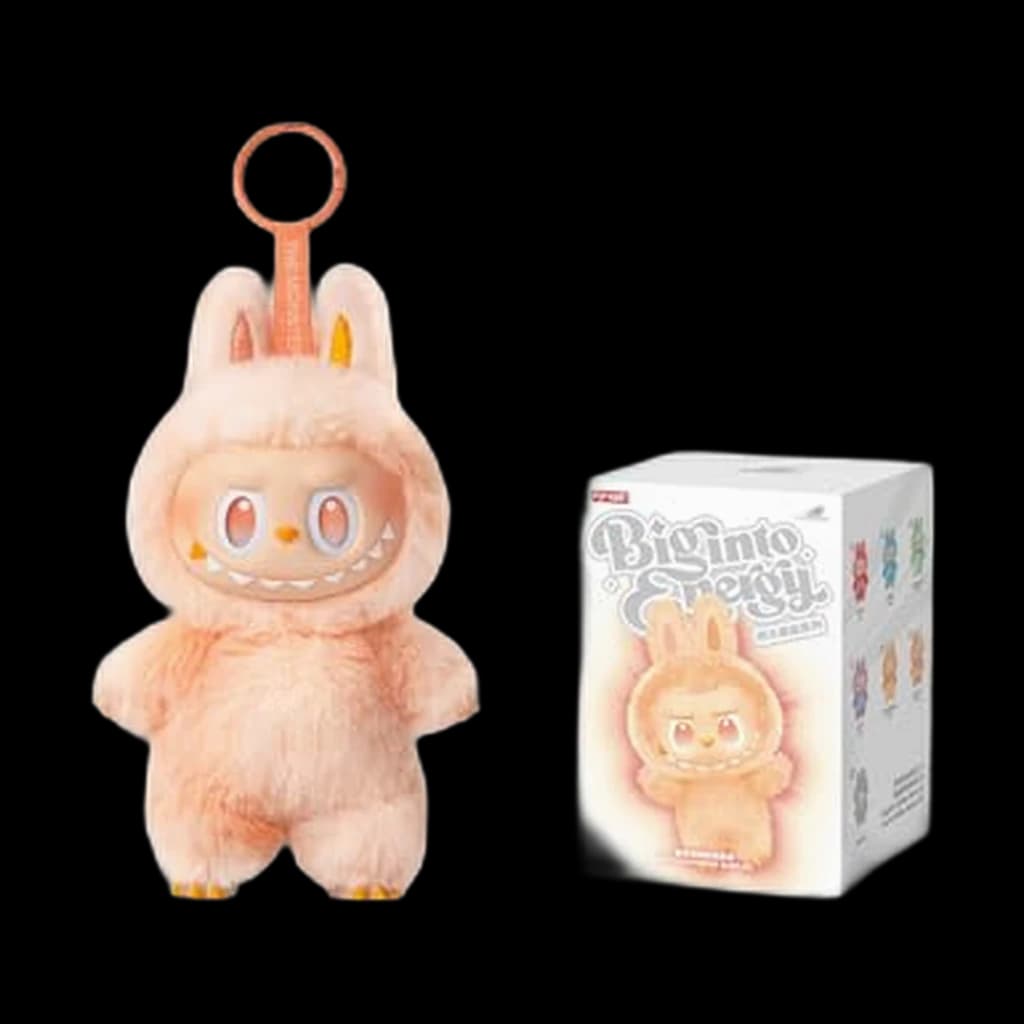
- Real boxes are matte and muted; fakes are shiny and over-vibrant. Pop Mart's genuine paint is clean — any chipping or smearing on the eyes, teeth, or nose is a red flag.
- Buy from Pop Mart or an authorized seller. A too-cheap price on a random listing is the loudest fake signal of all; most Lafufus change hands on individual resale.
On this page
Counterfeit Labubus — collectors call them "Lafufus" — now flood every marketplace and street stall, and the good ones are convincing enough to fool a quick glance. The difference between a genuine Pop Mart figure and a $6 knockoff isn't luck; it's a short list of physical tells that fakes almost always get wrong. Here's the checklist.
The fastest tells, side by side
Run through these before you buy. Any single fail is reason enough to walk away.
| Check | Real Labubu | Fake ("Lafufu") |
|---|---|---|
| Teeth | Exactly 9 pointy teeth, evenly spaced with a clear gap from the mouth line | Wrong count, or 9 teeth crammed together with no spacing |
| Box finish | Matte, smooth, muted/faint colors | Shiny, textured, over-vibrant colors |
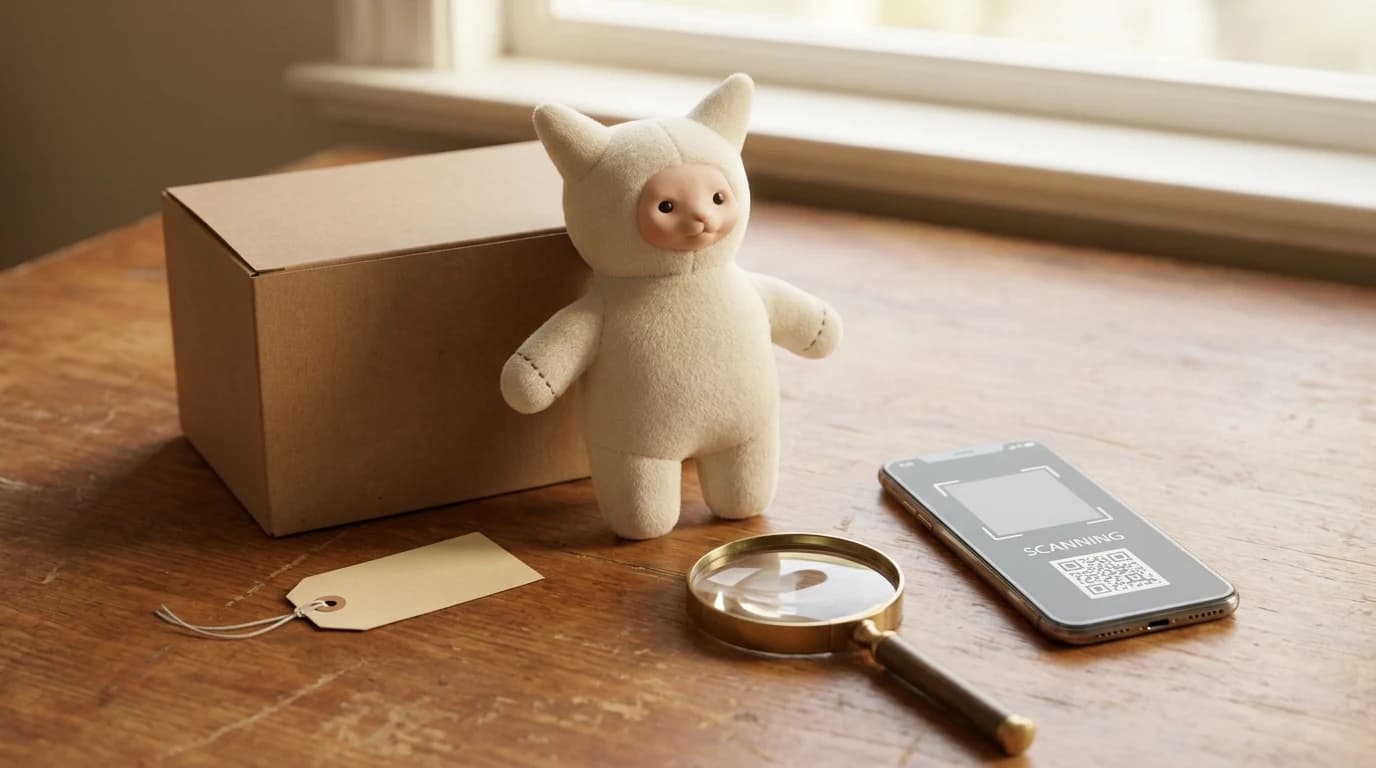
| QR code | Scans to popmart.com verification page; sharp and in focus | Missing, blurry, broken, or redirects to a look-alike site |
| Face & paint | Clean sculpting, peachy face, ears angled slightly inward | Sloppy or chipping paint on eyes, teeth, nose |
| Foot / tag | Engraved Pop Mart tag + artist name on the foot (2024+); UV-only stamp on newer models | No engraving, no artist name, no UV mark |
| Tag text | Correct spelling, clean stitching, artist attribution | Spelling mistakes, uneven stitching, missing attribution |
Count the teeth first — it's the hardest tell to fake
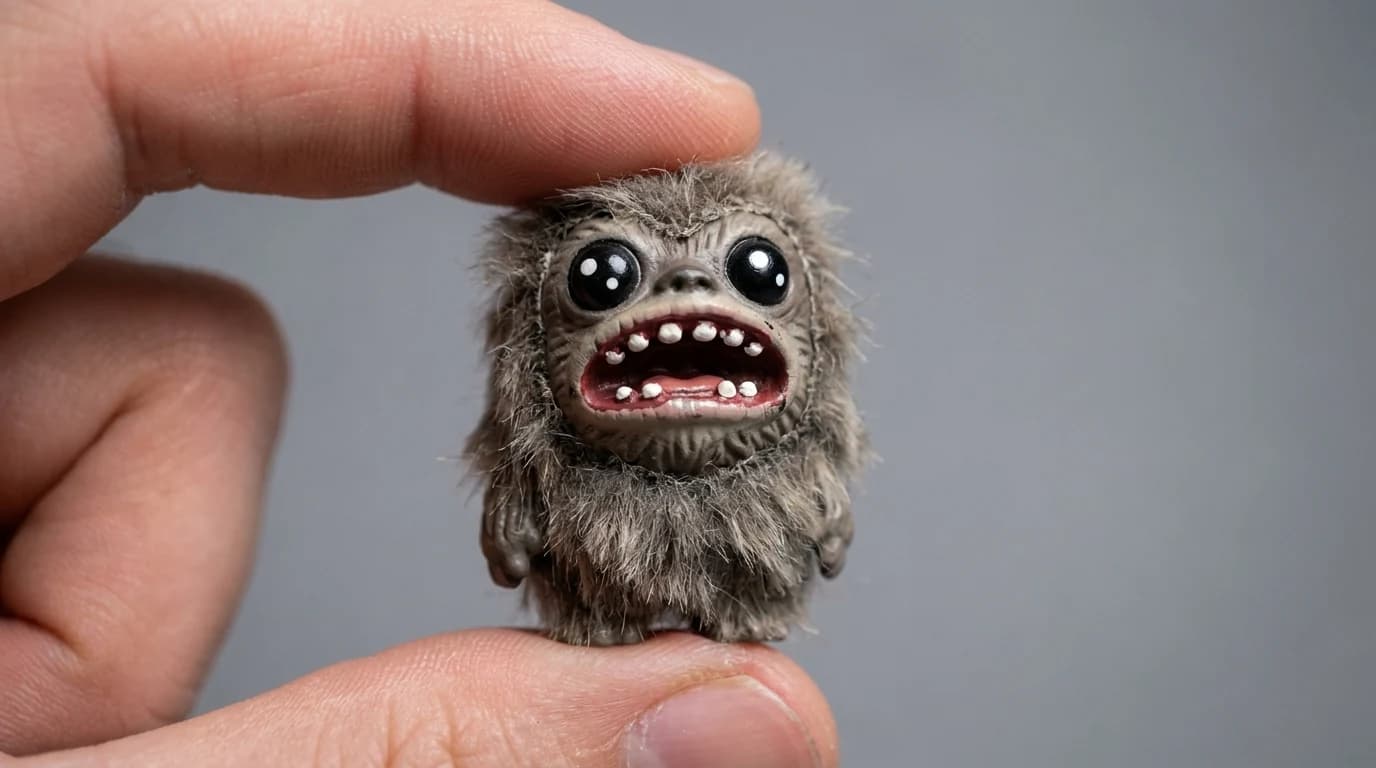
Every genuine Labubu has exactly nine pointy teeth, and Pop Mart confirmed the same detail to Good Morning America when they authenticated a real figure against a Lafufu.
Nine teeth, evenly spaced
Counterfeiters get the count wrong constantly, and even the ones that manage nine usually paint them as a connected white blob with no gap between the teeth and the blue line of the mouth. It takes three seconds and it's the single most reliable check.
Scan the QR code — but don't stop there
Since 2024, Pop Mart has stepped up its security features:
- An engraved Pop Mart tag
- The artist's name on the figure's foot
- A QR code on the tag linking to Pop Mart's official site, where you enter a confirmation number to verify the toy
A scanning code proves the box, not the toy
Fashion-authentication expert Daniel Gbenle told wikiHow that a fraudulent code will lag, redirect to a look-alike site, or simply be broken.
The catch most guides miss: a QR code that scans correctly does not prove the figure in your hands is real. Scammers routinely put a Lafufu inside a genuine, previously-used Labubu box — the box passes while the toy is fake.
Always verify the figure (teeth, paint, foot stamp), not just the packaging. One older wrinkle: the earliest Labubu models shipped before the QR system existed, so a missing code isn't automatically damning on a vintage piece — fall back on the physical tells.
The box and the paint
What a genuine box looks like:
- Matte finish, smooth feel, muted and almost faint colors
- Rounded corners on the little arrows of the recycling symbol on the back
- Clean printing with no over-saturation
What a counterfeit box gives away:
- Shiny, textured stock in cartoonishly vibrant colors
- Square corners on those recycling-symbol arrows
- Spelling and stitching errors on the tag
Paint quality is where cheap moulds lose
On the figure itself, Pop Mart's whole reputation rests on clean sculpting and meticulous paint — so any chipping, smearing, or fuzzy paint lines on the eyes, teeth, or nose is an instant red flag. Genuine faces read peachy and pale with ears that angle slightly inward.
Where you buy matters more than the price
The cleanest way to never see a Lafufu is to buy from Pop Mart directly or an authorized seller.
Loudest signal of all: a price that seems too good. A "Labubu" for a few dollars on a random marketplace listing or a street cart is almost never real.
Authorized sellers are the only real shortcut
Resale from individuals is where most fakes change hands, so if you're paying secondary-market prices, run the full checklist before money moves.
Once you can tell a real one from a Lafufu, the next question is which series are actually worth collecting — our designer vinyl and blind-box rankings break down Labubu, Skullpanda, and the rest by resale liquidity and chase odds.
A note for parents
Kids rarely care whether a figure is authentic — they care that it's the character they wanted. That's fine for a toy that stays a toy.
It only matters if you're paying collector prices or hoping the piece holds value: a Lafufu is worth nothing on resale. Decide which situation you're in before you pay, and check the teeth either way.
Sources
Your next step