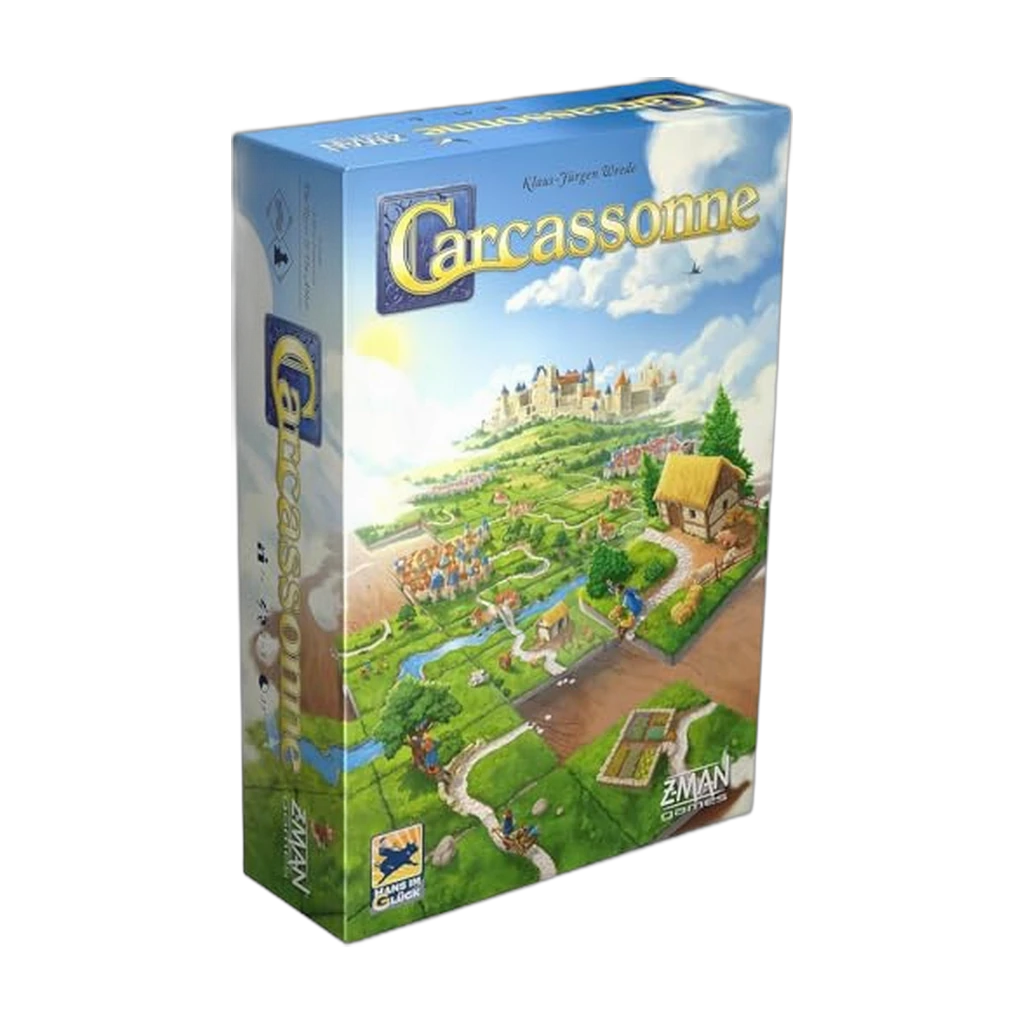
Board Games - Gateway & FamilyAges 8+List Price: $41.99$31.9924% off
Tile-laying meditation. Brilliant at 2 players.
View on Amazon →Ten is the sweet spot of gift-giving — old enough for real strategy games, patient enough for a 200-piece model kit, and still curious enough that a Rubik's Cube or a chemistry-style STEM kit lands rather than gathers dust. The picks below filter our 40-category catalog for age fit, then rank by CurioRank.
Ten-year-olds are also at the cliff edge of screen-time tradeoffs. The American Academy of Pediatrics' 2026 media guidance recommends ≤2 hours of recreational screen time for children 8–12, and the families we hear from in r/Parenting and r/raisingkids consistently say the gifts that get the most use are tactile, physical, and either solo-replayable or family-replayable — not single-session novelties. Every pick on this list passes that bar.
We've deliberately excluded a few categories you'll see on competitor lists: licensed-IP plush (boring within a week at this age), generic art supply sets (parents already have the basics), and any 'gift card' style products. This guide is for the gift-giver who wants to land — not the one trying to hedge.
| If | Pick | Why |
|---|---|---|
| They've never played a real board game | Ticket to Ride | Simplest gateway rules in the catalog; 45 minutes; CurioRank 86. |
| They already love Pokémon cards | Pokémon TCG Scarlet & Violet ETB | Real entry to the actual game (not just collecting); CurioRank 81. |
| They want a hands-on STEM project | Snap Circuits Jr. SC-100 | 100 projects, no soldering, CurioRank 89. |
| They're an only child / need solo play | Rubik's Cube + Hanayama Cast | Both replayable, both under $20, both survive a backpack. |
| Budget under $20 | Tenzi Party Pack Dice | Six color sets, scales to any number of players, CurioRank 86. |
| Gift-from-grandparent (heirloom feel) | Bandai HG Barbatos Lupus Rex | First serious model kit; teaches patience; under $25 and looks premium. |
Tile-laying meditation. Brilliant at 2 players.
View on Amazon →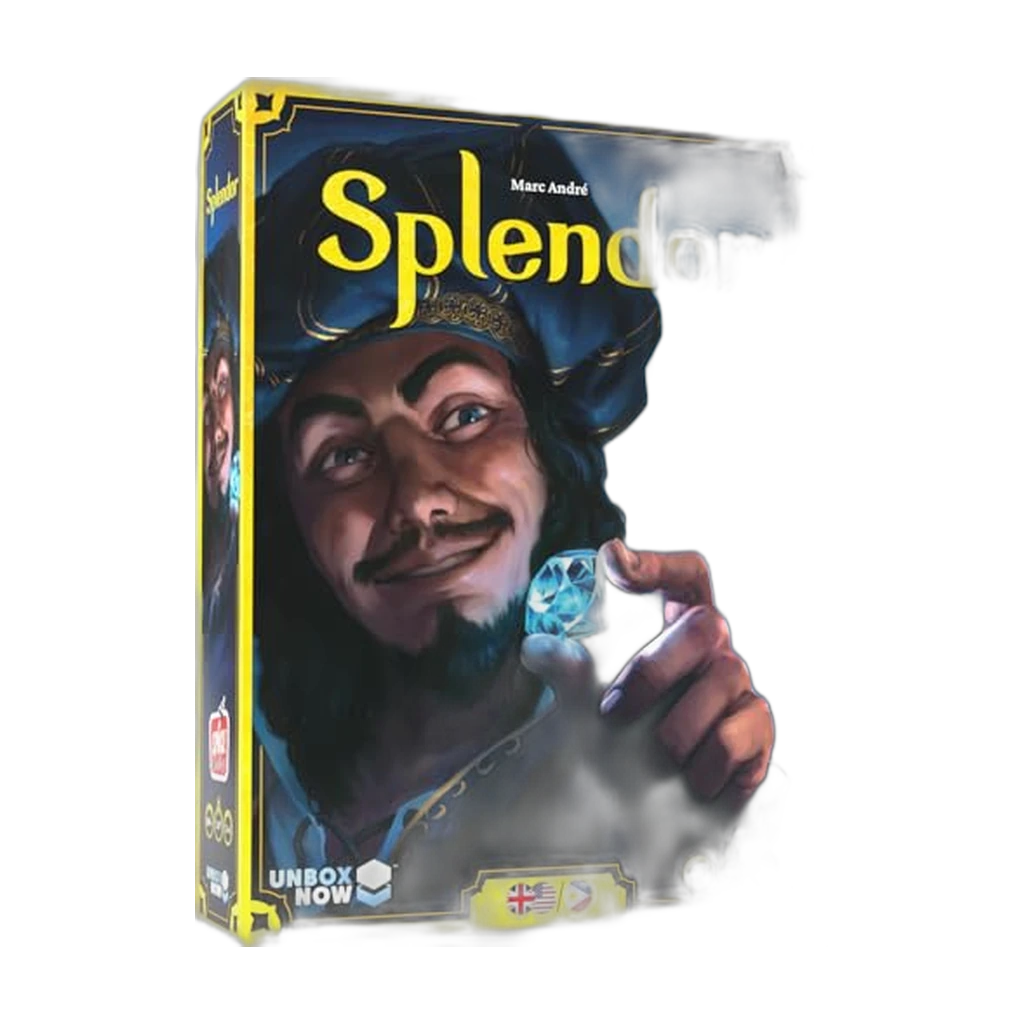
30-minute engine builder with the most satisfying poker chips in board gaming.
View on Amazon →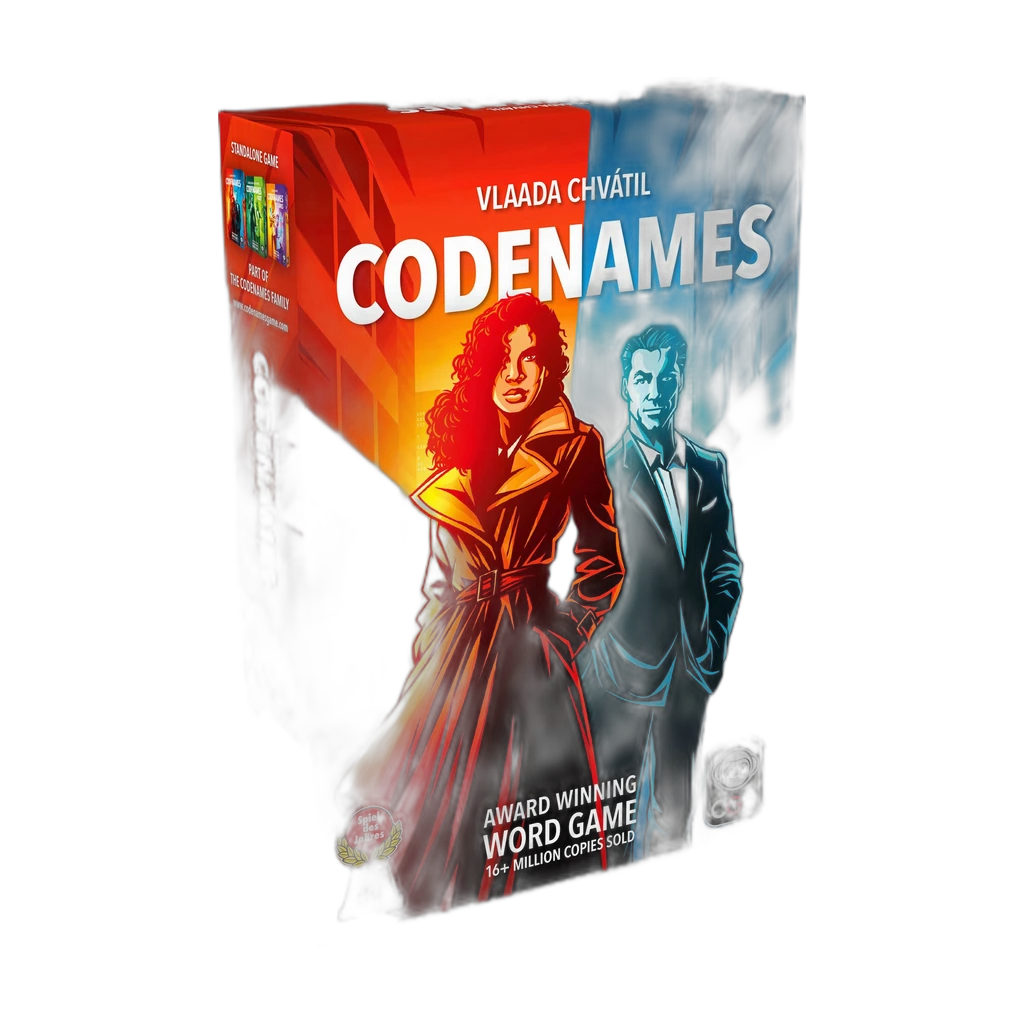
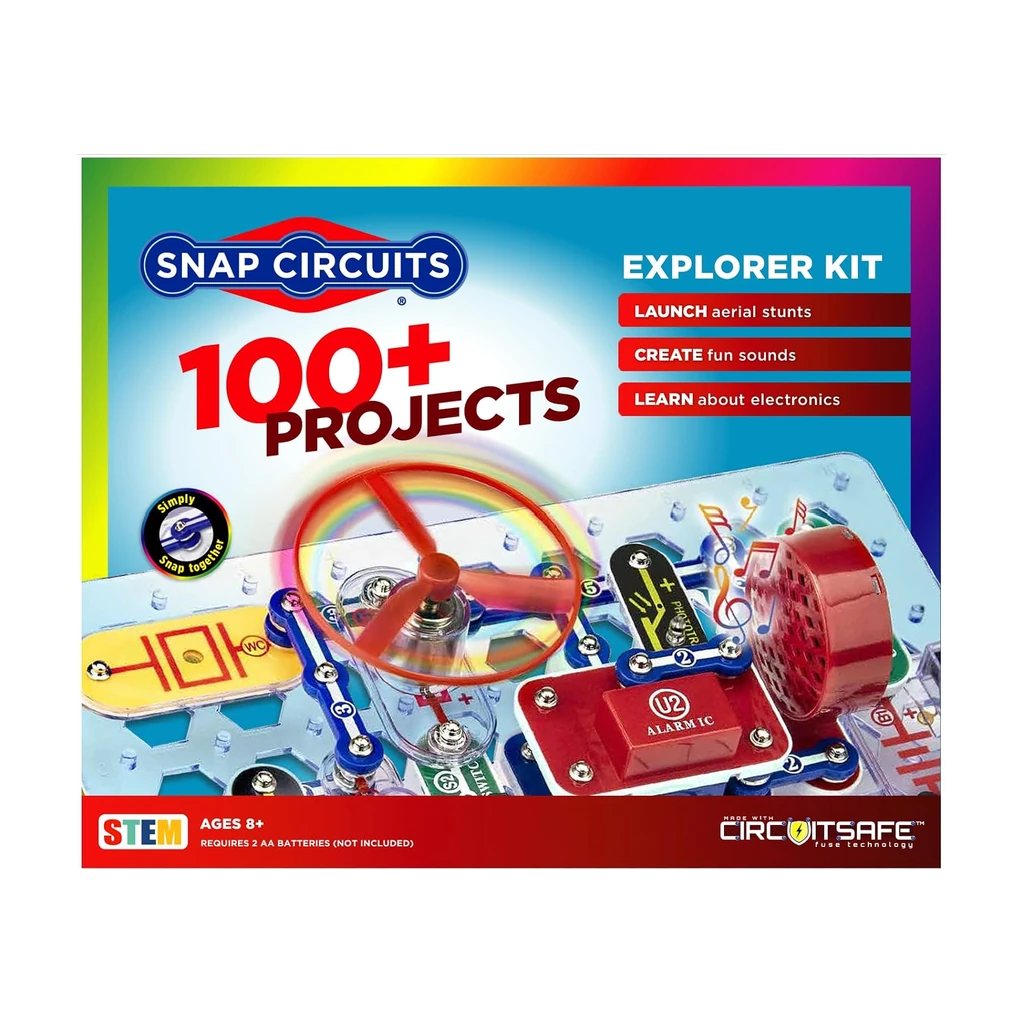
The de facto first electronics kit for two decades.
View on Amazon →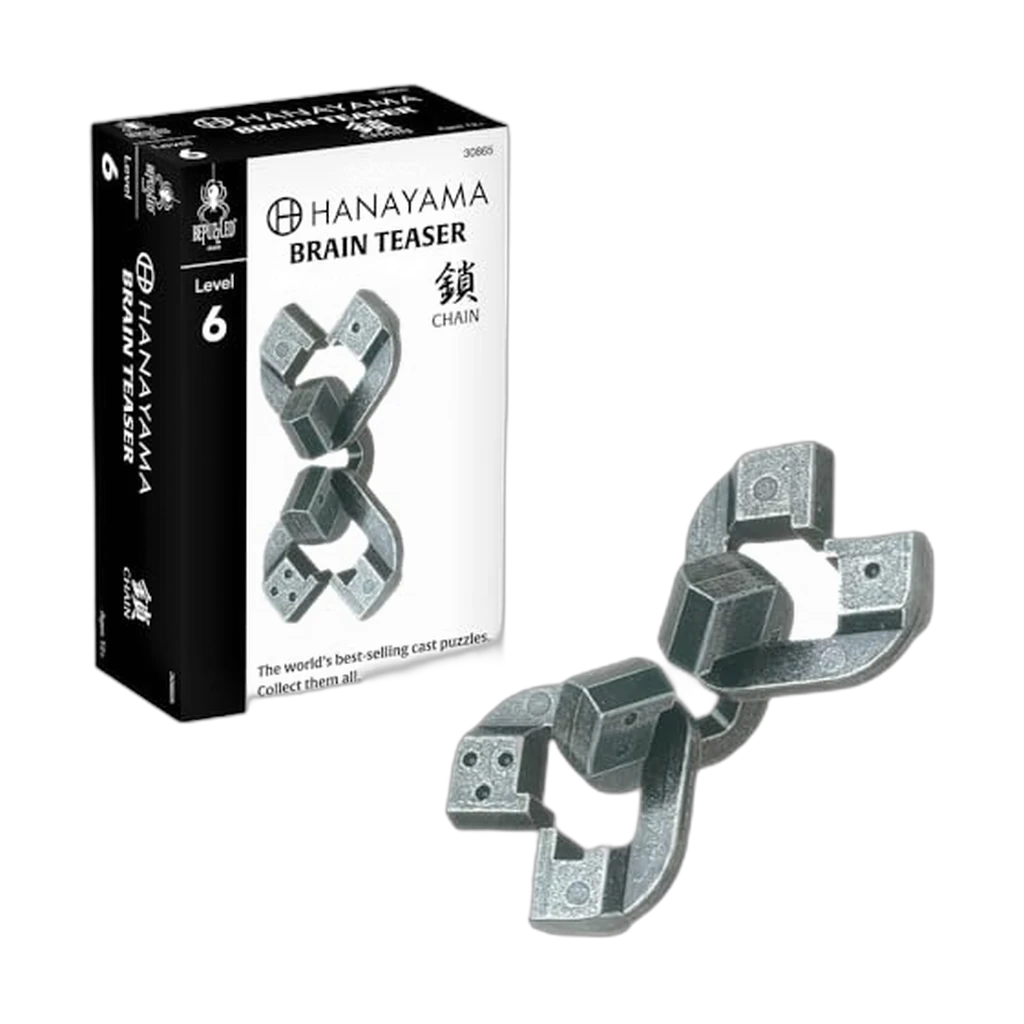
Hours to solve. Solid metal. The iconic desk-puzzle.
View on Amazon →
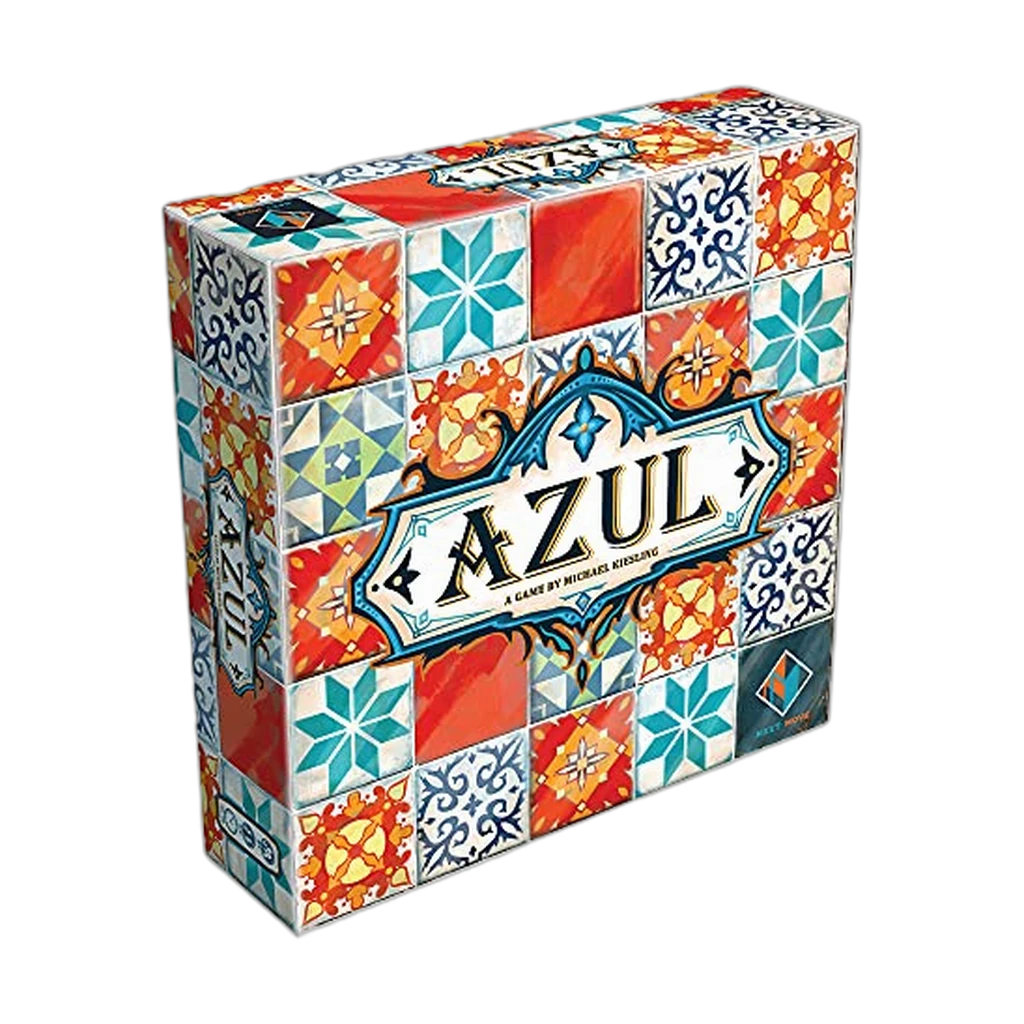
Stunning Portuguese tile-laying. Beautiful enough for the coffee table.
View on Amazon →
The best big-group gateway - a charming draft that scales to eight and teaches in the time it takes to shuffle.
View on Amazon →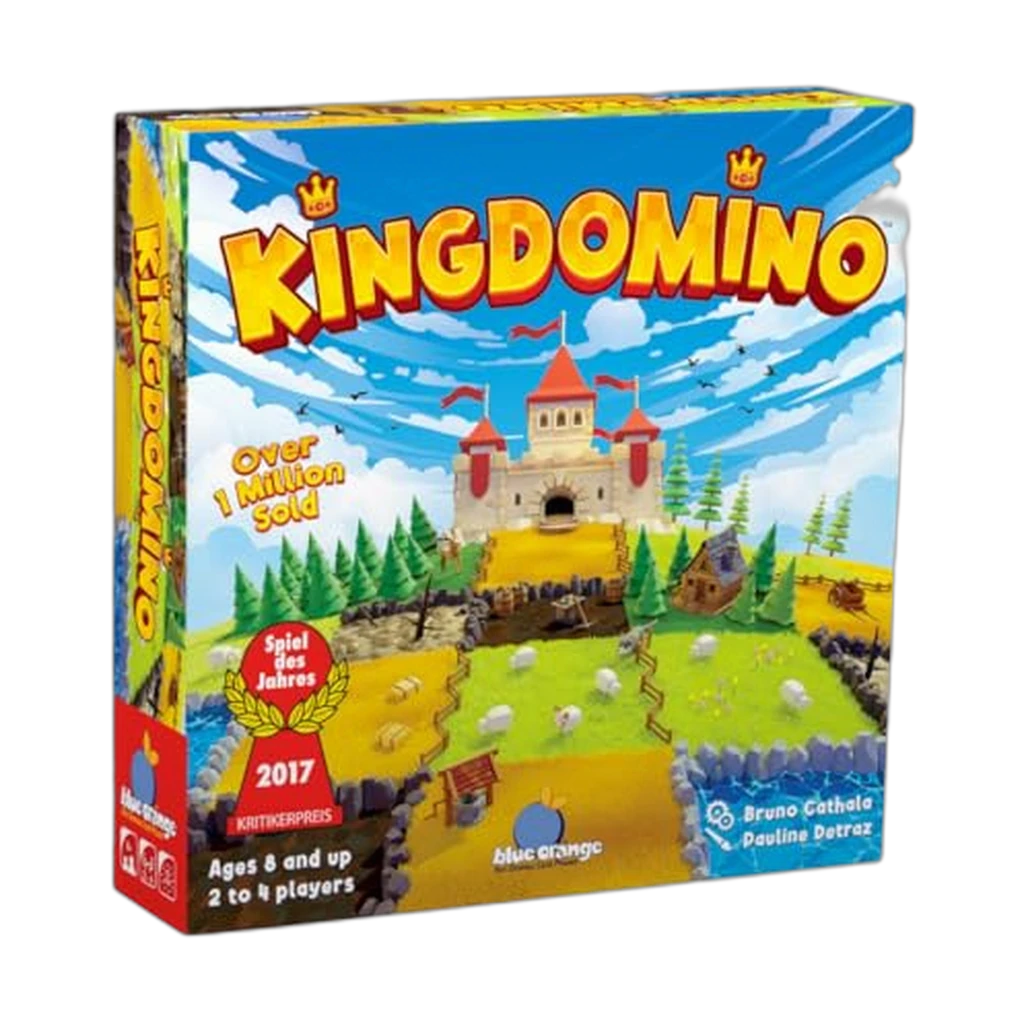
Dominoes meets kingdom-building - the shortest, most kid-proof Spiel des Jahres winner in the gateway tier.
See buying options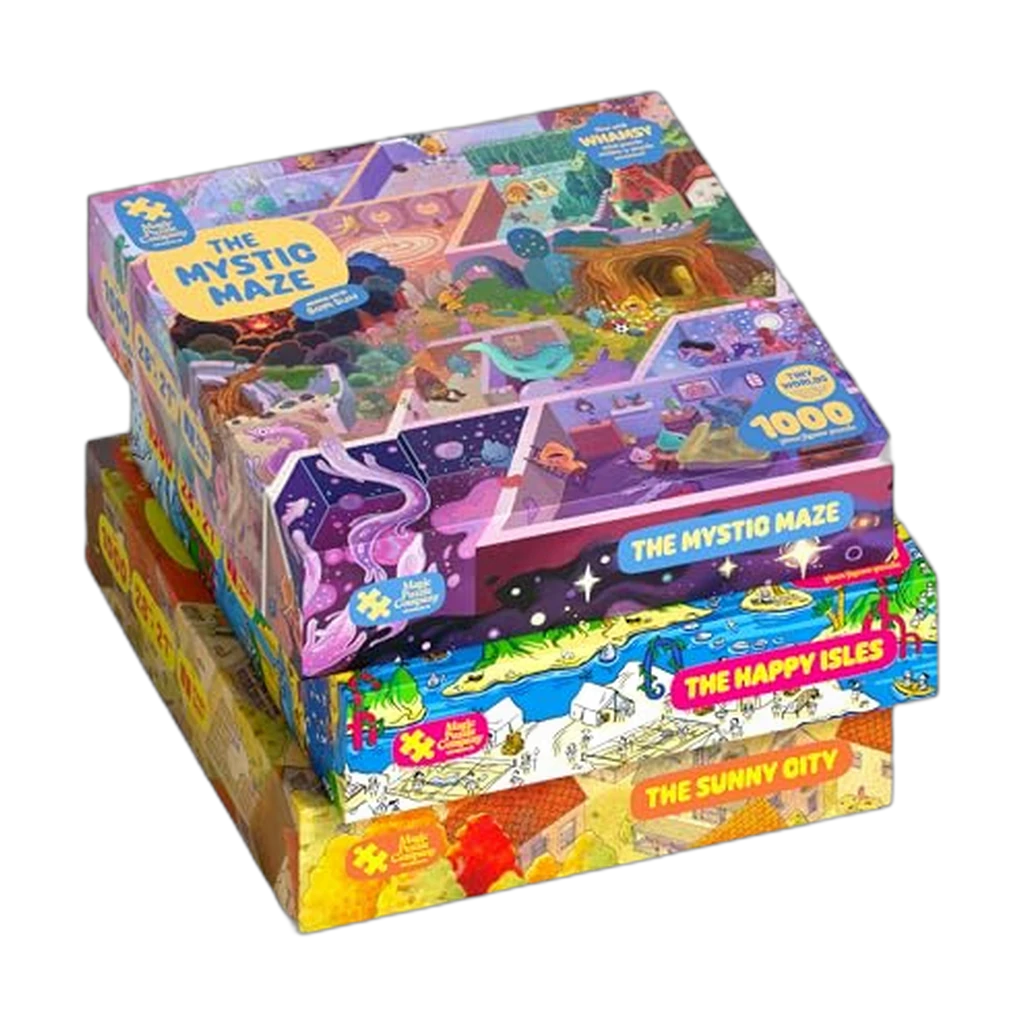
Final image differs from box. Narrative twist puzzles.
View on Amazon →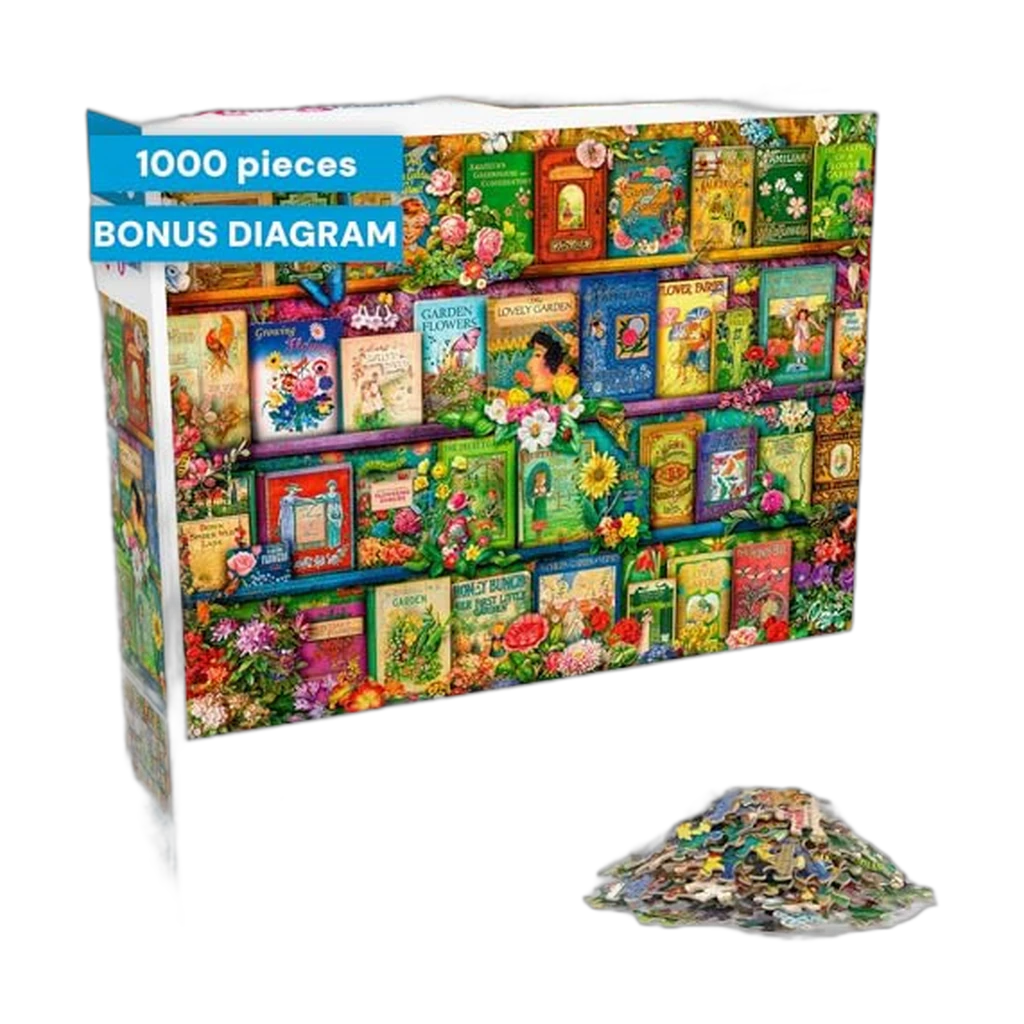
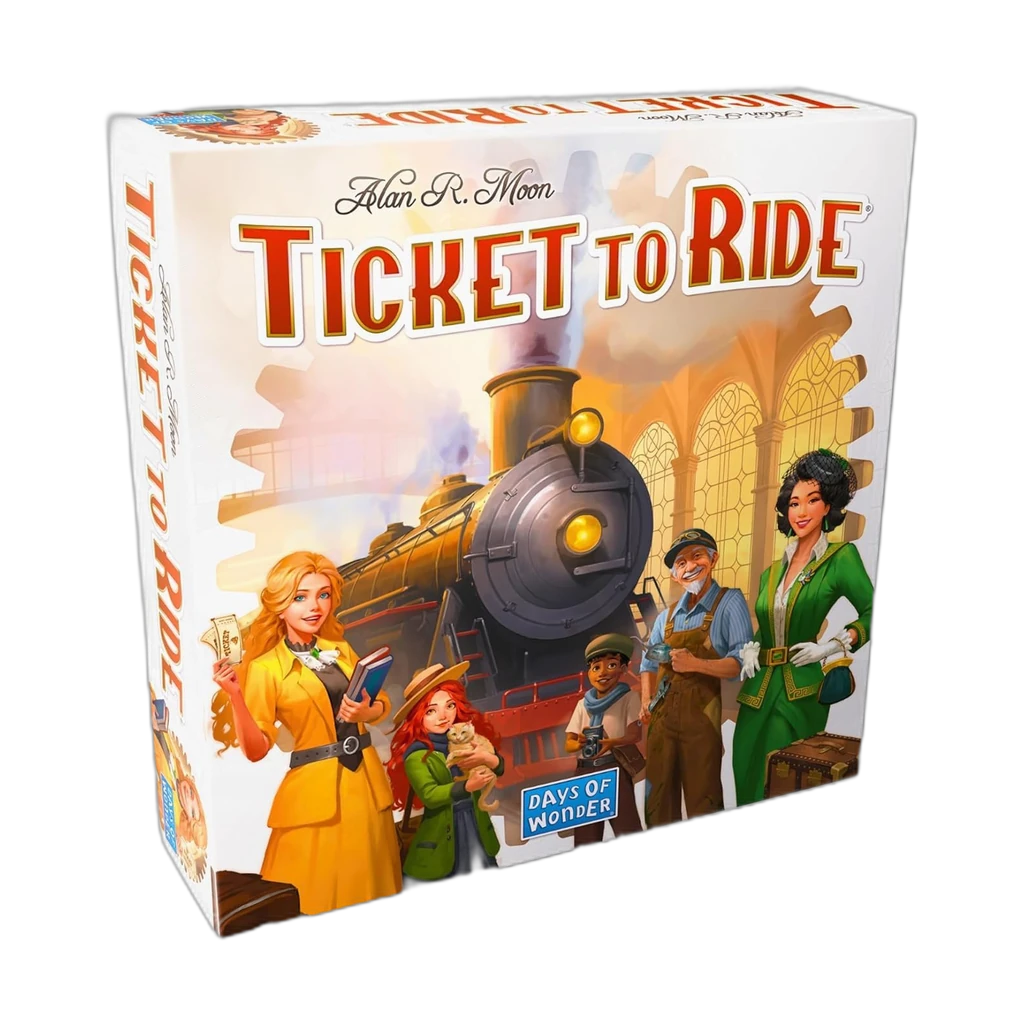
The gateway game. Two decades of consistent recommendations.
View on Amazon →Paraphrased consensus from r/Parenting, r/raisingkids, r/boardgames. No direct quotes.
Across the r/Parenting birthday-gift megathreads, the consensus 10-year-old gift is something that 'opens into a hobby, not a session.' Parents repeatedly flag Ticket to Ride and the Pokémon ETB as the two gifts that produced the most months of post-birthday use. The strongest negative consensus is against single-IP licensed toys (the LEGO Star Wars sets at the $50 tier are the exception — they survive because of build value, not branding). r/boardgames threads on 'first real strategy game for a kid' consistently land on Ticket to Ride, Azul, or Carcassonne in roughly that order — all three are in our top picks below.
Educational researchers studying play at this age (the Fred Rogers Center 2024 report on tween play; Kapur & Bielaczyc on productive struggle) converge on one finding: 10-year-olds learn most from games that have a real lose condition. The 'everyone gets a star' design that works at 6 actively disengages a 10-year-old. Every board game on this list has genuine win/lose stakes — Ticket to Ride, Azul, and Splendor are particularly clean examples of strategic depth without combat.
On STEM kits specifically: the National Science Teaching Association's 2025 review of home-use kits found that completion rates correlate more strongly with kit physicality (real components, real tools) than with curriculum quality. Snap Circuits' CurioRank of 89 reflects this — the snap-together format is what gets the kit opened a second time, not the included project booklet.
What the research does NOT support: the idea that 'screen-based STEM' (coding apps, tablet-based science) outperforms physical kits at this age. The data is actually the opposite — physical kits produce higher engagement, longer retention, and more parent-child co-play. Skip the iPad-required gifts.
Tenzi Party Pack or a Rubik's Cube. Both are sub-$15, both work for almost any 10-year-old regardless of existing interests, and neither requires the gift-giver to have read the kid's current hobby list.
Yes. An Elite Trainer Box ($45) gives you a playable starter setup — 8 boosters, energy cards, dice, status tokens, and a deck-building manual. Buying $45 of raw boosters is pure gambling; the ETB is the actual game.
Pivot to a model kit (Bandai HG Barbatos Lupus Rex is the standard first-real-model recommendation) or a brain teaser (Hanayama Cast Level 6). Both deliver a different category of gift than another board game.
Mostly yes. Ticket to Ride, Carcassonne, Tenzi, and Snap Circuits Jr. all work from 8+. Pokémon TCG and Lorcana are technically 8+ but assume reading fluency. Hanayama Level 6 and the Bandai kits are the only picks we'd hold for a strong 9 or full 10.
Carcassonne at CurioRank 89, followed by Splendor (89) and Codenames (2nd Edition) (89). CurioRank blends owner sentiment, durability, and category-specific fit — see the methodology page for the full formula.
Yes — Tenzi Party Pack, Rubik's Cube Classic, Hanayama Cast, and most starter-deck TCG products land between $10–$20. The full-format board games (Ticket to Ride, Catan, Azul) sit in the $35–$55 band.
Every product in this guide is filtered from our launch product set against the guide's specific selector criteria, then ranked by CurioRank (0-100). The CurioRank is a transparent, deterministic formula documented at the methodology page.
Read the CurioRank methodology →