Quick Answer
You came for the first board game that gets asked for a second round. Buy Azul, about $32: a five-minute teach, 30-minute games and resin tiles that pass the coffee-table test. Buy Ticket to Ride, about $40, for a family night that can run longer. Buy Splendor, about $32, for a couple - it plays well at two, though BGG's poll rates it best at three. Buy Carcassonne, about $32, as the second game once Azul lands; BGG's poll rates it best at exactly two. Skip Monopoly and Risk: player elimination ends the night for someone long before it ends for everyone.
Key takeaways
- Azul is the safest first gateway purchase in 2026: BoardGameGeek puts its community weight at 1.77 against a 7.71 average from about 110,000 ratings, it teaches in five minutes, and the tiles do half the recruiting for you.
- The gateway filter that matters is not simplicity - it is that nobody stops playing. Player elimination and dead turns are why r/boardgames condemns Monopoly and Risk while recommending fiddlier games freely.
- Splendor is the easiest pick to get to the table with one other person, but BGG's community player-count poll rates it best at three players rather than two.
- Carcassonne has the largest ratings pool here - roughly 141,000 BoardGameGeek ratings - and BGG's poll rates it best at exactly two, which makes it a strong second game after Azul.
- Catan is now widely treated as a dated first teach on r/boardgames, though a visible minority still defends it. Buy it for a group that already enjoys negotiation, not as a blind gift.
On this page
Side-by-side comparison
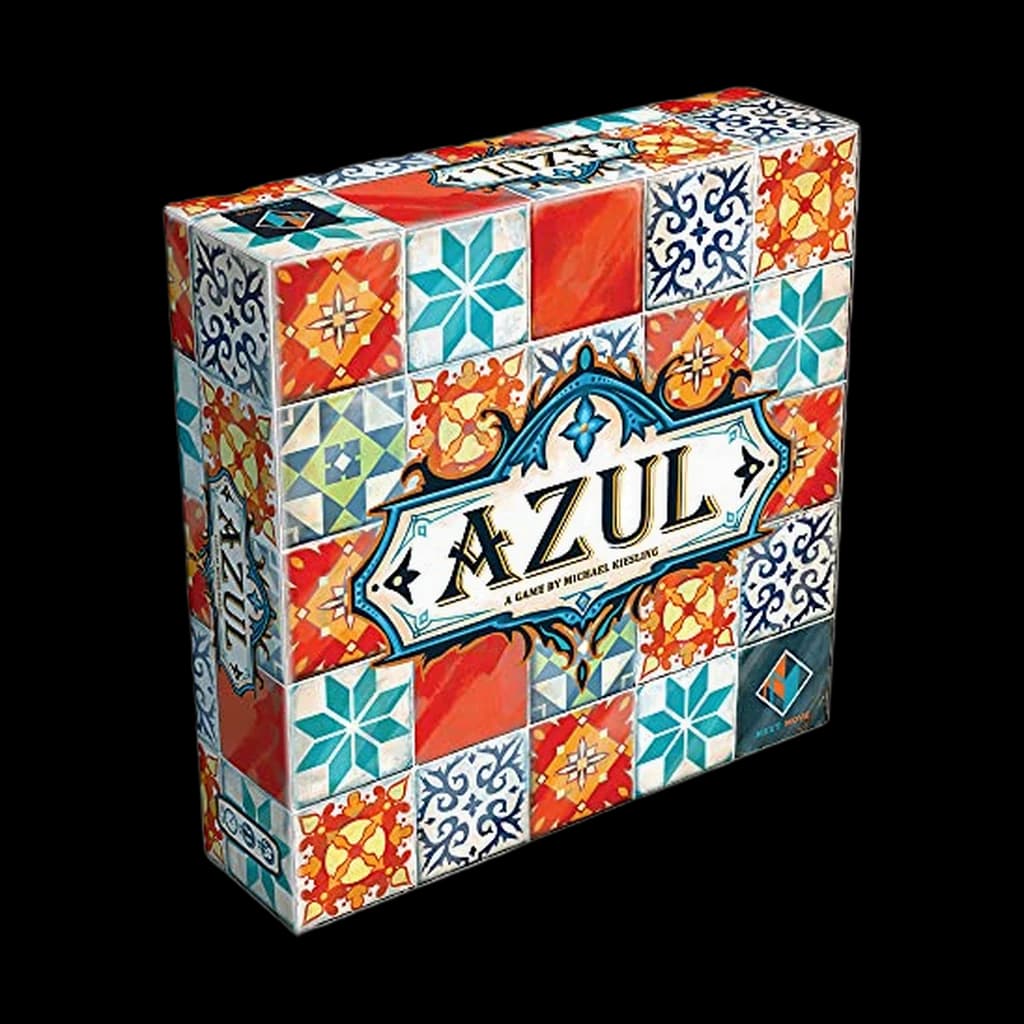
Stunning Portuguese tile-laying. Beautiful enough for the coffee table.
- Player Count
- 2-4
- Game Length
- 30-45 minutes
- Teach Time
- 5 minutes
- BGG Weight
- 1.8
Best evidence
Spiel des Jahres winner with stunning visual design
Main trade-off
Negative scoring frustrates new players
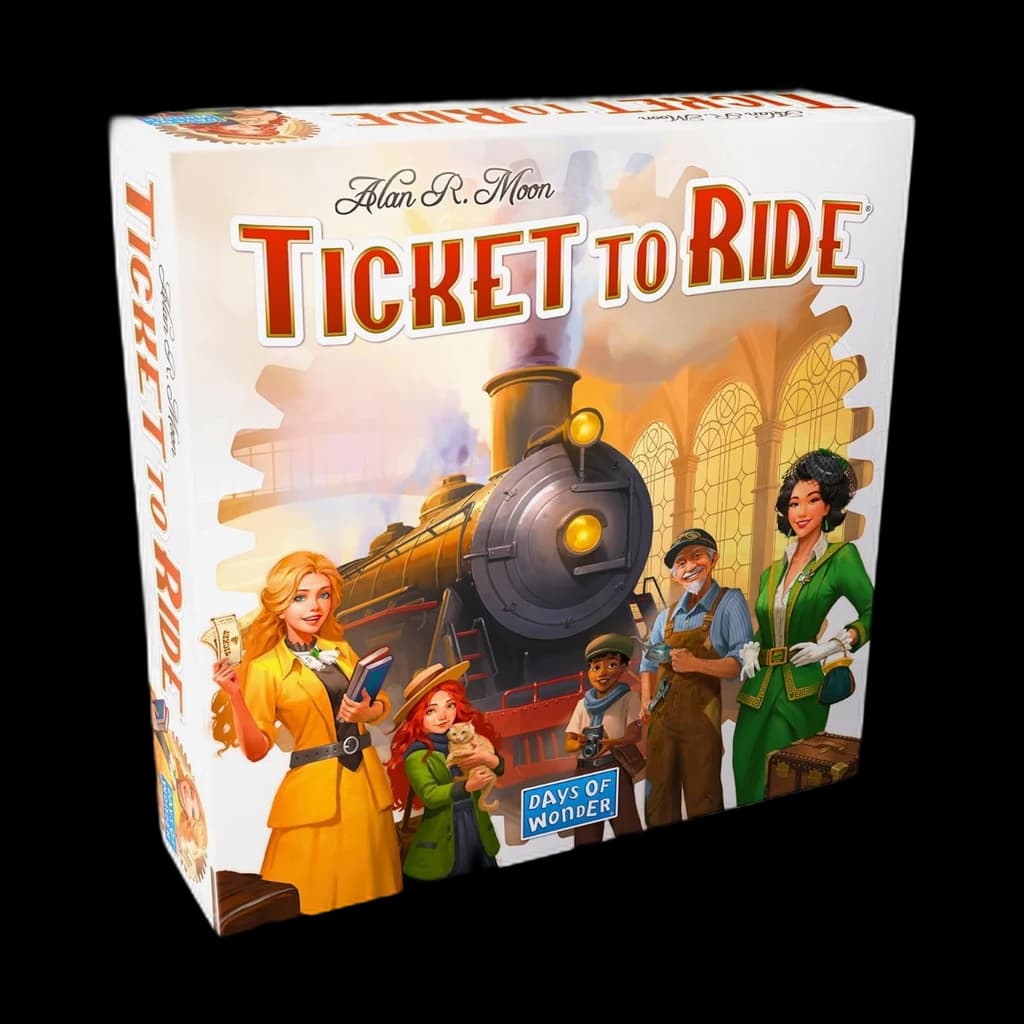
The gateway game. Two decades of consistent recommendations.
- Player Count
- 2-5
- Game Length
- 45 minutes
- Teach Time
- 5 minutes
- BGG Weight
- 1.8
Best evidence
Universal gateway game - works for non-gamers and gamers
Main trade-off
Some players find route-blocking frustrating
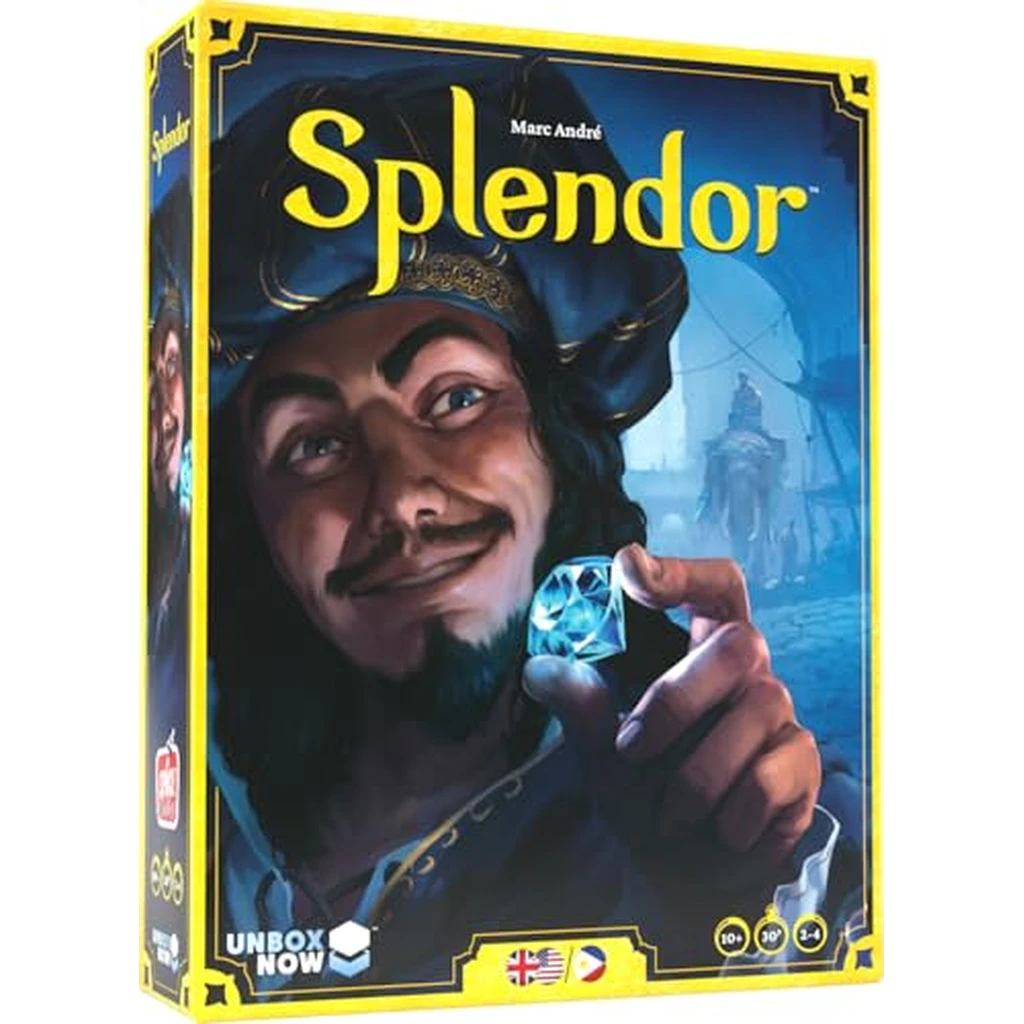
30-minute engine builder with the most satisfying poker chips in board gaming.
- Player Count
- 2-4
- Game Length
- 30 minutes
- Teach Time
- 5 minutes
- BGG Weight
- 1.8
Best evidence
Premium components - weighty poker-style chips
Main trade-off
Theme is paper-thin
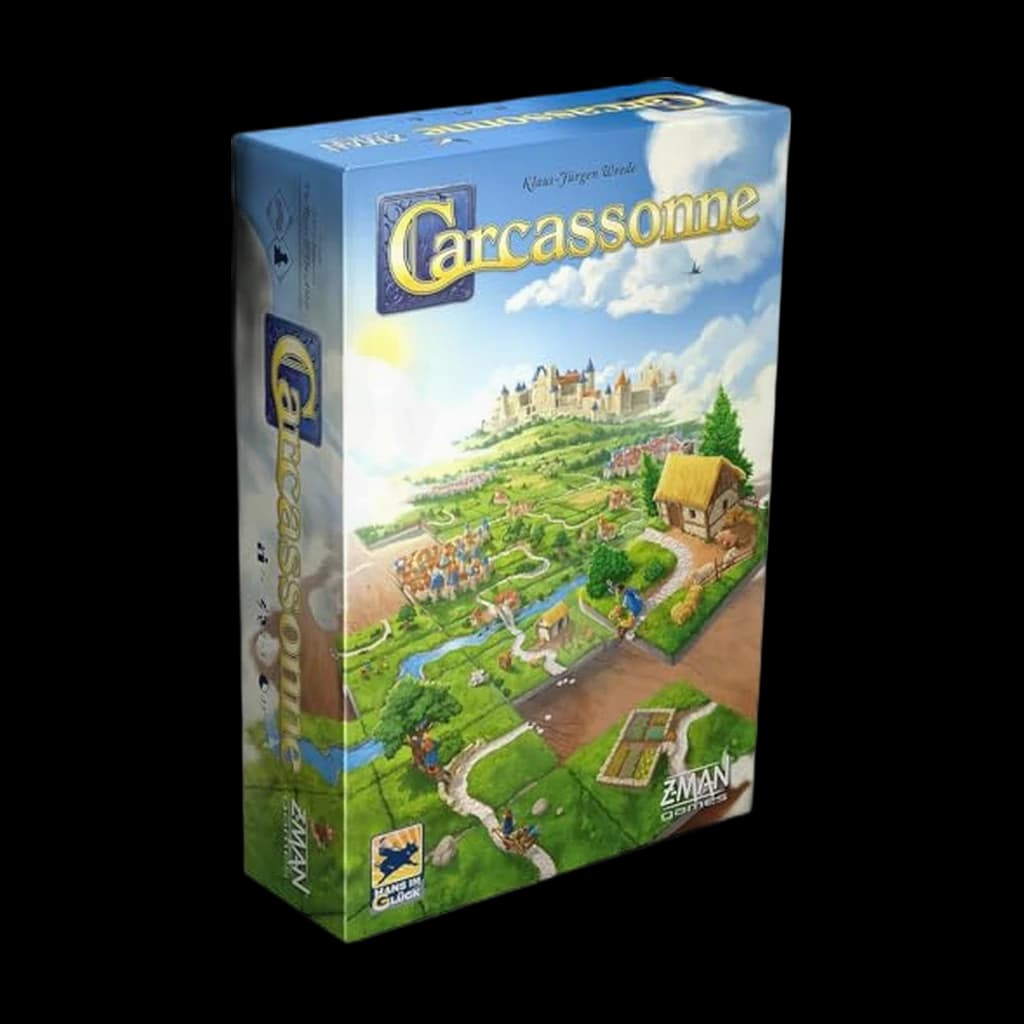
Tile-laying meditation. Brilliant at 2 players.
- Player Count
- 2-5
- Game Length
- 30-45 minutes
- Teach Time
- 8 minutes
- BGG Weight
- 1.9
Best evidence
Spiel des Jahres winner
Main trade-off
Pacifist players miss conflict
#5
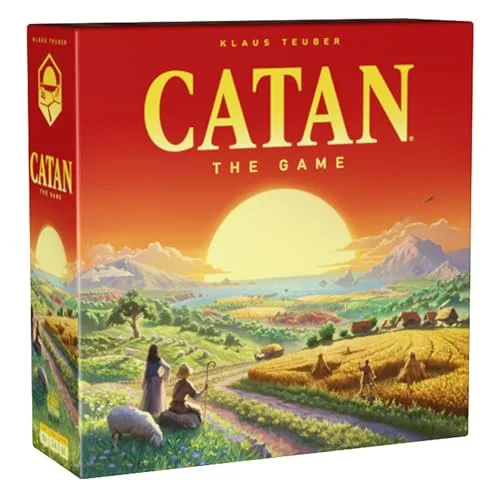
CATAN Board Game (6th Edition)
The trade-and-build classic that built the modern hobby - best for groups that already enjoy negotiation, risky as a blind first teach.
- Brand
- CATAN
- Player Count
- 3-4
- Game Length
- 60-120 minutes
- BGG Weight
- 2.33
Best evidence
Trading keeps every player active between turns
Main trade-off
Trading and the robber create social friction in groups that aren't ready for it
* Prices are approximate. Tap Buy to see current pricing on Amazon.
| Comparison field | #1Azul Owner rating | #2Ticket to Ride Owner rating | #3Splendor Owner rating | #4Carcassonne Owner rating | #5CATAN Board Game (6th Edition) Owner rating |
|---|---|---|---|---|---|
 |  |  |  | | |
| CurioRank | - | ||||
| Verdict | Stunning Portuguese tile-laying. Beautiful enough for the coffee table. | The gateway game. Two decades of consistent recommendations. | 30-minute engine builder with the most satisfying poker chips in board gaming. | Tile-laying meditation. Brilliant at 2 players. | The trade-and-build classic that built the modern hobby - best for groups that already enjoy negotiation, risky as a blind first teach. |
| Price | |||||
| Player Count | 2-4 | 2-5 | 2-4 | 2-5 | 3-4 |
| Game Length | 30-45 minutes | 45 minutes | 30 minutes | 30-45 minutes | 60-120 minutes |
| Teach Time | 5 minutes | 5 minutes | 5 minutes | 8 minutes | - |
| BGG Weight | 1.8 | 1.8 | 1.8 | 1.9 | 2.33 |
| Components | Resin tiles + boards | 240 train cars + cards + board | 40 weighty poker chips + cards | 72 tiles + meeples | - |
| Expansions | - | 10+ map packs | - | - | - |
| Brand | - | - | - | - | CATAN |
| Buyer sentiment | Ease of learning Strategy Appearance Family-friendly Buyers praise ease of learning, strategy, appearance and family-friendly. Based on 2,030 user mentions | Strategy Game duration Value for money Instructions Buyers praise strategy, game duration, value for money and instructions. Based on 1,597 user mentions | Strategy Family-friendly Game speed Player count Buyers praise strategy, family-friendly, game speed and player count. Based on 1,694 user mentions | Gameplay Ease of learning Family-friendly Strategy Buyers praise gameplay, ease of learning, family-friendly and strategy. Based on 2,030 user mentions | - |
| Pros |
|
|
|
|
|
| Cons |
|
|
|
|
|
* Prices are approximate. Click Buy to see current pricing on Amazon.
Azul
- Spiel des Jahres winner with stunning visual design
- Learn in 5 minutes
- Premium components - resin tiles feel great
Azul is the most non-gamer-friendly entry: under five minutes to teach, finishes in 30, and the resin tiles give it a non-LEGO-looking sophistication that lets it sit on a coffee table without negotiation.
Who are you teaching?
Pick the line that matches the people you are buying for. Complexity is BoardGameGeek's community weight on a 1-5 scale, the same figures quoted in this guide.
Someone who says they don't like board games
A five-minute teach and a game that ends before anyone checks the clock.
- Buy on Amazon
Azul$31.99
BGG complexity: 1.77 of 5
Our #1: the lowest-risk first teach, with tiles that read as decor.
- Buy on Amazon
Ticket to Ride$39.99
BGG complexity: 1.82 of 5
The canonical first game - draw cards, claim routes. BGG's poll rates it best at four.
Just the two of you
Most gateways need three or more to feel full. These two don't.
- Buy on Amazon
Carcassonne$31.99
BGG complexity: 1.88 of 5
BGG's poll rates it best at exactly two, and the modular map means no two games look alike.
- Buy on Amazon
Splendor$31.99
BGG complexity: 1.77 of 5
A 30-minute chip-and-card engine that plays well at two, though BGG's poll prefers three.
A group ready for more
Past the first teach and asking what is next.
- Buy on Amazon
Wingspan$55
BGG complexity: 2.48 of 5
A brilliant second game once a non-gamer has finished an Azul; too heavy for a true first teach.
- Buy on Amazon
CATAN Board Game (6th Edition)$39.99
BGG complexity: 2.33 of 5
For a group that already enjoys negotiation. Skip it as a blind gift - it is the highest-variance pick socially.
Watch the top pick: Azul
Video by a third-party creator, hosted on YouTube. Loads only when you press play.
Quick Answer
The best gateway board game to buy in 2026 is Azul. It teaches in five minutes, plays in 30, and clears the highest bar for any gateway: non-gamers ask to play a second round. The resin tiles also let it pass the 'this looks too much like a board game' test that kills a lot of first-night attempts.
Ticket to Ride is the runner-up if your group will agree to 60 minutes. Splendor is the strongest pick if your group is two players. Catan is the canonical gateway but worth thinking twice about for socially competitive groups.
Rule of thumb: a gateway game is judged on the second round, not the first. Anything that gets a polite "that was fun" and never comes back off the shelf has failed, however good it is.
The 5 Games, Ranked
| # | Game | Players | Time | Weight | CurioRank | Best for |
|---|---|---|---|---|---|---|
| 1 | Azul | 2–4 | 30–45 min | 1.77 | 87 | Dinner parties, a partner who "doesn't like board games" |
| 2 | Ticket to Ride | 2–5 | 60–90 min | 1.82 | 86 | Family game nights, geography fans |
| 3 | Splendor | 2–4 | 30 min | 1.77 | 89 | Couples, date night, lunch-break gaming |
| 4 | Carcassonne | 2–5 | 30–45 min | 1.88 | 89 | Post-Azul households, puzzle-brained players |
| 5 | Catan | 3–4 | 60–120 min | 2.33 | 79 | Groups that already enjoy negotiation |

1. Azul - best overall gateway (best first purchase)
Check price on Amazon · $31.99 →Full review →Azul, designed by Michael Kiesling, is a tile-drafting game where players collect colored tiles and place them on personal player boards to score patterns. BoardGameGeek (BGG) lists its community weight at 1.77 - squarely in gateway territory - against a 7.71 average from about 110,000 ratings, one of the largest ratings pools in the hobby. The teach is genuinely under five minutes for anyone who has played any tile-matching game on a phone. The components matter too: the resin tiles feel premium and the game looks at home on a coffee table. If Azul lands and you want the next box, which Azul game to buy compares the sequels and the rule each one changes.
2. Ticket to Ride - best traditional gateway
Check price on Amazon · $39.99 →Full review →Ticket to Ride remains the canonical 'first board game' for a reason: drawing colored cards to claim train routes across a map is intuitive to anyone who has ever played a card game. BoardGameGeek puts its community weight at 1.82, from a 7.38 average across roughly 99,000 ratings, and BGG's player-count poll rates it best at exactly four - not at two. The 60–90 minute playtime is the catch - non-gamers who would happily play 30 minutes of Azul will look at the clock at minute 75 of Ticket to Ride.
3. Splendor - best for two players
Check price on Amazon · $31.99 →Full review →Splendor is a 30-minute card-drafting game where you collect gem chips and buy development cards to score points. It is the easiest game here to get to the table with one other person, because most gateways need three or more to feel full. One honest wrinkle: BoardGameGeek's community player-count poll actually puts Splendor's best count at three, not two, so treat it as a game that works well at two rather than one that peaks there. The teach is fast (under five minutes), the analysis-paralysis risk is lower than Catan, and the chips feel surprisingly luxurious for the price.
4. Carcassonne - best 'second game' to teach
Check price on Amazon · $31.99 →Full review →Carcassonne is the tile-laying game where players build cities, roads, and farms one tile at a time. It has the largest ratings pool on this list - roughly 141,000 BoardGameGeek ratings at a 7.42 average - and BGG's community player-count poll rates it best at exactly two players. It earns its 89 CurioRank score on replay value - the modular setup means no two games feel the same. The reason it's a 'second game' pick: the meeple-placement decisions feel small individually but compound, and that compounding is more enjoyable for someone who has already finished a Ticket to Ride or Azul.
5. Catan - canonical but risky
Catan is the game that built the modern hobby. The trading mechanic - players negotiate resource trades constantly - is the single biggest reason it converted people in the 2000s. It's also the single biggest reason recent r/boardgames threads have started cautioning against it as a first teach. Trading creates social friction in groups that aren't ready for it, and the 'robber' mechanic can feel pointed even when it isn't. The 79 CurioRank score reflects historical importance and genuine quality, with the caveat that group fit matters, and it is socially heavier than the rest of the list.
Buying Guide: What to Look For
Weight (BGG complexity rating)
BoardGameGeek rates every game on a 1–5 'weight' scale. Anything above 2.0 will lose most non-gamers in the rules explanation. Aim for under 2.0 for true gateways - Azul (1.77), Splendor (1.77), Carcassonne (1.88) and Ticket to Ride (1.82) all clear this bar comfortably.
Teach time vs play time
The ratio matters more than either number alone. Five-minute teach plus 30-minute play means non-gamers feel competent for 80% of the experience. Twenty-minute teach plus 60-minute play means they spend a third of the night confused.
The signals worth buying on
Green flags:
- A BGG community weight under 2.0, which every pick but Catan clears
- A five-minute teach against a 30-minute play time
- Components people want to touch: resin tiles, weighted chips, plastic trains
Red flags:
- Weight above 2.0 on a genuine first teach
- A twenty-minute teach in front of a 60-minute game
- Cheap cardboard, which kills more conversions than bad rules
Player count match
Gateway games often play badly outside their sweet spot. Match the game to your actual play group before buying:
- Catan needs 3+ to work at all.
- Splendor plays well at 2, which is rare in this tier, though BGG's poll rates it best at 3.
- Azul scales 2–4 cleanly, which is why it is the safe default.
The trap: buying the game you want to grow into. A gateway is a tool for one specific job, and the person you are buying it for has not agreed to a hobby yet.
The gateway classics r/boardgames now calls dated
The 2000s big three - Catan, Carcassonne and Ticket to Ride - are increasingly described on r/boardgames as classic gateway games rather than current ones. Respected, historically important, no longer the default answer when a non-gamer asks what to buy first. The modern shortlist the sub reaches for instead is Azul, Cascadia, Kingdomino, Sushi Go!, Just One, Codenames, Splendor, Quacks of Quedlinburg, The Crew, Bomb Busters and Sky Team, with the Spiel des Jahres winners functioning as a de facto gateway ladder.
Catan takes the sharpest version of the criticism: three decades old, dice-swingy, prone to kingmaking through robber placement, and capable of leaving a player effectively out of the game while still sitting at the table. There is also visible pushback arguing the Catan hate has gone reflexive and that it still teaches trading and resource management better than most of what replaced it. Both positions are real, and the split is the honest finding.
Two anti-recommendations are not contested at all:
- Monopoly and Risk - player elimination and long stretches with no meaningful decision. The objection is structural, not snobbery about complexity.
- Munchkin - long, strategically thin, and built on a beat-up-the-leader mechanic that punishes whoever is doing well. The opposite of what a first game night needs.
The real gateway filter: not simplicity - it is that nobody stops playing. Elimination and dead turns are what kill a first game night, which is why fiddlier games get recommended freely while Monopoly does not. The second filter almost no gift guide applies: the game has to stay fun for the person teaching it, because they will teach it twenty times.
Sources & Research
- BoardGameGeek Azul page
- BoardGameGeek Ticket to Ride page
- BoardGameGeek Splendor page
- BoardGameGeek Carcassonne page
- r/boardgames gateway recommendations
What about Wingspan?
Wingspan is the most-recommended gateway game in 2026 online lists but it's deliberately off this ranking. The reason: BoardGameGeek's community weight is 2.48 (above the 2.0 gateway ceiling) and teach time runs 15–20 minutes - both higher than Azul, Ticket to Ride, and Splendor. Wingspan is a brilliant second game once a non-gamer has finished an Azul, but it's heavier than a true first teach. If your group is gamer-adjacent rather than gamer-skeptical, Wingspan jumps to #1.
Best gateway board game as a gift
If you're buying a gateway game as a gift for someone whose taste you don't know well, default to Azul. It's the lowest-risk pick on the list because the resin tiles read as decor (so it passes the "do they even like board games" filter), the 30-minute play time means it's tried-and-shelved in one evening if they don't love it, and the 1.77 weight means no one bounces off the rules. Skip Catan as a blind gift - it's the highest-variance pick socially.
Every game above — with full CurioRank sub-scores, buyer sentiment, and the picks we rejected — lives in our gateway board games category.
Once a gateway game becomes the table default, the next question is whether to add more. Our board game expansion framework separates real replay value from bloat - and because the teach is most of the product here, how to teach a board game without ruining game night is worth reading before the first session.
Shopping for someone else? Our Christmas gifts for board game lovers guide organises these gateway picks by recipient profile rather than by category. To filter every game we score by players, time and complexity at once, use the board game finder.
Cheaper alternative
Azul ($31.99) is our #1 pick here. If that is more than you want to spend, this is a cheaper option in the same category — our researched verdict on it is below.
Sushi Go Party!
The best big-group gateway - a charming draft that scales to eight and teaches in the time it takes to shuffle.
Your next step