Quick Answer
You came for a party game people will ask for again. Buy Codenames, about $25: it teaches in under five minutes, the word grid is different every play, and it is the pick that scales most cleanly from four to ten or more. Buy Wavelength, about $35, for a group of four to eight who enjoy reading each other. Buy Just One, about $38, if your group would rather everyone win or lose together. Skip buying for the biggest number printed on the box: a 4 to 10 box usually means good at six, awkward at four and chaotic at ten, and the extremes are exactly where a nervous host lands.
Key takeaways
- Codenames is the most universally recommended party game in the hobby and the one that scales most cleanly from 4 to 10+ players.
- Wavelength is the cleanest 'reading-each-other' game ever published - works equally well with strangers or close friends.
- Skull is the simplest game on this list and the one with the deepest bluffing decisions per minute.
- Cascadia is the quietest pick - a tile-laying game that scales to four and still feels personal.
On this page
Side-by-side comparison
5M+ copies sold for a reason. Scales 4-8+.
- Player Count
- 4-8+
- Game Length
- 15 minutes
- Teach Time
- 60 seconds
- BGG Weight
- 1.3
Best evidence
Hilarious table laughs every game
Main trade-off
Awkward with exactly 4
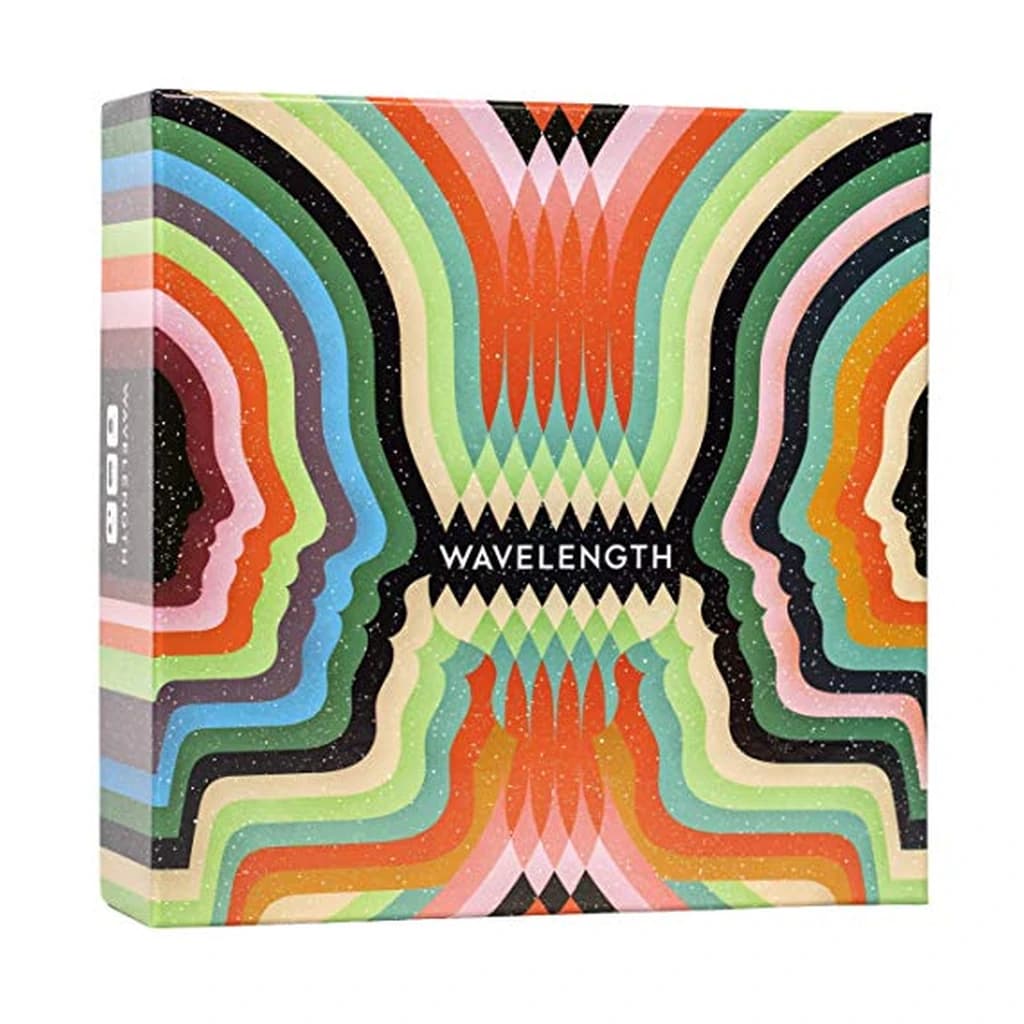
The fancy dinner party upgrade to Codenames.
- Player Count
- 2-12
- Game Length
- 30-45 minutes
- Teach Time
- 90 seconds
- BGG Weight
- 1.2
Best evidence
Hilarious table laughs every game
Main trade-off
Less kid-friendly than Codenames
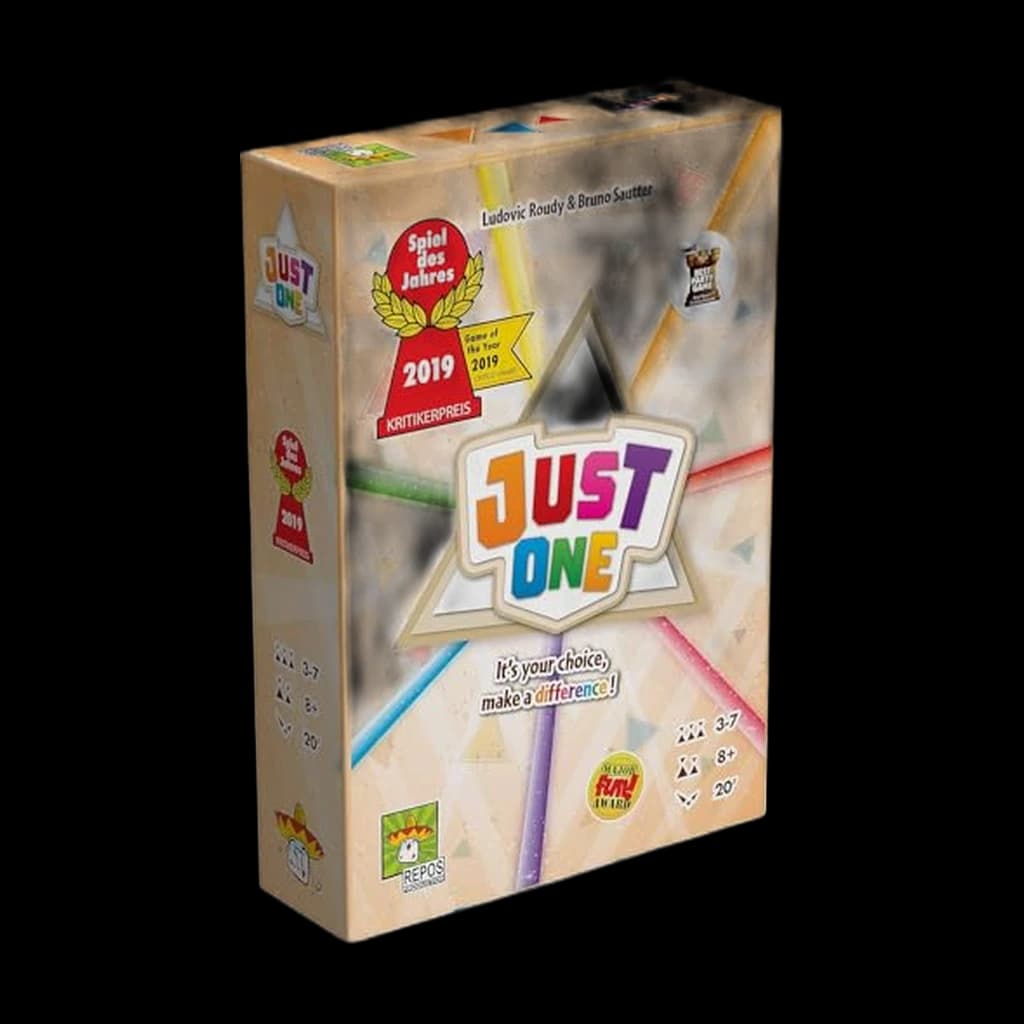
Co-op word game. Works for 7-year-olds and grandparents.
- Player Count
- 3-7
- Game Length
- 20-30 minutes
- Teach Time
- 60 seconds
- BGG Weight
- 1.1
Best evidence
Spiel des Jahres winner
Main trade-off
Requires wet-erase markers that dry out
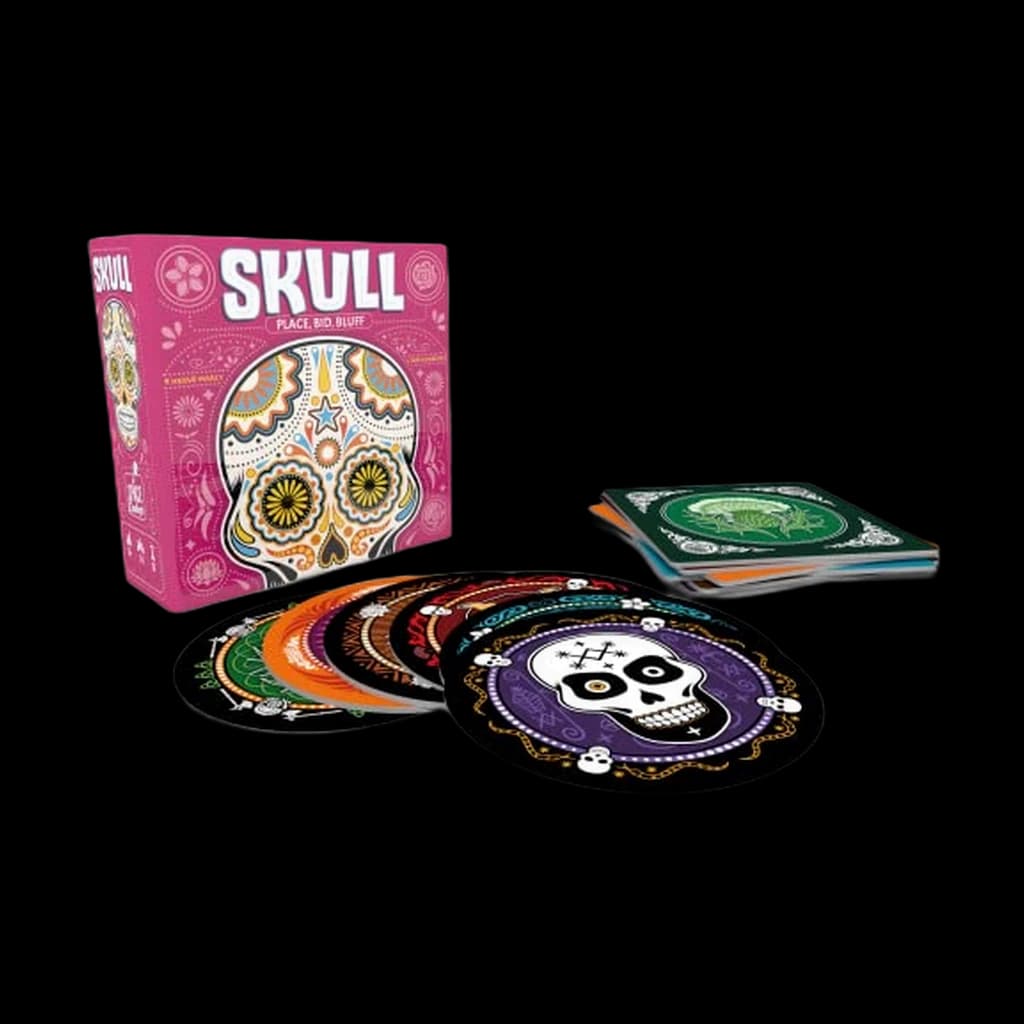
24 paper coasters and a $20 price tag.
- Player Count
- 3-6
- Game Length
- 15-45 minutes
- Teach Time
- 60 seconds
- BGG Weight
- 1.4
Best evidence
Hilarious table laughs every game - bluffing dynamic is genius
Main trade-off
Doesn't work at exactly 2 players
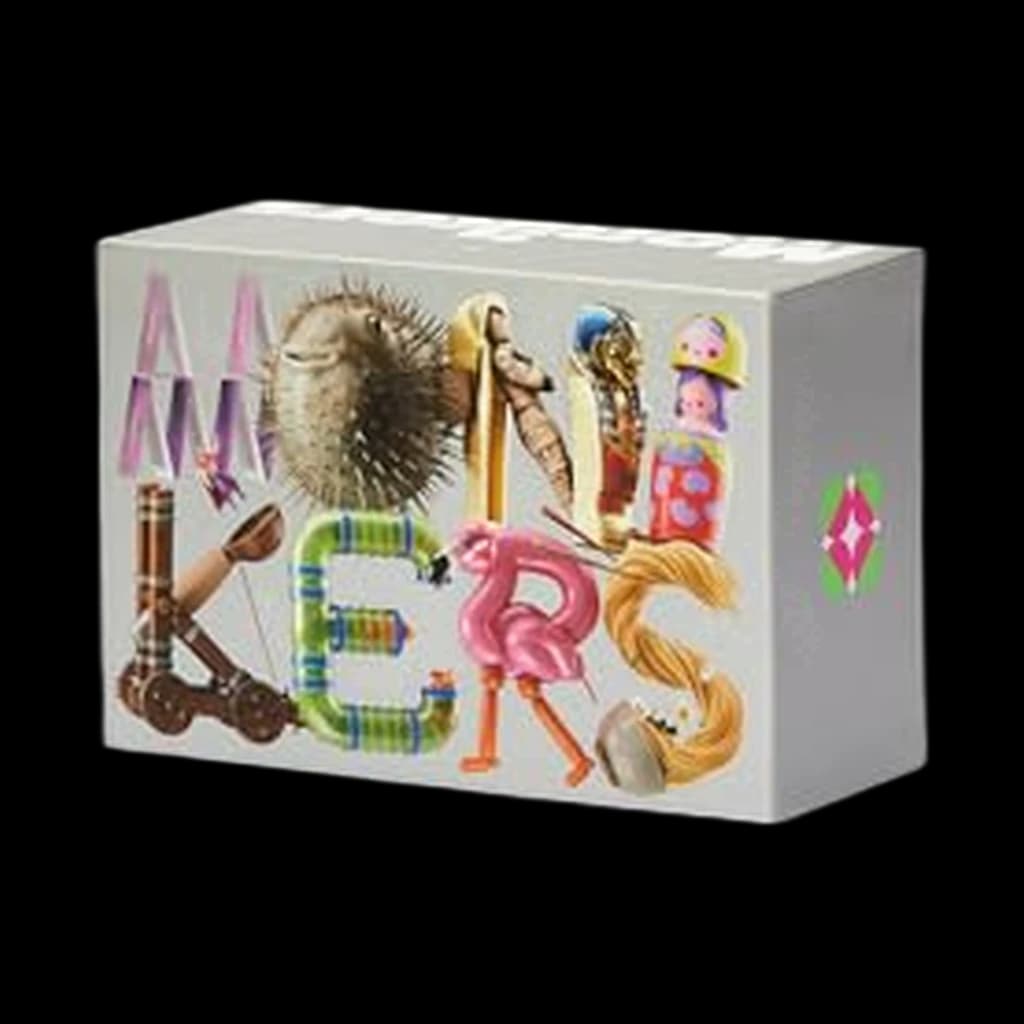
The party game that gets harder each round - 3 rounds use the same set of cards: describe, one-word clue, charades. Comedy gold with the right crew.
- Players
- 4-20+
- Time
- 45-90 min
- Weight
- 1.4
- Cards
- 440 + expansions
Best evidence
Three-round escalating mechanic creates running jokes
Main trade-off
Funniest with 6+ players
* Prices are approximate. Tap Buy to see current pricing on Amazon.
| Comparison field | #1Codenames (2nd Edition) Owner rating | #2Wavelength Owner rating | #3Just One Owner rating | #4Skull Owner rating | #5Monikers Party Game Owner rating |
|---|---|---|---|---|---|
 |  |  |  |  | |
| CurioRank | |||||
| Verdict | 5M+ copies sold for a reason. Scales 4-8+. | The fancy dinner party upgrade to Codenames. | Co-op word game. Works for 7-year-olds and grandparents. | 24 paper coasters and a $20 price tag. | The party game that gets harder each round - 3 rounds use the same set of cards: describe, one-word clue, charades. Comedy gold with the right crew. |
| Price | |||||
| Player Count | 4-8+ | 2-12 | 3-7 | 3-6 | - |
| Game Length | 15 minutes | 30-45 minutes | 20-30 minutes | 15-45 minutes | - |
| Teach Time | 60 seconds | 90 seconds | 60 seconds | 60 seconds | - |
| BGG Weight | 1.3 | 1.2 | 1.1 | 1.4 | - |
| Cards | 200 double-sided word cards | - | 110 cards + wet-erase boards | - | 440 + expansions |
| Components | - | Physical dial + spectrum cards | - | 24 coaster-style discs | - |
| Players | - | - | - | - | 4-20+ |
| Time | - | - | - | - | 45-90 min |
| Weight | - | - | - | - | 1.4 |
| Buyer sentiment | Ease of learning Party-friendly Group-friendly Difficulty Buyers praise ease of learning, party-friendly, group-friendly and difficulty. Based on 3,037 user mentions | Gameplay Ease of use Social game Family game Buyers praise gameplay, ease of use, social game and family game. Based on 612 user mentions | Gameplay Ease of use Group game Game speed Buyers praise gameplay, ease of use, group game and game speed. Based on 187 user mentions | Gameplay Ease of learning Players count Game quality Buyers praise gameplay, ease of learning, players count and game quality. Based on 308 user mentions | Gameplay Party-friendly Humor Ease of learning Age-appropriateness Buyers praise gameplay, party-friendly, humor and ease of learning. Some flag age-appropriateness. Based on 699 user mentions |
| Pros |
|
|
|
|
|
| Cons |
|
|
|
|
|
* Prices are approximate. Click Buy to see current pricing on Amazon.
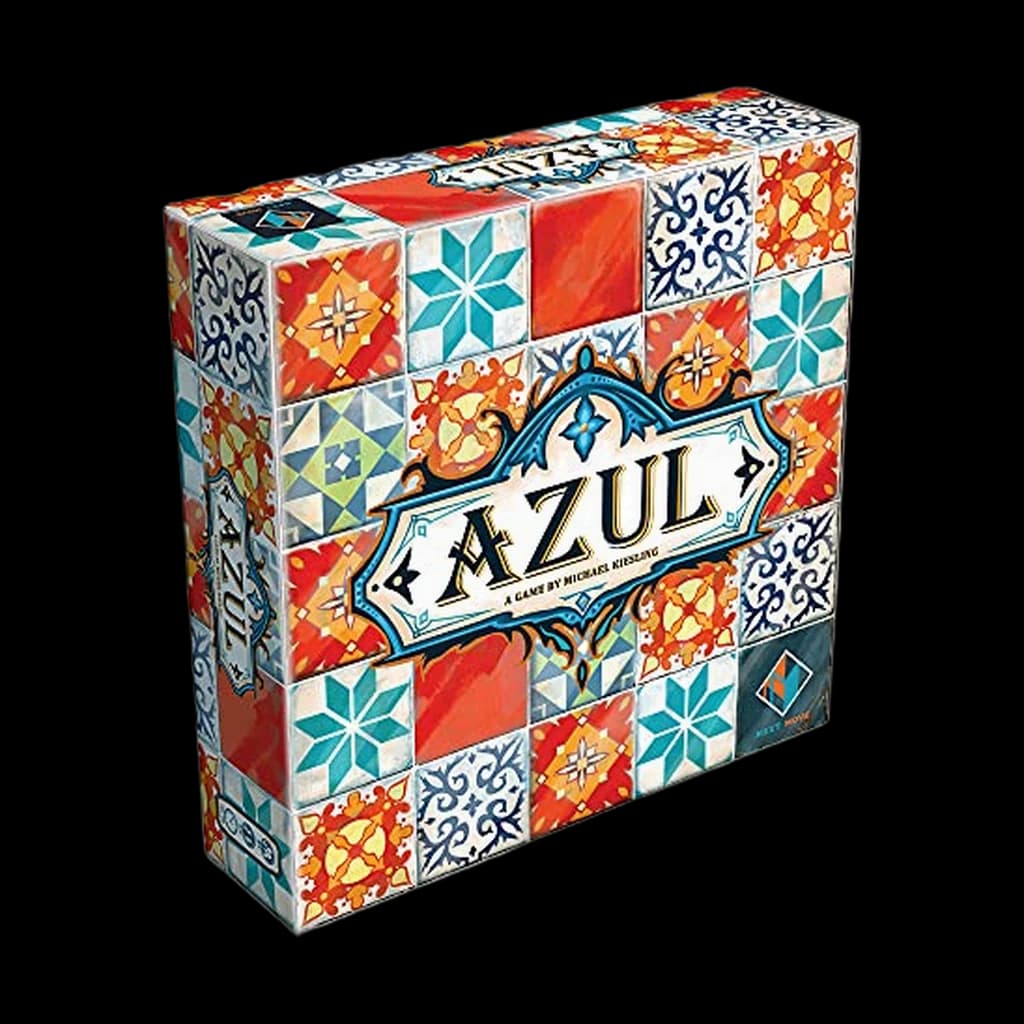
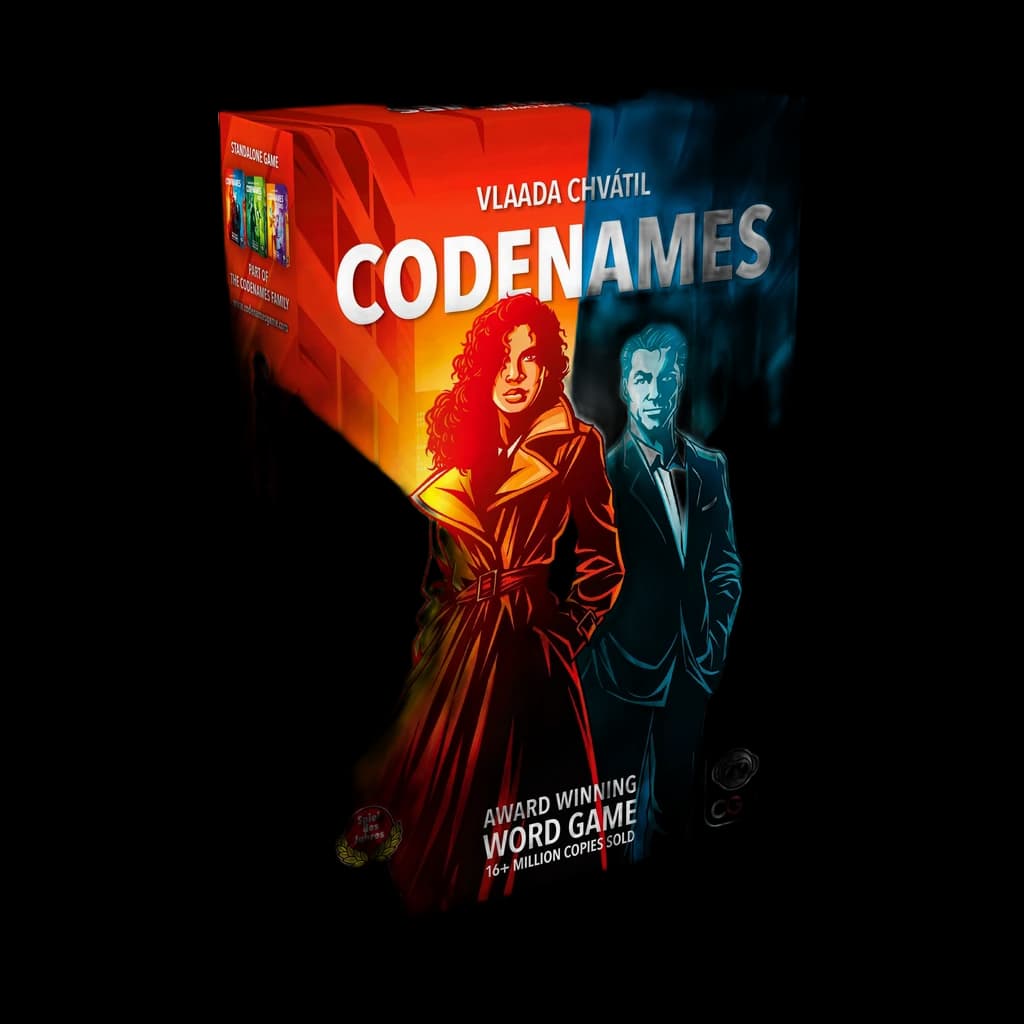
Codenames (2nd Edition)
- Hilarious table laughs every game
- Works 4-8+ - scales well
- Learn in 60 seconds
The single most-recommended party game in the hobby - fast teach, works at 4 to 10+ players, every play feels different because the word grid is randomized.
Watch the top pick: Codenames (2nd Edition)
Video by a third-party creator, hosted on YouTube. Loads only when you press play.
Quick Answer
If you want one party game in 2026 and you're hosting a group of 4 to 10+ adults, get Codenames. Vlaada Chvátil's 2015 design is still on every reputable party-game list a decade later, plays in 15 minutes, teaches in three, and works equally well at five players or eleven.
If your group is smaller (4–6) and you want something more unusual, get Wavelength.
Rule of thumb: in a party game, teach time is the spec that decides whether it ever hits the table. A brilliant game explained over 20 minutes to people holding drinks is a game nobody asks for again.
The 5 Party Games, Ranked
| Game | Real player range | Play time | Teach | Feel |
|---|---|---|---|---|
| Codenames | 4–8+ box, plays to 10+ | 15 min | Under 5 min | Competitive, team vs team |
| Wavelength | 2–12 box, best 4–8 | — | Under 5 min | Competitive, team vs team |
| Just One | 3–7 | — | — | Fully cooperative |
| Skull | — | 15 min | Under 5 min | Competitive bluffing |
| Cascadia | Up to four | 30–45 min | ~10 min | Competitive but quiet |
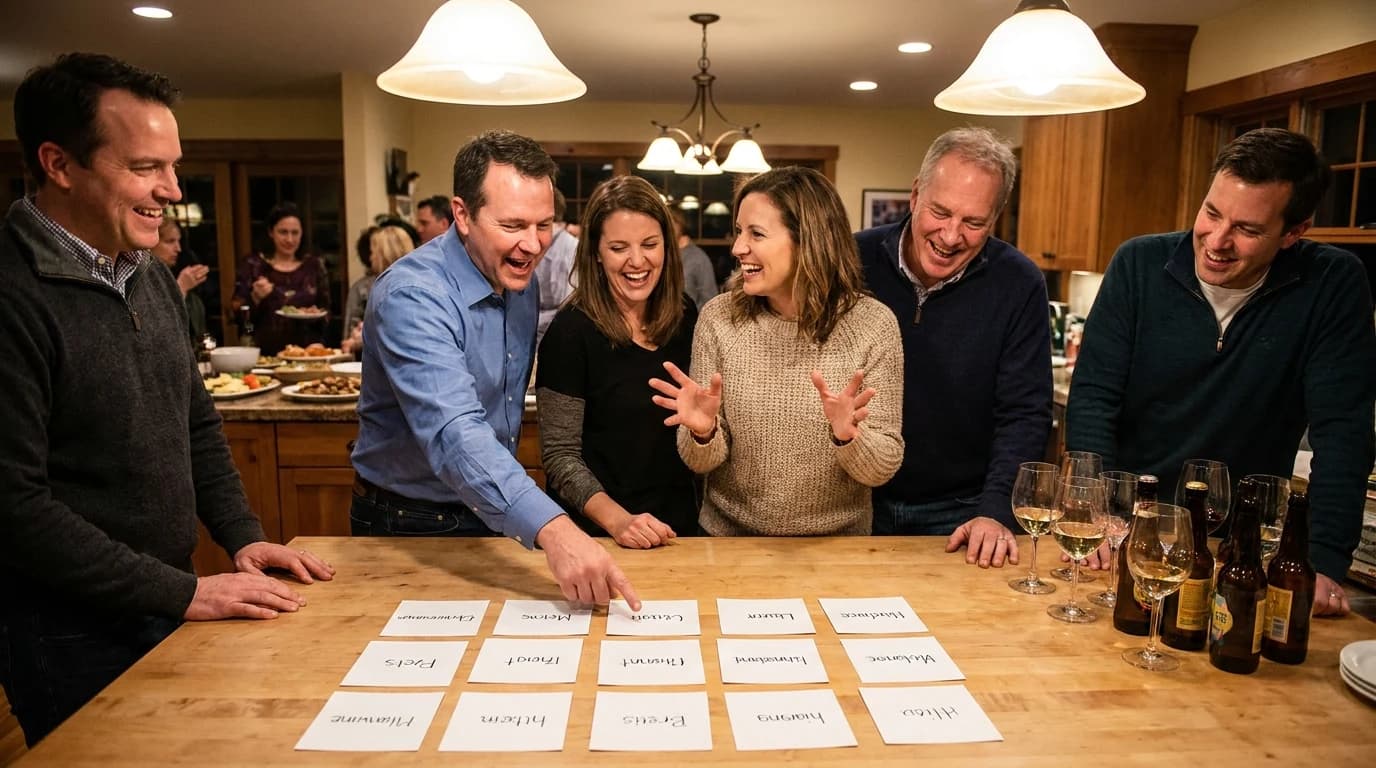
1. Codenames - best overall party game
Check price on Amazon · $24.97 →Full review →Two teams, a 5×5 grid of random words, and one clue-giver per team trying to get their team to guess the 'agent' words without hitting the assassin. Plays in 15 minutes, scales 4 to 10+ effortlessly, and every game's word grid is different.
Why it's #1:
- Single best teach-to-play ratio in the entire party-game category.
- Spiel des Jahres winner (2016) - the most reliable signal in mainstream party games.
- Multiple themed editions (Pictures, Duet, Deep Undercover) extend the franchise without diluting it. Which one to buy is settled in Codenames vs Duet vs Pictures.
Downside: four is the floor. Czech Games Edition lists Codenames at 4-8+ players - two teams with at least two players each - so at exactly four, each team is one spymaster and one guesser.
2. Wavelength - best 'reading the room' game
Check price on Amazon · List Price:A team-based game where one player gives a clue on a spectrum (e.g., 'hot ↔ cold') and their team has to set a dial as close to a target as possible. It's the cleanest expression of 'how well do you know your team' ever published.
Why we rank it #2: smaller player band (2–12 official, best at 4–8) than Codenames, but consistently produces the best 'oh that's so YOU' moments.
3. Just One - best cooperative party game
Check price on Amazon · $37.94 →Full review →A cooperative word-guessing game where each player writes a one-word clue for the active player - but if any two clues match, both are eliminated. The active player then guesses with whatever clues survive.
The pick if your group prefers cooperation to competition. Spiel des Jahres winner (2019).
4. Skull - best deep-bluffing card game
Check price on Amazon · $16.79 →Full review →The simplest game on this list: each player has four coasters (three roses, one skull), and you take turns either stacking a coaster face-down or betting how many roses you can flip without hitting a skull. Plays in 15 minutes.
Why it's on the list: every decision is a bluff. The decision density per minute is unmatched in any other card game on shelves.
5. Cascadia - best 'quiet party' game
Not a traditional party game - it's a tile-laying game that scales to four players, runs about 30–45 minutes, and rewards quiet, individual planning. We include it because not every group wants shouting-across-the-table energy.
The pick if your gathering is the kind where people want to talk and play.
Buying Guide: What to Look For in a Party Game
Real player count, not box player count
Most party-game boxes say '4–10 players' but actually play badly at the extremes. Czech Games Edition lists Codenames at 4-8+ players; for exactly two, it publishes a separate game, Codenames: Duet. Wavelength caps out around 8 comfortably. Just One scales 3–7 - eight feels stretched.
Teach time
Good party games teach in under 5 minutes. Codenames, Wavelength, and Skull all clear that bar. Cascadia is the slowest teach (~10 minutes) but still well below the threshold for a non-hobby group.
Cooperative vs. competitive
Someone has to lose:
- Skull, which is pure head-to-head bluffing
- Codenames and Wavelength, both team-vs-team
- Cascadia, competitive but quiet, with no direct attacks
Nobody loses alone:
- Just One, which is fully cooperative
If your group would rather solve something together than compete at all, the boxed escape room games we rank are the same seat count with a timer instead of a scoreboard.
Replayability without expansions
Codenames and Wavelength produce a completely different game every play with the base box. Skull is identical every play but the bluffing is different. Just One ships with hundreds of words; Cascadia has variable tile distributions.
The trap: buying for the biggest number on the box. A box that says 4–10 usually means good at six, awkward at four, and chaotic at ten, and the extremes are exactly where a nervous host lands.
Sources & Research
- BoardGameGeek - Codenames page
- BoardGameGeek - Wavelength page
- Spiel des Jahres - official award winners list
- Czech Games Edition - Codenames publisher page
- r/partygames - community
- BoardGameGeek - Party Game category rankings
Common Questions
The five most-asked questions before buying a party game - answered below.
What about Monikers, Telestrations, and the mainstream picks?
Two party games dominate Amazon best-seller lists but didn't make our top 5. Monikers reuses one deck across three rounds, building shared inside-jokes, and is the closest competitor to Codenames for pure laughs. Telestrations is Pictionary-meets-Telephone and gets very funny very fast at 6+ players. Both are excellent; Codenames and Wavelength rank higher only because they teach faster and replay better. Monikers is the right buy for groups that prefer pop-culture references to abstract word association.
Best cooperative card game for the same crowd: The Crew
Just One (#3 above) is the cooperative pick on this list, but if your group prefers structured card play to word games, The Crew: Mission Deep Sea is the standout. It's a cooperative trick-taking card game with a 96-mission campaign, plays in 20 minutes, scales 2–5 players, and won the 2020 Spiel des Jahres Kennerspiel award. Pairs especially well with groups that already enjoy Hearts or Spades.
Buying for a room of colleagues rather than a household? Our team offsite gift picks re-rank Codenames, Just One, Wavelength and Skull against a different bar - teaching in under five minutes without rewarding the loudest person there.
Cheaper alternative
Codenames (2nd Edition) ($24.97) is our #1 pick here. If that is more than you want to spend, this is a cheaper option in the same category — our researched verdict on it is below.
Skull
24 paper coasters and a $20 price tag.
Worth the upgrade
Codenames (2nd Edition) ($24.97) is our #1 pick here. If your budget stretches further, this is a pricier option in the same category — our researched verdict on it is below.
Just One
Co-op word game. Works for 7-year-olds and grandparents.
Your next step