Quick Answer
A hobby tends to feel relaxing when it fits the energy you actually have, needs almost no setup, and can be left unfinished without consequences. Hobby engagement is associated with better wellbeing in research, but no particular craft is proven to lower stress on demand - so the useful test is which version you would willingly repeat on a tiring day.
Key takeaways
- A relaxing hobby is one you can do badly, on a tired day, without creating consequences you dread.
- Hobby engagement is associated with better wellbeing, but the study design cannot show that starting one causes the change.
- Setup, cleanup and storage are part of the activity - judge a hobby by those, not by its reputation.
- Start with what you already own; collecting equipment can quietly replace doing the thing.
- Keep two options, one nearly effortless and one more engaging, so a poor fit never reads as failure at leisure.
On this page
Side-by-side comparison
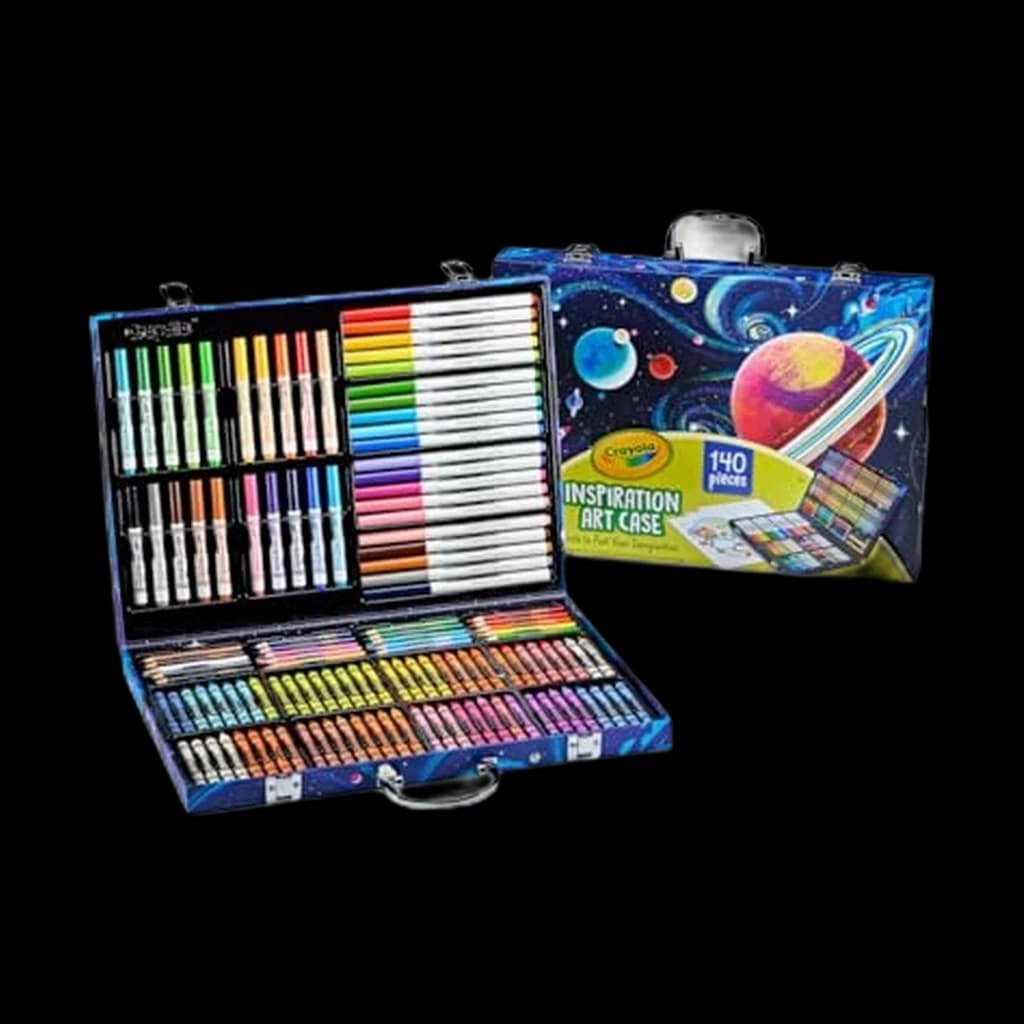
A broad drawing starter set, worth buying only once you know you enjoy sketching
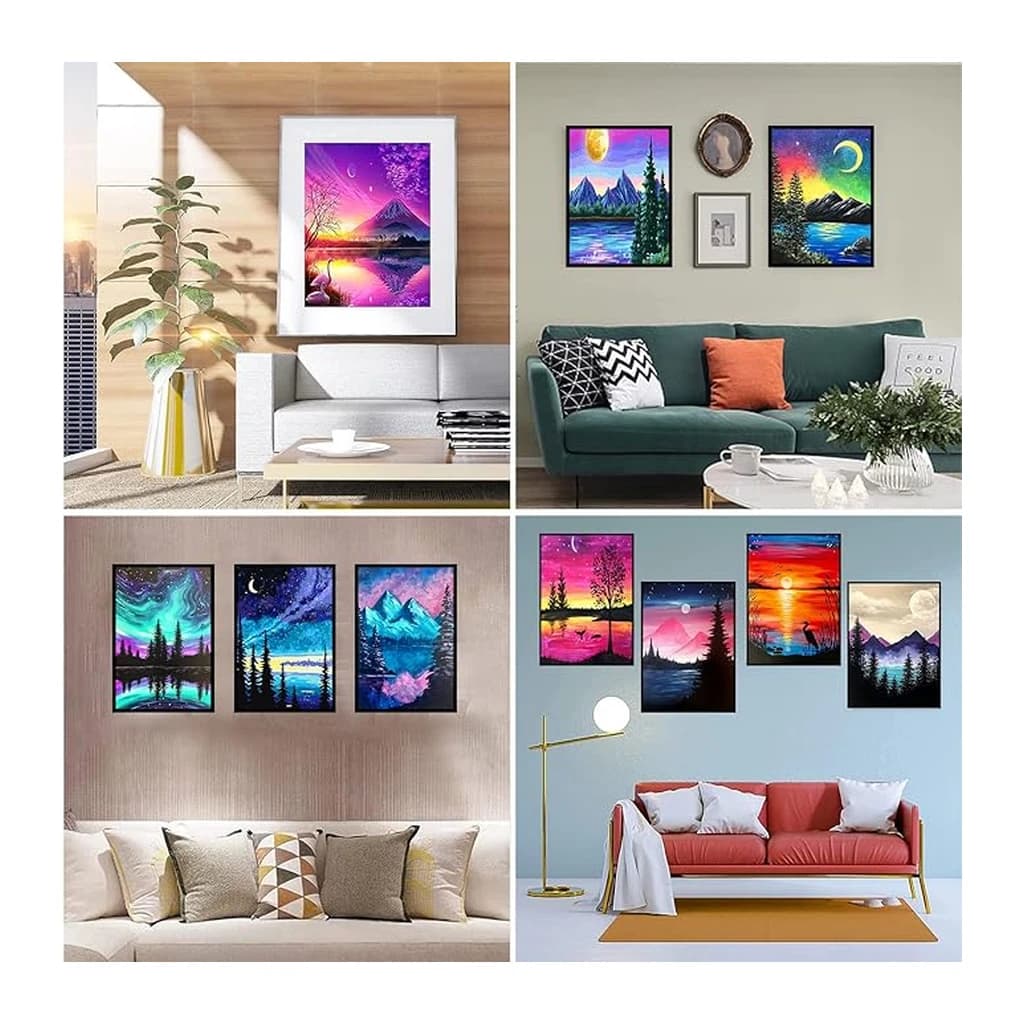
Twelve small canvases, so a first attempt never commits you to a long project
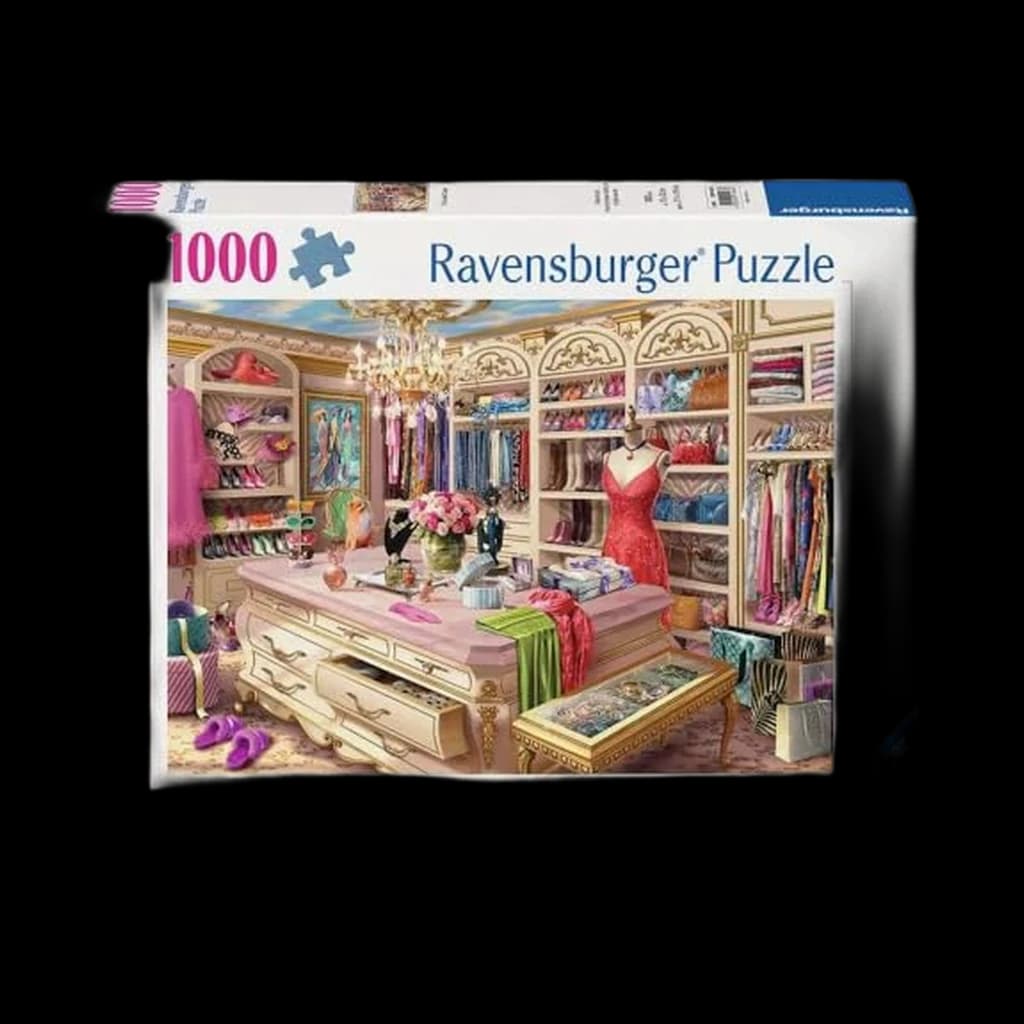
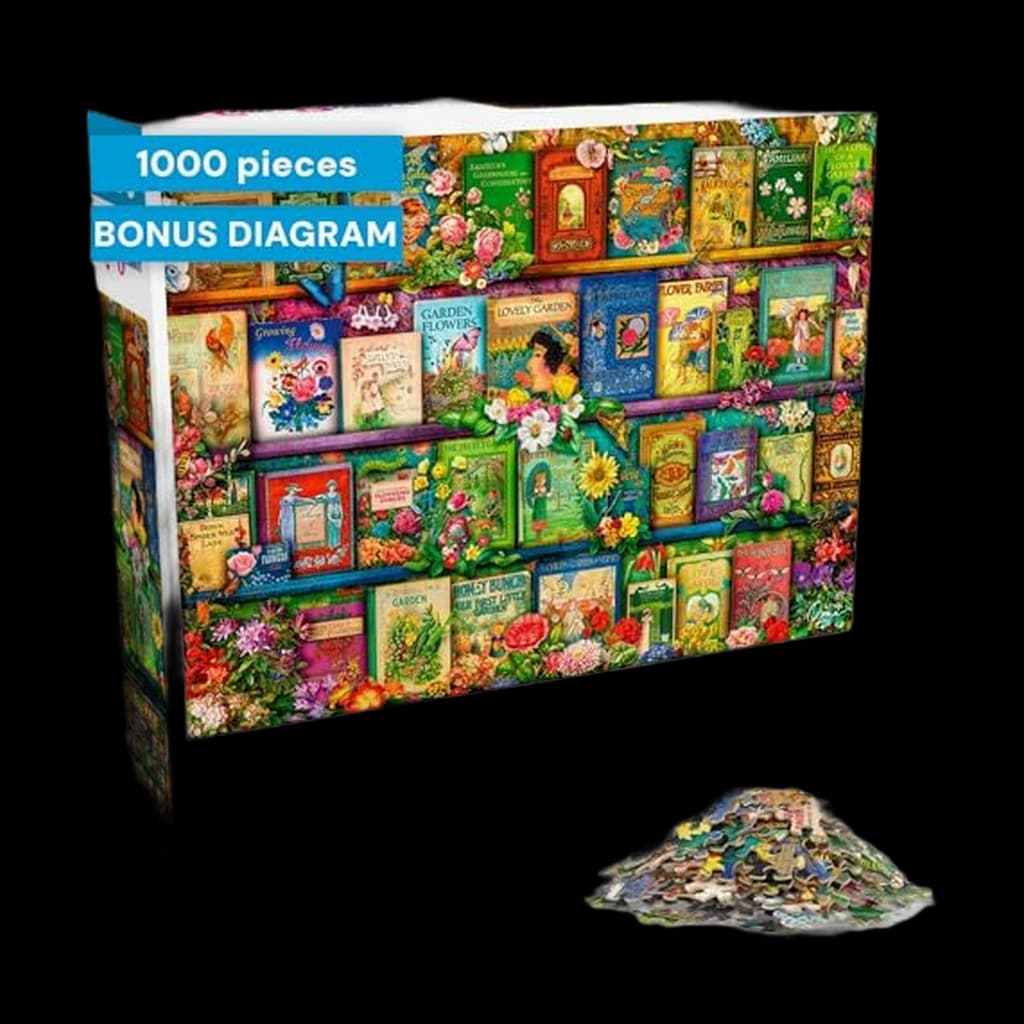
The budget 1000-piece entry point for a puzzle you are allowed to leave unfinished
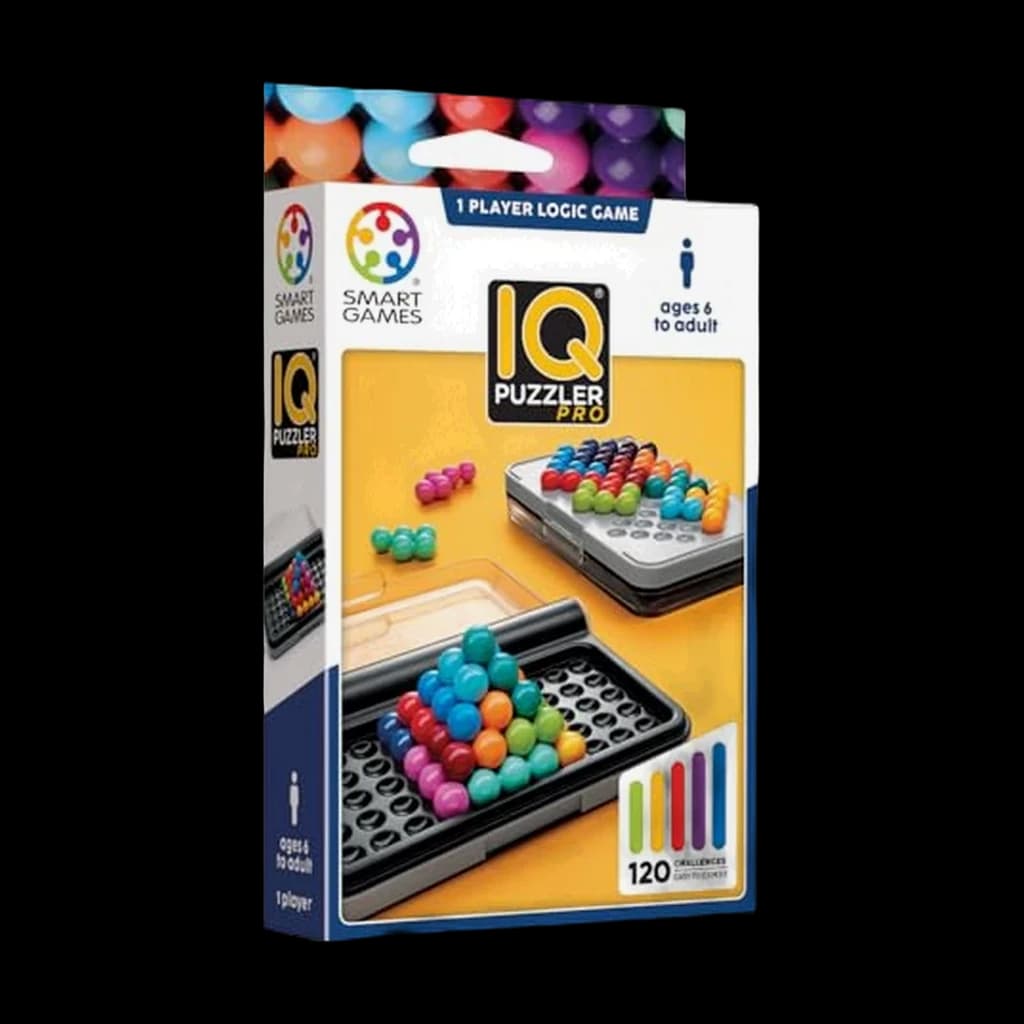
Pocket logic puzzles with escalating difficulty you can put down at any point
#5
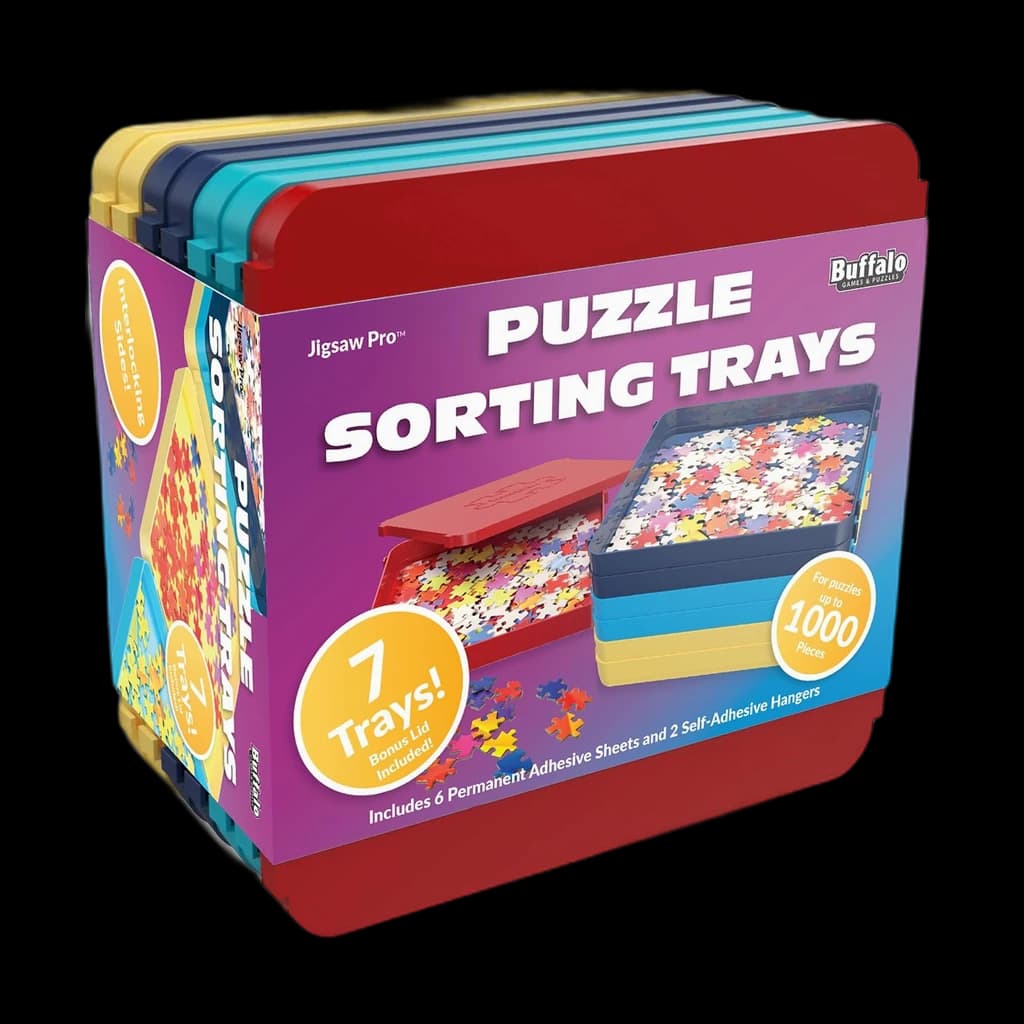
Buffalo Games Puzzle Sorting Trays (7-Piece)
Seven stacking trays that let you pack a puzzle away in the middle of a session
* Prices are approximate. Tap Buy to see current pricing on Amazon.
#1Crayola Inspiration Art Case (140 pieces, Space Theme) 4.8 | #2TINY FUN 12-Pack Diamond Painting Kits for Beginners 4.7 | #3Buffalo Games Aimee Stewart 1000pc 4.7 | #4SmartGames IQ Puzzler Pro 4.8 | #5Buffalo Games Puzzle Sorting Trays (7-Piece) 4.7 | |
|---|---|---|---|---|---|
 |  |  |  | | |
| CurioRank | - | ||||
| Verdict | A broad drawing starter set, worth buying only once you know you enjoy sketching | Twelve small canvases, so a first attempt never commits you to a long project | The budget 1000-piece entry point for a puzzle you are allowed to leave unfinished | Pocket logic puzzles with escalating difficulty you can put down at any point | Seven stacking trays that let you pack a puzzle away in the middle of a session |
| Price | |||||
| Buyer sentiment | Quality Gift Color options Value for money Durability Buyers praise quality, gift, color options and value for money. Some flag durability. Based on 2,595 user mentions | Quality Value for money Appearance Enjoyment Size Buyers praise quality, value for money, appearance and enjoyment. Some flag size. Based on 366 user mentions | Enjoyment Quality Color Appearance Missing pieces Buyers praise enjoyment, quality, color and appearance. Some flag missing pieces. Based on 286 user mentions | Fun Difficulty Quality Age-appropriate Buyers praise fun, difficulty, quality and age-appropriate. Based on 474 user mentions | - |
| Pros |
|
|
|
|
|
| Cons |
|
|
|
|
|
* Prices are approximate. Click Buy to see current pricing on Amazon.
Almost everything below starts free. The table above is only for the three of these eight where a small, cheap purchase genuinely helps once you already know you enjoy the activity — not a shopping list to work through first.
A hobby can become the most enjoyable part of a day, or a second job with nicer equipment. The difference is not always the activity: reading is restful until it becomes a race through an annual target.
A relaxing hobby is therefore not whatever gets described as calming online. It fits the energy you have, gives your attention somewhere to go, and can be done imperfectly. The eight below are not treatments or a ranking; the question is which version you would repeat on an ordinary, slightly tiring day.
What the research can and cannot tell us
A 2023 study led by Hei Wan Mak examined hobby engagement and mental wellbeing among adults aged 65 and older across 16 countries, and found participation associated with better outcomes on several wellbeing measures. The observational design cannot show that starting a hobby causes those improvements, and the finding should not be generalized to every age group.
Girija Kaimal and colleagues studied a brief art-making session in a small group of adults and observed changes in cortisol. Without a randomized comparison group, it cannot establish that art itself caused the change.
These findings support interest in leisure activities, not promises that a craft reliably lowers a stress hormone.
You do not need a biomarker claim to take those experiences seriously.
Choose the kind of effort you have room for
Consider what you want a break from. After a day of conversation and decisions, a solitary activity with few rules may appeal; after a quiet day alone, the restorative part might be company.
Then treat setup and cleanup as part of the activity, because they decide whether it fits the gap you actually have. The cost language below is practical rather than quoted: no additional purchase means you already own or can borrow what is needed.
Run a candidate hobby through this before you spend anything
- Can I start it in the gap I actually have, not the evening I imagine having?
- Does it want the kind of rest I need today — quiet and solitary, or company?
- Where does the unfinished version live, and does that create friction with anyone?
- Can I try it with something I already own or can borrow?
- If I do it badly, does anything bad happen?
1. Backyard birdwatching without a checklist target
Birdwatching can begin at a window or on a familiar walk. Start with behavior rather than names: how a bird moves, where it pauses, whether it feeds alone. That gives you something to follow before you know the vocabulary.
For a gentle next step, try learning your local backyard birds — a few familiar visitors, not an obligation to identify every distant shape. Observe without approaching nests, disturbing birds, or trespassing; ethical birding puts wildlife and other people ahead of a sighting.
2. Sketching ordinary objects badly on purpose
Choose something unremarkable: a cup, a leaf, a folded cloth. Spend a few minutes looking and drawing without erasing every line. The exercise is not to prove artistic ability; it is to give your eyes and hands a shared, limited task.
A pencil and spare paper make this a no-additional-purchase option for many households.
A starter set earns its place only once several weeks of pencil sketching have told you that you want more colour to work with. The Crayola Inspiration Art Case is a cheap spread of crayons, markers and coloured pencils in a latching case, so the whole hobby stays one object you can put on a shelf. Buying it before that signal arrives is the trap.
The other trap is turning every attempt into a public performance. Keep early pages private. The small art-making study above is a reason for curiosity, not a promise that sketching will change your cortisol.
3. Repetitive handwork with a forgiving project
Simple hand stitching, basic knitting, or another repetitive textile task offers a clear sequence without a screen. Choose a project where a mistake is repairable and the finished object carries no safety function: a practice square beats an ambitious gift with a deadline. Startup cost depends on what you can borrow; the ongoing cost is materials, plus the temptation to start several projects at once.
If no needle-and-thread supplies are within reach, a beginner diamond painting pack is the same shape of activity bought as one small object — repetitive placement work with a clear sequence and nothing irreversible to get wrong. Twelve small canvases rather than one large one matches the advice above: a first project you can finish in an evening beats an ambitious one with a deadline.
This is a poor fit on days when precise handwork feels irritating. Adjust position, take breaks, or choose something else — there is no prize for forcing yourself to find a supposedly soothing craft relaxing.
4. Tending one manageable plant
Gardening does not have to begin with transforming a yard. One plant suited to the light and space you actually have is enough, and the useful activity is noticing and responding: checking the soil, watching new growth, removing a spent leaf.
An existing plant or a shared cutting costs little; containers, growing medium and replacements introduce real costs, and outdoor projects expand rapidly. A living thing creates ongoing responsibility, satisfying or stressful depending on your circumstances. Check plant safety around children and pets.
5. Reading for pleasure without a reading goal
Pleasure reading works best when you give yourself permission to read what you actually want: fiction, essays, a familiar favorite, something unrelated to professional improvement. It does not need to make you more informed, impressive, or efficient.
A library or your own shelves keep the cost at zero, subject to local access. An audiobook serves a different need when holding a book is inconvenient; neither format is more virtuous.
Try a small, repeatable invitation instead: a few pages after dinner, or listening during a quiet household task.
6. A puzzle that can remain unfinished
Jigsaws, crosswords, word games, and logic puzzles give attention a defined problem. For some people that boundary is what makes them appealing; for others an unresolved puzzle is another frustrating demand. Borrowing or a basic puzzle book keeps startup costs modest. Digital versions are convenient, but advertisements, notifications, streaks and paid upgrades change the experience.
A budget 1000-piece jigsaw is the physical answer to that paragraph — no advertisements, no notifications, no streak to maintain, and cheap enough that finding out jigsaws are not for you costs very little. A 1000-piece box is a multi-session commitment by design, which is the point: it is meant to sit part-finished between visits.
Set up an easy stopping point: a surface that can be cleared, and permission to leave a section unresolved. A relaxing session should not require staying up late to feel complete.
That stopping point can also be bought. Seven stacking sorting trays with a lid mean a half-built puzzle can leave the dining table in under a minute, so nobody has to choose between the activity and the room. They cost less than most of the puzzles they serve, and are worth buying only after a jigsaw has earned a repeat visit.
7. Making or listening to music with no audience
Music can be an activity rather than background noise. Listen to one piece without multitasking, notice an instrument you usually overlook, hum a melody, or play something simple on an instrument already available. The invitation is engagement, not performance.
Listening can require no new purchase. Learning an instrument may involve borrowing, lessons, maintenance and eventually equipment costs, so start with the version that matches your resources rather than assuming a purchase will create a habit.
8. A slow observation walk
This is not a disguised fitness test. Choose a manageable route and one loose theme to notice: changing light, different leaves, interesting doors. Pace and distance stay secondary. A familiar route needs no new spending, and a seated observation session works when walking is not suitable.
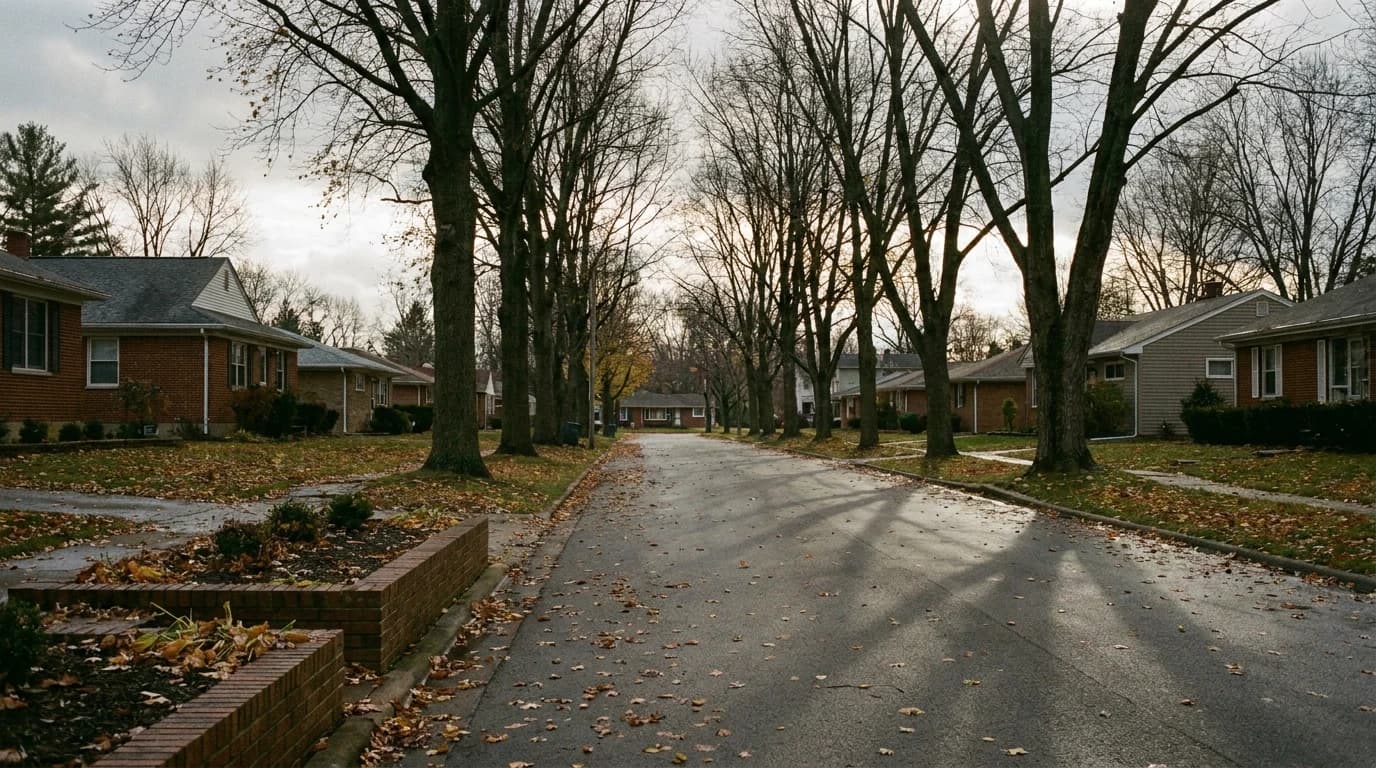
Research on nature experiences gives reasons to investigate attention and stress-related effects, but does not establish that every short walk produces a particular biological outcome. Use normal precautions for traffic, weather, accessibility and personal safety. The most restorative route is not the one that proves you can handle bad conditions.
Match the hobby to the moment, not your ideal self
You may like the idea of painting while disliking the cleanup. That is useful information, not failure — a hobby does not have to become part of your identity before you try it and move on. Keep two options: one nearly effortless, such as a familiar book, and one more engaging, such as learning a basic stitch. Having both is what stops a poor fit reading as failure at leisure.
If the nearly-effortless half of that pair needs to be something other than a book, a pocket logic puzzle set is a candidate: a single-player case whose challenges escalate, so you can match the difficulty to the energy you have and stop between any two of them. No table, no setup, no cleanup.
A social version works too, but choose company carefully: a welcoming group makes it easier, a competitive one turns it into another place to be evaluated.
Try a small experiment before buying a new identity
A five-step trial that costs nothing
- Pick one activity from the eight above — the one you would repeat on a tiring day, not the one with the best reputation.
- Arrange a few manageable attempts. Not a schedule; a handful of realistic openings.
- Keep the setup simple and skip any major equipment purchase for now.
- After each attempt, ask three questions: was starting easy, was any part of it enjoyable, and did the cleanup or the unfinished work become a burden?
- Change one condition — shorter session, easier difficulty, no social media — before concluding that the hobby, or you, is the problem.
That is self-reflection, not a validated stress assessment. Keep leisure separate from compulsory self-improvement: a hobby does not have to become a side business, produce gifts, or generate content. Persistent distress may need professional care, and a hobby is not a substitute. But ordinary enjoyment deserves space even when it cannot be translated into a measurable return.
Common questions
Do relaxing hobbies actually reduce stress?
Which hobby is the most relaxing?
How much should I spend to start a hobby?
What if I try a hobby and do not enjoy it?
Is it worth keeping more than one hobby going?
Research Sources
- Mak HW et al., “Hobby engagement and mental wellbeing among people aged 65 years and older in 16 countries” - Nature Medicine, 2023 (observational; not proof of causation, older adults only)
- Kaimal G, Ray K, Muniz J, “Reduction of Cortisol Levels and Participants’ Responses Following Art Making” - Art Therapy, 2016 (small uncontrolled study)
- American Birding Association - ABA Code of Birding Ethics
- Hunter MR, Gillespie BW, Chen SY-P, “Urban Nature Experiences Reduce Stress in the Context of Daily Life Based on Salivary Biomarkers” - Frontiers in Psychology, 2019