Key takeaways
- Three is the count where kingmaking peaks. At two you can only help yourself and at four a spite move gets diluted; at three, the player who cannot win often decides who does.
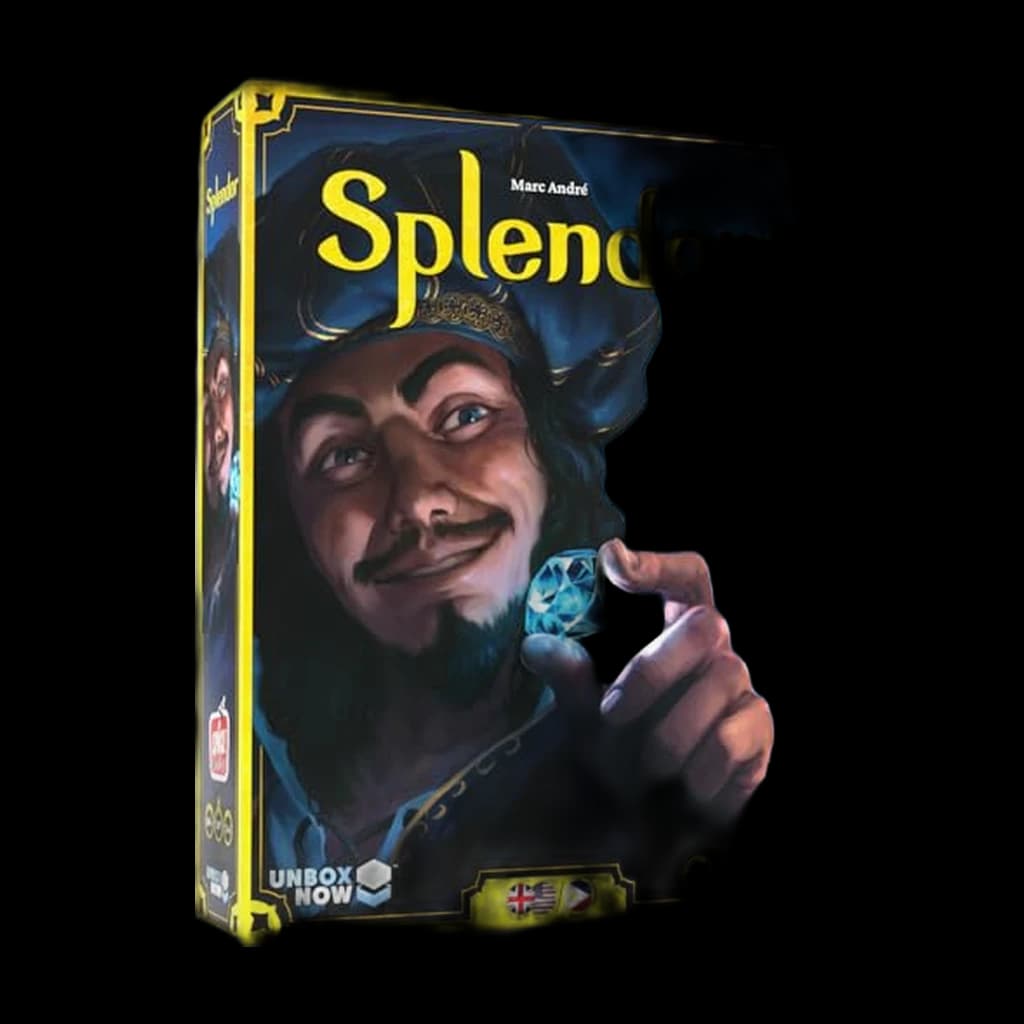
- Splendor is the pick if you want one box for three - listed by its publisher at 2 to 4 players and about 30 minutes, with a contested shared row and no way to single anyone out.
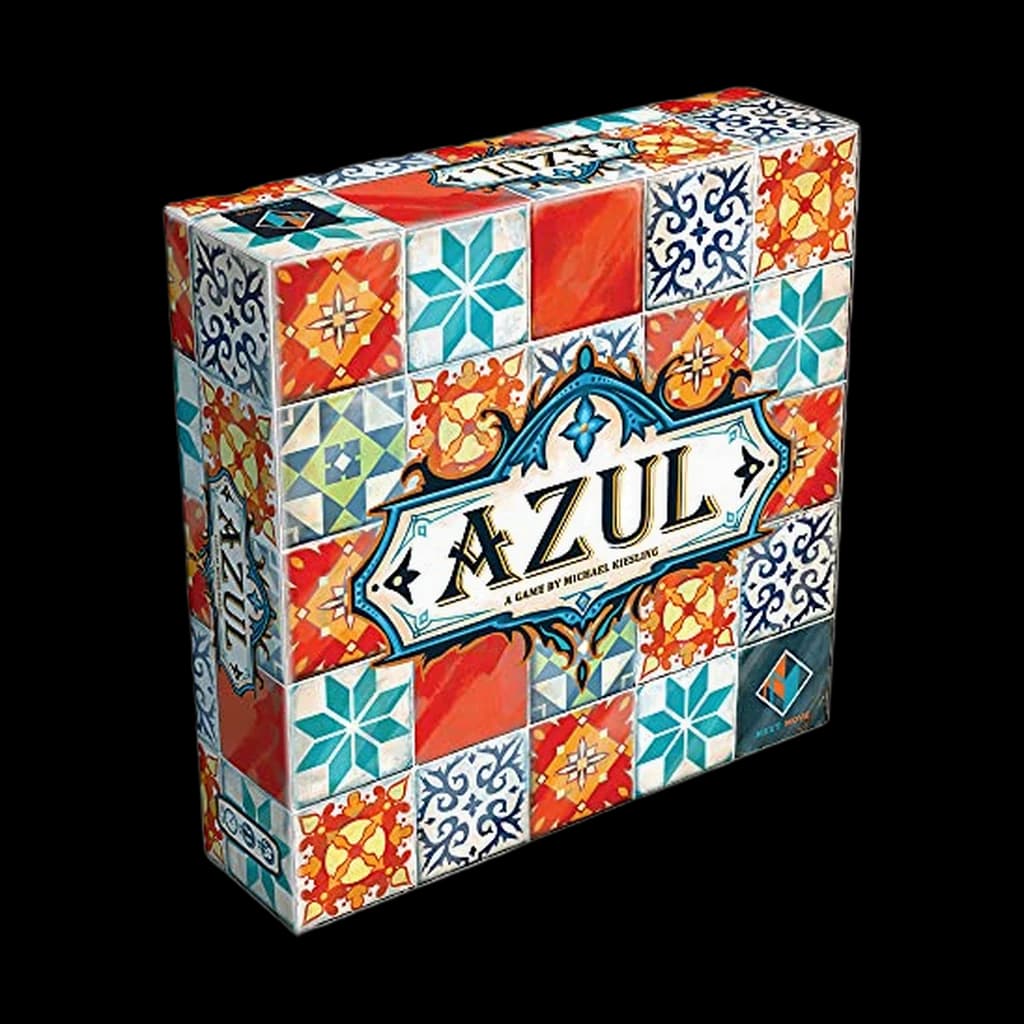
- Check whether the rules resize the shared market. Azul's rulebook sets out five factory displays at two players, seven at three and nine at four, so the draft stays tight instead of going slack.
- The floor on the box is a real signal: Skull starts at three players and Catan's official range is 3 to 4, so both had to be balanced at three rather than merely permitted there.
On this page
Side-by-side comparison
The safest single box for a table of three: a contested shared row, no way to target anybody, and turns short enough that nobody waits.
The one game here whose rules physically resize for the count - seven factory displays at three keeps the draft as tight as a four-player game.
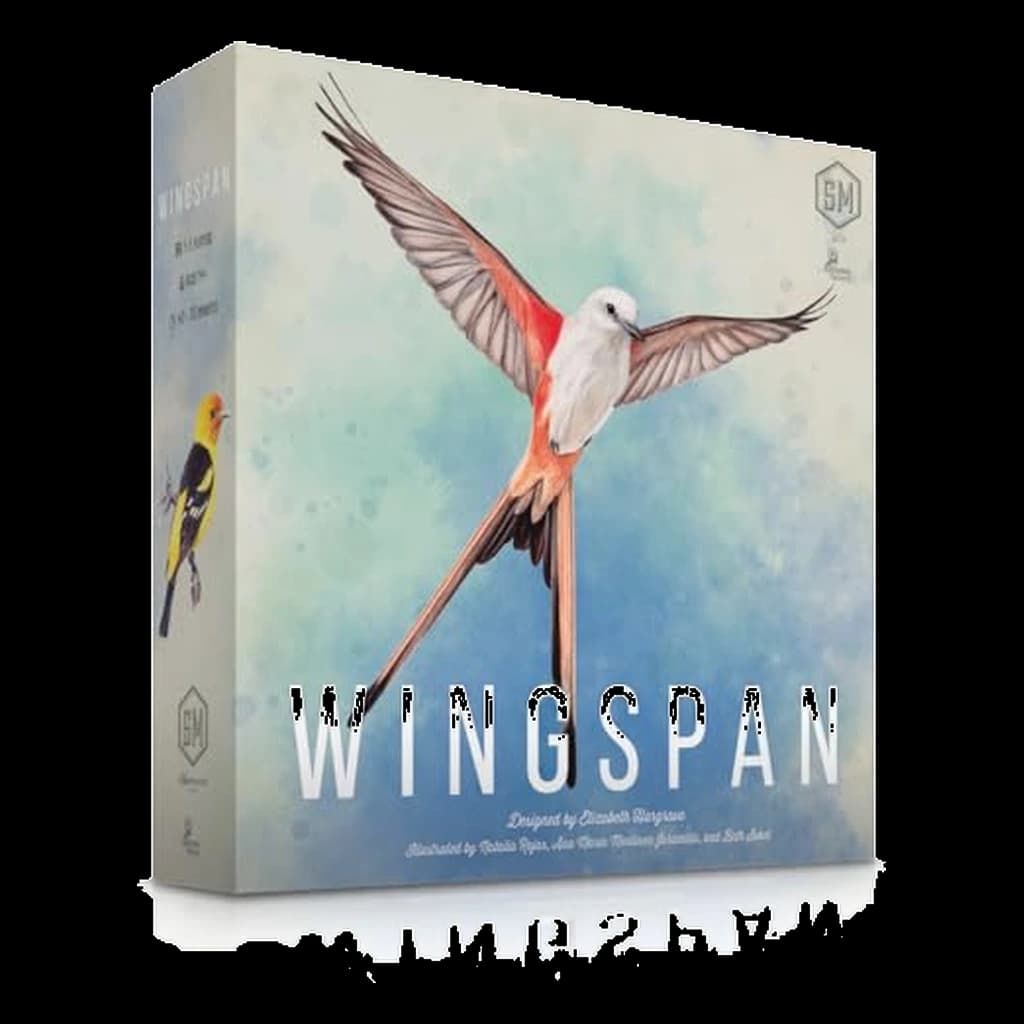
The mid-weight pick. Parallel tableau building means a slow player costs you seconds, which is what makes it survive the count that punishes downtime hardest.
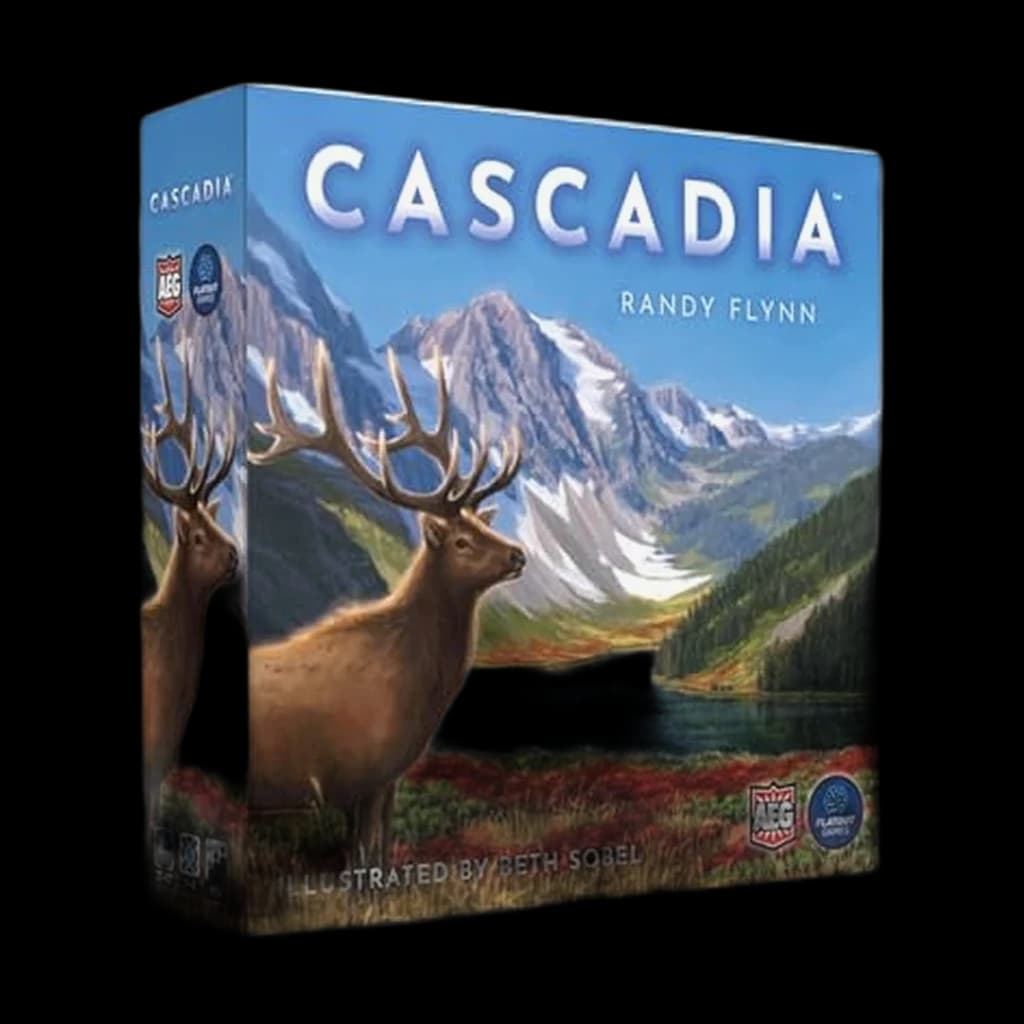
The one to reach for when the third seat belongs to a newcomer: five-minute teach, calm scoring, and nobody can be attacked.
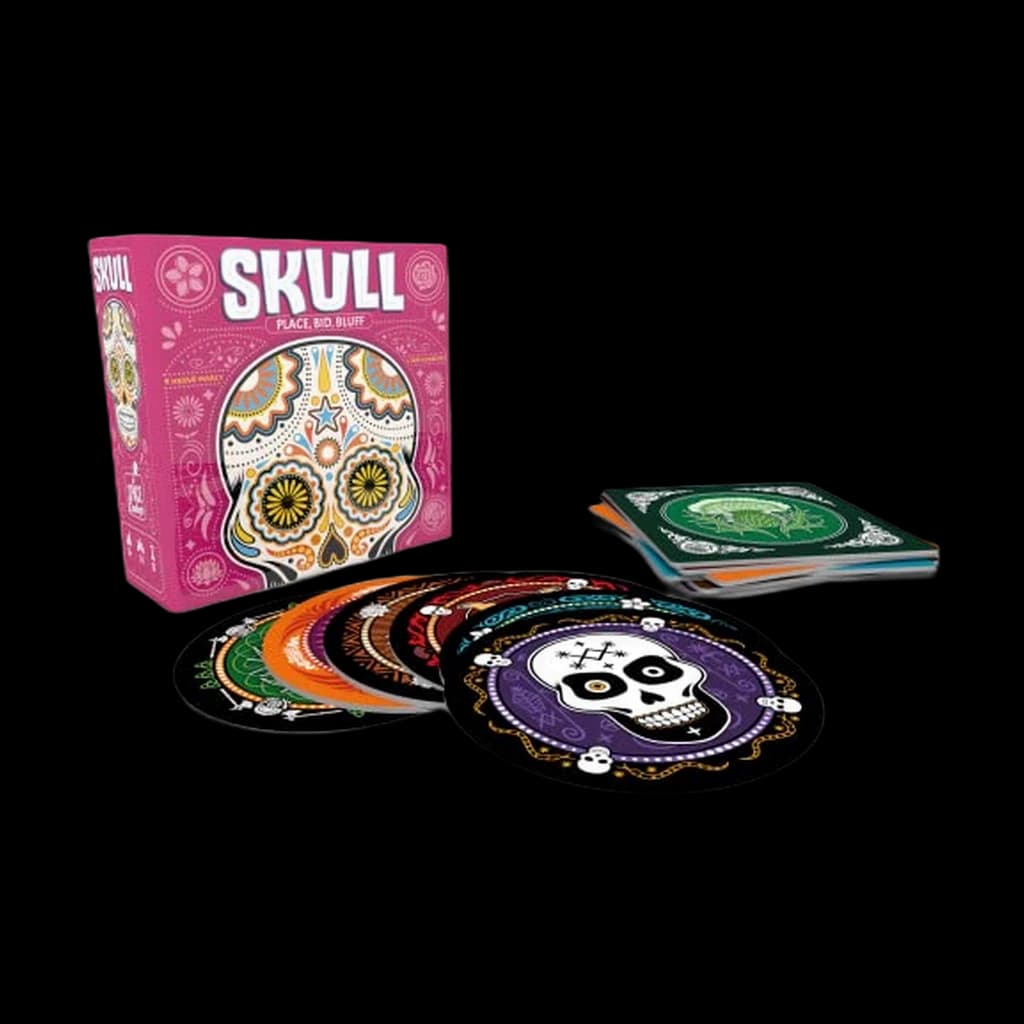
The only pick whose player minimum is three - a bluffing game with no two-player mode, so three is the count it was balanced around.
* Prices are approximate. Tap Buy to see current pricing on Amazon.
#1Splendor 4.9 | #2Azul 4.8 | #3Wingspan 4.8 | #4Cascadia 4.9 | #5Skull 4.8 | |
|---|---|---|---|---|---|
 |  |  |  |  | |
| CurioRank | |||||
| Verdict | The safest single box for a table of three: a contested shared row, no way to target anybody, and turns short enough that nobody waits. | The one game here whose rules physically resize for the count - seven factory displays at three keeps the draft as tight as a four-player game. | The mid-weight pick. Parallel tableau building means a slow player costs you seconds, which is what makes it survive the count that punishes downtime hardest. | The one to reach for when the third seat belongs to a newcomer: five-minute teach, calm scoring, and nobody can be attacked. | The only pick whose player minimum is three - a bluffing game with no two-player mode, so three is the count it was balanced around. |
| Price | |||||
| Players (publisher) | 2-4 | 2-4 | 1-5 | 1-4 | 3-6 |
| Stated play time | About 30 minutes | About 45 minutes | 40-70 minutes | 45 minutes | 30 minutes |
| Interaction at three | Shared card row - directional, never targeted | Shared tile pool - pressure passes to your neighbour | Shared bird tray and dice only | Shared draft, no attacks | Pure bluffing - reads sharpen with fewer players |
| Teach time | 5 minutes | 5 minutes | 20 minutes | 5 minutes | 60 seconds |
| Buyer sentiment | Strategy Family-friendly Game speed Player count Buyers praise strategy, family-friendly, game speed and player count. Based on 1,694 user mentions | Ease of learning Strategy Appearance Family-friendly Buyers praise ease of learning, strategy, appearance and family-friendly. Based on 2,030 user mentions | Gameplay Artwork Ease of learning Variety of birds Buyers praise gameplay, artwork, ease of learning and variety of birds. Based on 2,331 user mentions | Gameplay Ease of learning Visuals Family-friendly Buyers praise gameplay, ease of learning, visuals and family-friendly. Based on 609 user mentions | Gameplay Ease of learning Players count Game quality Buyers praise gameplay, ease of learning, players count and game quality. Based on 308 user mentions |
| Pros |
|
|
|
|
|
| Cons |
|
|
|
|
|
* Prices are approximate. Click Buy to see current pricing on Amazon.
The three-player problem
Two players is a duel. Four is a table. Three is the count most designs handle worst - not because publishers ignore it, but because several ordinary mechanisms quietly change shape when exactly three people sit down.
Four of them account for almost every disappointing three-player night.
| Mechanism | What breaks at three | The tell before you buy |
|---|---|---|
| Direct conflict, take-that | Kingmaking - the player who cannot win picks who does | Attacks that name a target instead of hitting everyone |
| Long sequential turns | Two full opponent turns between yours, with nothing to do | Heavy planning, no simultaneous phases |
| Trading and negotiation | Two possible partners each, so offers turn predictable fast | Player-to-player trade as a core rule, not a side rule |
| Area control on a fixed map | Maps tuned for even splits leave regions nobody contests | A board that keeps every space in play at lower counts |
Kingmaking is the one that actually ruins evenings, and it is close to a three-player specialty. At two you can only ever help yourself. At four, a spite move gets diluted across the table. At three, everyone can usually see who is behind, and that player's last few decisions settle the game for somebody else.
The three-player trap: the losing player stops playing to win and starts choosing a winner. Every filter below exists to take that choice away from them.
What "good at three" actually looks like
Three structural properties separate a game that is merely legal at three from one that is good at it.
- The shared market resizes with the count. Azul's rulebook lays out five factory displays at two players, seven at three and nine at four - the tile pool is rebuilt for the count rather than left slack.
- Aggression is directional, not targeted. Taking the card someone was saving is survivable at three. Choosing a victim is not.
- Turns are short or simultaneous. At three, one slow player doubles your waiting time instead of adding a third to it.
A fourth signal is simply the floor printed on the box. Catan starts at three players, and the cheapest pick below cannot be played at two at all. A design whose minimum is three had to be balanced there, not merely permitted.
Five that hold up at three
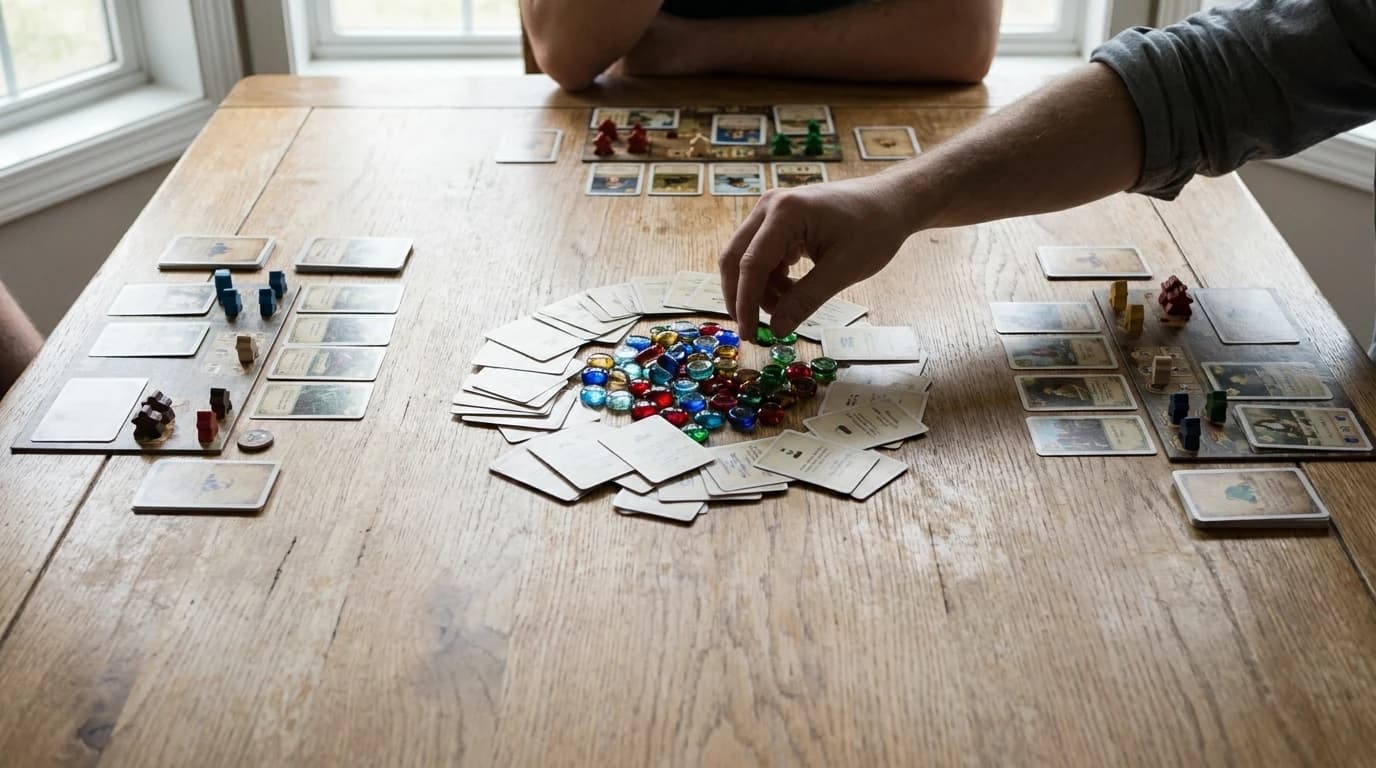
Ranked for a three-player table specifically. At four, the order would change.
1. Splendor - the safest single box for three
Check price on Amazon →Full review →Space Cowboys lists it at 2-4 players and about 30 minutes. You buy gem cards from a shared row and race to build an engine; the only interaction available is taking the card the person beside you was saving. Turns last seconds, so the gap between yours barely registers.
- Why three works: contested market, no targeting, effectively no downtime.
- Where it sags: the row refills quickly at three, so the squeeze on any one card is gentler than at four.
2. Azul - the tightest draft at the count
Check price on Amazon →Full review →Asmodee lists it at 2-4 players and about 45 minutes. It is the clearest example of a game that rebuilds itself for the count: seven factory displays at three keeps the tile pool as mean as it is with a fourth player in the seat. Taking tiles hurts whoever follows you in turn order, which is directional rather than personal - the distinction that keeps it clear of kingmaking.
- Why three works: the rules resize the shared market instead of loosening it.
- Where it sags: it is the sharpest-elbowed pick here, and its negative scoring stings a newcomer.
3. Wingspan - the mid-weight that keeps everyone busy
Check price on Amazon →Full review →Stonemaier Games lists it at 1-5 players and 40-70 minutes. Everyone builds a private tableau of birds, and competition is confined to the shared bird tray and the food dice. Three is the honest compromise: enough players that the tray turns over, few enough that the four rounds do not sprawl.
- Why three works: parallel building, so a slow turn costs seconds rather than minutes.
- Where it sags: if your group wants confrontation, this is the wrong shelf.
4. Cascadia - the pick when your third player is new
Check price on Amazon →Full review →AEG lists it at 1-4 players, 45 minutes, ages 10 and up. Draft a habitat tile and an animal token, place both, score patterns at the end. It teaches in about five minutes and nobody can be attacked, which makes it the safest thing to put in front of a friend who has not played anything since Monopoly.
- Why three works: shortest teach here, and no way for two players to gang up on the third.
- Where it sags: three experienced players will start to feel the scoring cards repeat.
5. Skull - the one whose floor is three
Check price on Amazon →Full review →Space Cowboys lists it at 3-6 players and 30 minutes, with no two-player mode at all. Everyone lays discs face down, someone bids on how many they can flip without hitting a skull, and the entire game is reading two other people. At three the reads get sharper, not thinner, because there is nowhere for a bluff to hide.
- Why three works: three is the minimum the design was balanced around, not a tolerated edge.
- Where it sags: it needs a group willing to bluff out loud. Quiet tables get little from it.
Three rules for running a three-player night
Picking the right box is most of the work. The rest is table management.
- Rotate the start player between games, not between sessions. First-player advantage lands unevenly far more often at three than at four.
- Seat the newest player between the two strongest. Turn-order pressure at three flows to your immediate neighbour, so this spreads it around.
- Keep the teach under ten minutes. Three-player nights are usually the improvised ones, and a game that needs a half-hour rules explanation rarely gets a second outing.
Table rule: if a losing player's remaining moves decide which of the other two wins, shelve that game for four-player nights. It is the failure mode three players hit hardest.
Where three is legal but thin
None of these are bad games. They are games whose best count is somewhere else.
- Heavy trading games. Catan officially starts at three and plays fine there, but each of you only ever has two possible trade partners, so the market gets readable fast.
- Social deduction. Hidden roles need a crowd to hide in; at three, deduction shrinks to a coin flip.
- Team games. Three does not split into teams without someone sitting out or doubling up.
- Four-hour epics. Two full opponent turns between yours is fine for twenty minutes and punishing across an evening.
If your table is usually two, our two-player rankings cover dedicated duels, and the solo picks handle the nights nobody else turns up. Where a designer has shipped one box for three or more players and a separate one for two, the seats settle it outright — which is the whole of 7 Wonders versus 7 Wonders Duel. For the method behind counting seats before you buy, read how to find a game's real player-count sweet spot - or browse the gateway shelf for boxes that survive a shifting table.
Common questions
What is the best board game for 3 players?
Why do so many board games feel worse with 3 players?
Are there board games designed specifically for 3 players?
Does Catan work with 3 players?
What should three players avoid?
What if we would rather not compete at all?
Research Sources
- Space Cowboys - Splendor product page (2-4 players, 30 minutes)
- Next Move Games - Azul rulebook (5 factory displays at 2 players, 7 at 3, 9 at 4)
- Asmodee - Azul product page (2-4 players, 45 minutes, ages 8+)
- Stonemaier Games - Wingspan (1-5 players, 40-70 minutes)
- AEG - Cascadia (1-4 players, 45 minutes, ages 10+)
- Space Cowboys - Skull product page (3-6 players, 30 minutes)
- CATAN - base game page (3-4 players, 60-90 minutes)
- r/boardgames - why the 3-player count is a game-design difficulty