Key takeaways
- Reusability is the single best predictor of a STEM kit being worth the money - single-use crystal-grow kits get one weekend of attention then go in the closet.
- Snap Circuits Jr. SC-100 is the rare kit a tween can use without parent supervision, and it teaches genuine circuit concepts.
- LEGO Education BricQ Motion Prime is the highest-ceiling kit on this list - it bridges into engineering coursework.
- Skip the generic 'crystal growing + dinosaur dig + volcano' combo boxes - the chemistry is single-use and the activities don't build on each other.
- Match the kit to the kid's attention span, not their age - a focused 8-year-old beats an unfocused 12-year-old at any of these.
On this page
Side-by-side comparison
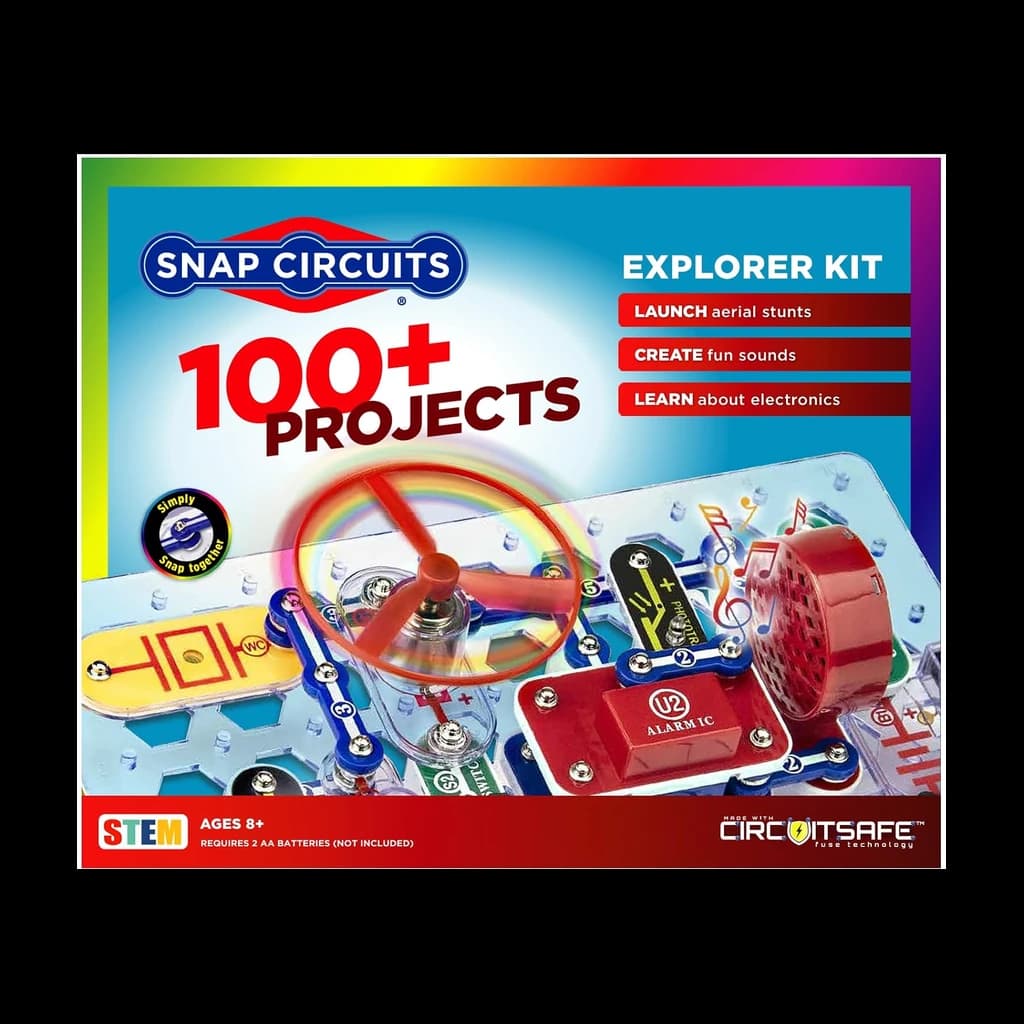
The de facto first electronics kit for two decades.
- Projects
- 100+
- Age Range
- 8-12
- Skills
- Electronics, circuits, engineering
- Reusable
- Yes
Best evidence
Real engineering - teaches actual circuit concepts
Main trade-off
Project book is paper - kids lose pages
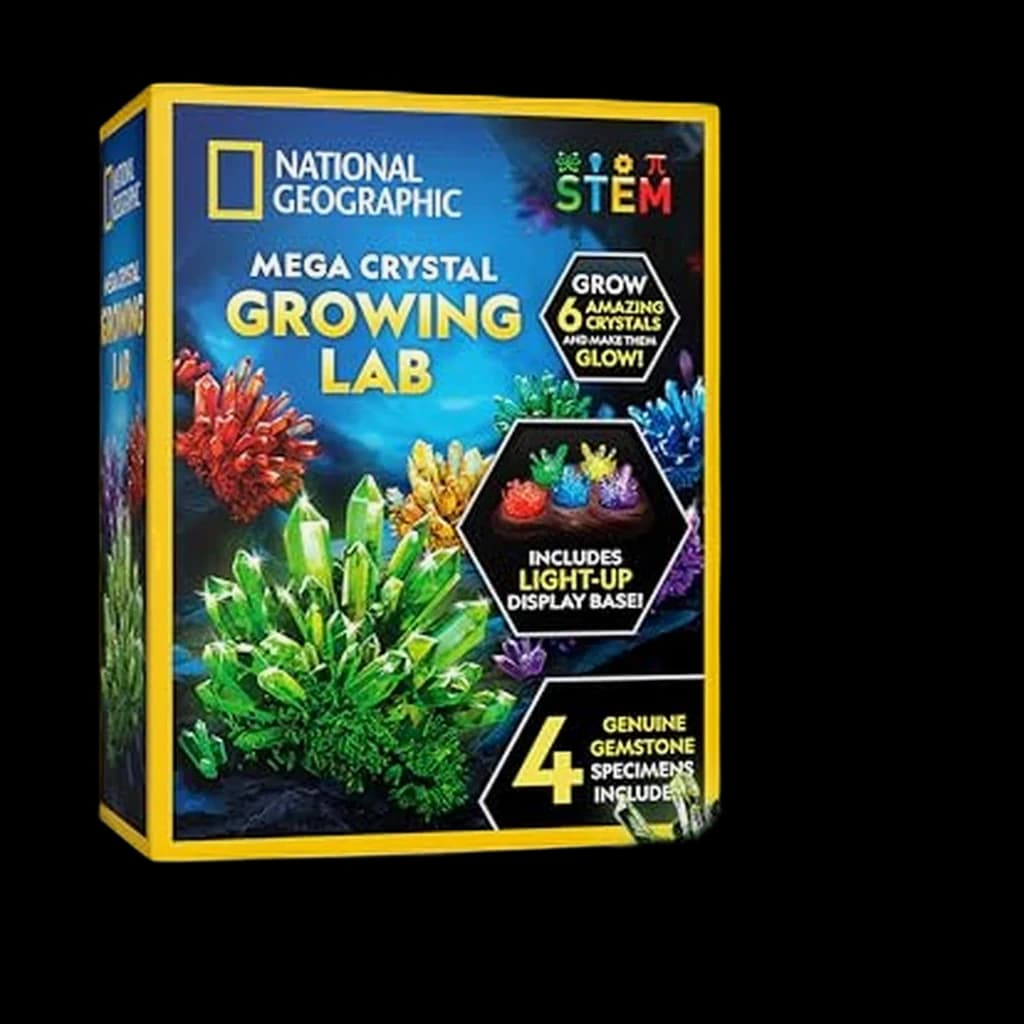
Grows real crystals over 1-2 weeks.
- Projects
- 1 (single use)
- Age Range
- 8-12
- Skills
- Chemistry, crystal formation
- Reusable
- No
Best evidence
Real chemistry - crystal formation
Main trade-off
Single-use kit
No electronics, all mechanical engineering.
- Projects
- 10+ structured builds
- Age Range
- 8-12
- Skills
- Mechanical engineering, force, motion
- Reusable
- Yes
Best evidence
Real mechanical engineering principles
Main trade-off
Higher price than entry STEM kits
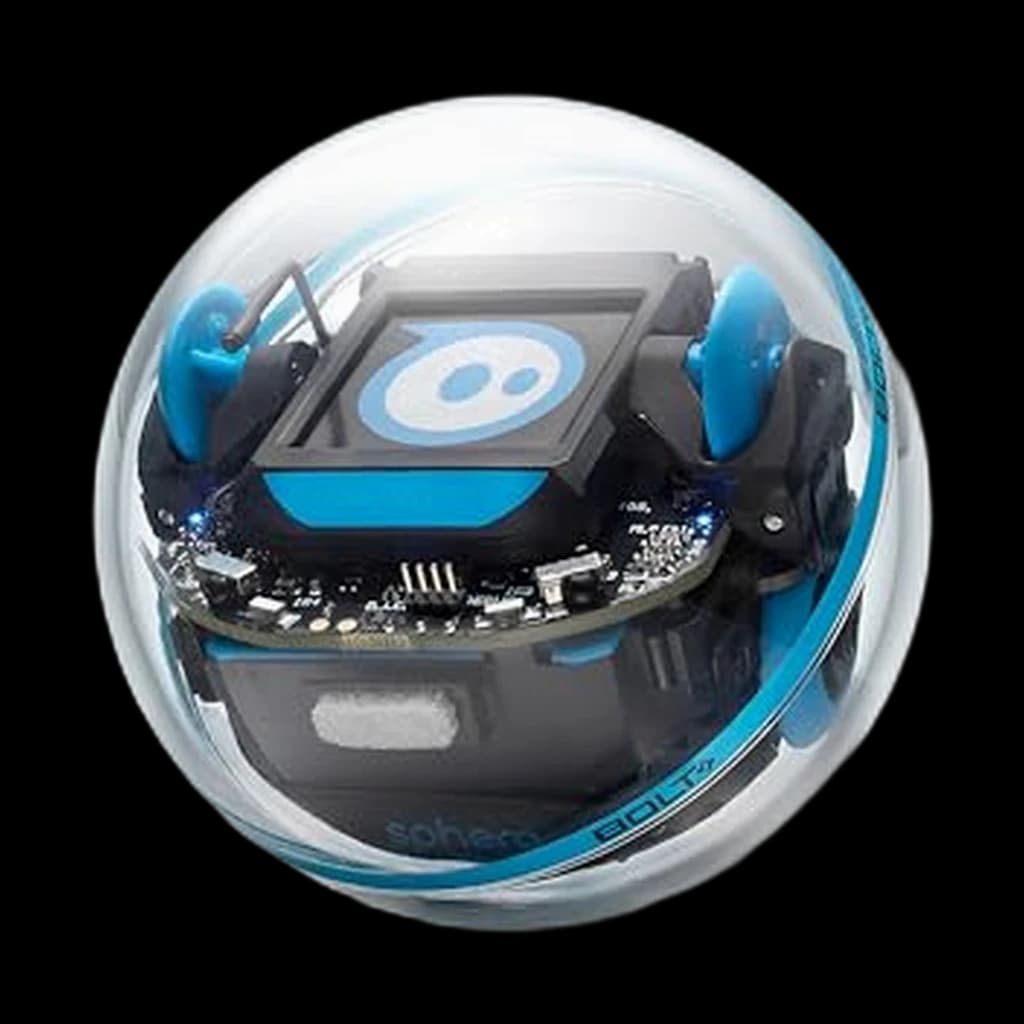
Programmable robotic ball - drag-and-drop coding, JavaScript graduation path, LED matrix for self-expression. Fills the coding-curious tween gap.
- Ages
- 8+
- Format
- Single robot kit
- Programming
- Visual + JavaScript
- Connectivity
- Bluetooth
Best evidence
Visual + JavaScript programming
Main trade-off
Premium price for a single-robot kit
* Prices are approximate. Tap Buy to see current pricing on Amazon.
| Comparison field | #1Snap Circuits Jr. SC-100 Owner rating | #2National Geographic Mega Crystal Growing Kit Owner rating | #3LEGO Education BricQ Motion Prime Owner rating | #4Sphero BOLT+ Owner rating |
|---|---|---|---|---|
 | |  |  | |
| CurioRank | ||||
| Verdict | The de facto first electronics kit for two decades. | Grows real crystals over 1-2 weeks. | No electronics, all mechanical engineering. | Programmable robotic ball - drag-and-drop coding, JavaScript graduation path, LED matrix for self-expression. Fills the coding-curious tween gap. |
| Price | ||||
| Projects | 100+ | 1 (single use) | 10+ structured builds | - |
| Age Range | 8-12 | 8-12 | 8-12 | - |
| Skills | Electronics, circuits, engineering | Chemistry, crystal formation | Mechanical engineering, force, motion | - |
| Reusable | Yes | No | Yes | - |
| Parent Time | Near zero | 30 min setup | Minimal | - |
| Curriculum | K-8 electronics standards | - | Grades 3-5 NGSS | - |
| Ages | - | - | - | 8+ |
| Format | - | - | - | Single robot kit |
| Programming | - | - | - | Visual + JavaScript |
| Connectivity | - | - | - | Bluetooth |
| Buyer sentiment | Gift Instructions Ease of use Engaging Buyers praise gift, instructions, ease of use and engaging. Based on 2,938 user mentions | Quality Fun Crystal growth Educational Buyers praise quality, fun, crystal growth and educational. Based on 970 user mentions | - | Educational Value for money Buyers praise educational. Some flag value for money. Based on 11 user mentions |
| Pros |
|
|
|
|
| Cons |
|
|
|
|
* Prices are approximate. Click Buy to see current pricing on Amazon.
Snap Circuits Jr. SC-100
- Real engineering - teaches actual circuit concepts
- 100+ projects - reusable, never single-use
- Age-appropriate scaffolded difficulty
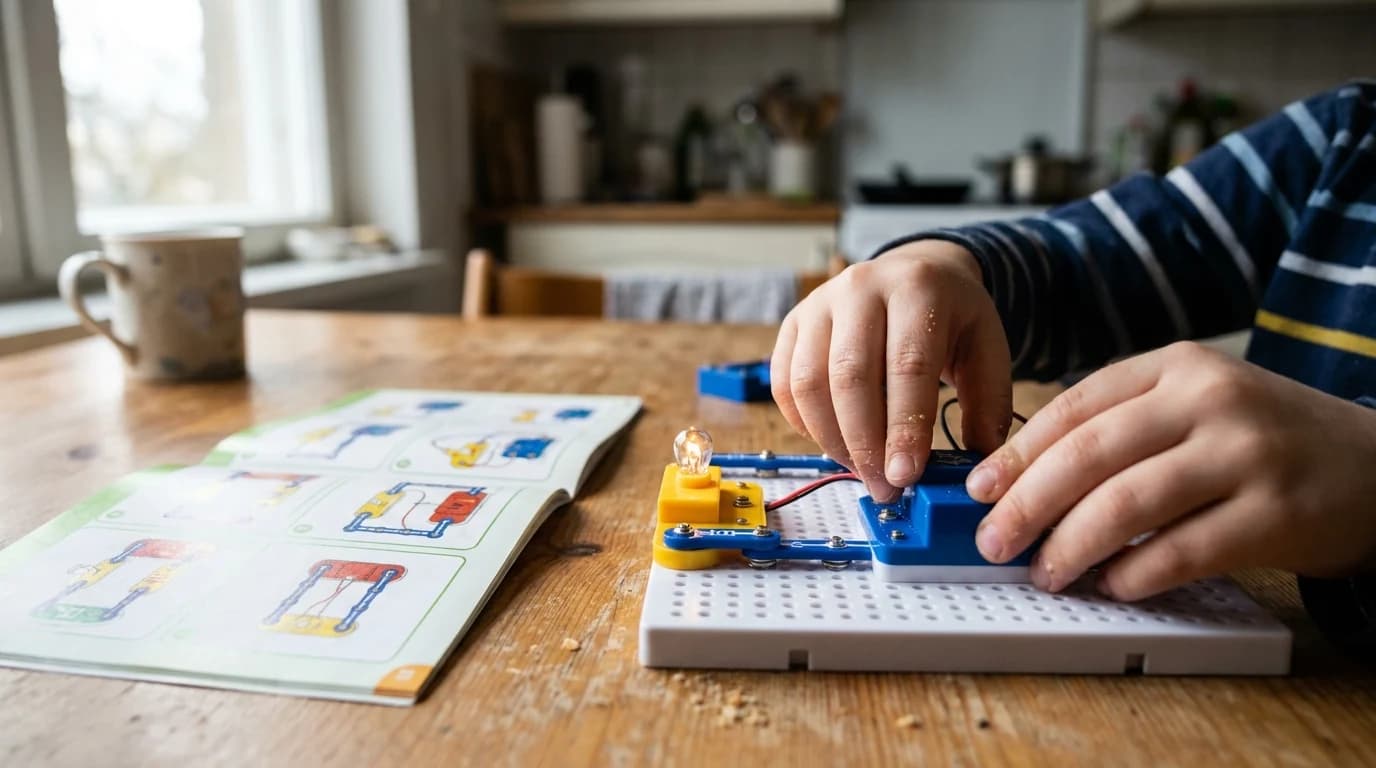
Over 100 reusable projects (it runs on 2 AA batteries, not included), and the only kit on this list a 9-year-old can run solo from the manual.
Watch the top pick: Snap Circuits Jr. SC-100
Video by a third-party creator, hosted on YouTube. Loads only when you press play.
Quick Answer
For most tweens (ages 8–12), get the Snap Circuits Jr. SC-100 - it teaches real circuit concepts through 100+ reusable projects, the parts last for years, and a focused tween can run it solo from the manual. If your tween is already deep into LEGO and you want to step up the engineering content, the LEGO Education BricQ Motion Prime is the upgrade. Skip the generic 'science experiment' combo boxes - they're single-use disguised as educational.
The question that sorts every kit: what does week 4 look like? Reusable beats novel almost every time.
The 4 Picks, Ranked
| Pick | Teaches | Reusable? | Runs solo? |
|---|---|---|---|
| Snap Circuits Jr. SC-100 | Circuits, switches, sensors | Yes, 100+ projects | Yes |
| LEGO Education BricQ Motion Prime | Gears, levers, pulleys, force | Yes | Better with a co-builder |
| Nat Geo Mega Crystal Growing Kit | Real chemistry | Single-use | Needs adult supervision |
| Klutz Circuit Clay | Conductive clay + LEDs | Partly | Yes |
1. Snap Circuits Jr. SC-100 - best overall
Check price on Amazon · List Price:This is the rare STEM kit that has stayed on best-of lists for over 15 years for one reason: the snap-together format removes every barrier to play. No soldering, no broken jumper wires, no 'where's the breadboard.' A 9-year-old can flip to project 47 and have a working light-activated alarm in 90 seconds.
- What it teaches: parallel vs series circuits, switches, sensors, basic logic
- Best for: solo play, tweens with engineering curiosity, parents who want zero supervision overhead
2. LEGO Education BricQ Motion Prime - best for LEGO kids
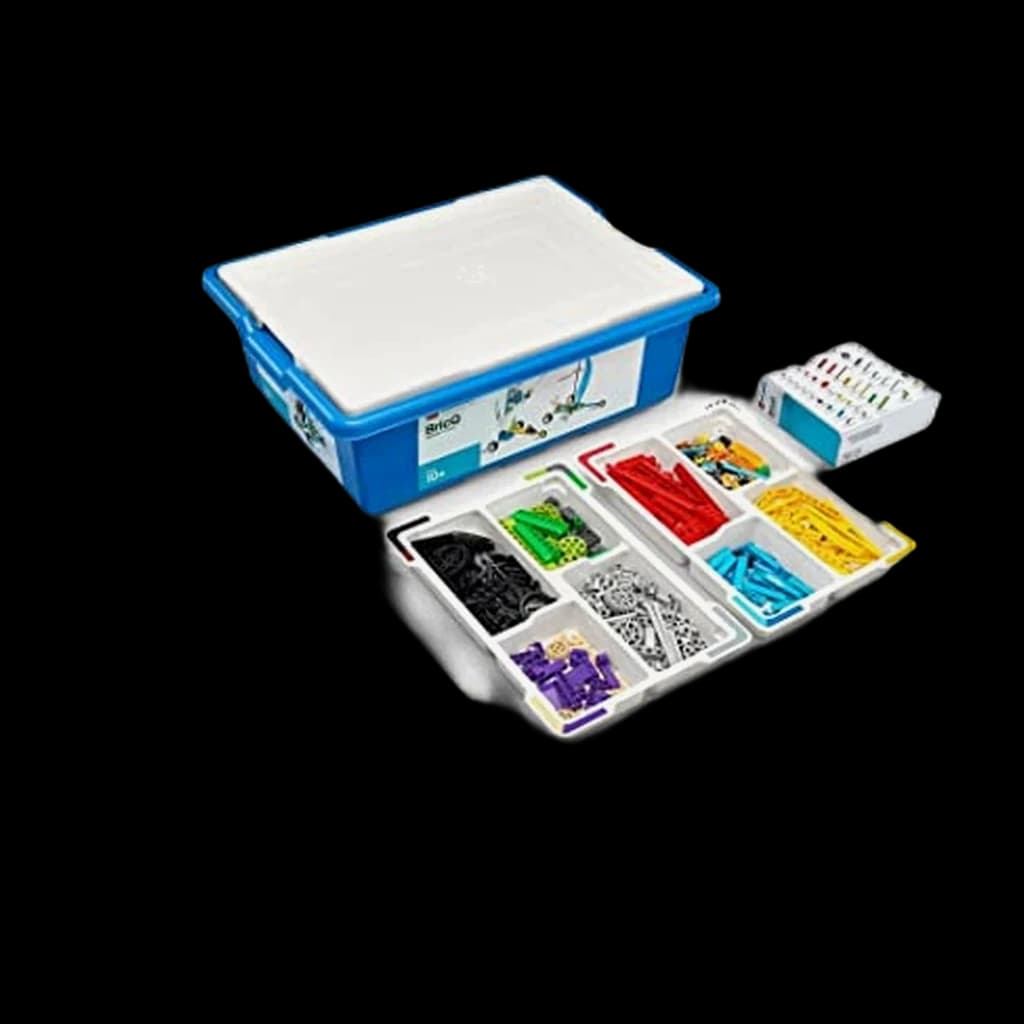
Check price on Amazon · $279.41 →Full review →LEGO Education (separate from retail LEGO sets) is built for classroom use. BricQ Motion Prime teaches mechanical engineering principles - gears, levers, pulleys, force and motion - without any electronics.
Comes with curriculum-grade activity cards. If your tween already builds Technic sets for fun, this is the next step.
3. National Geographic Mega Crystal Growing Kit - best one-off science experience
Check price on Amazon · List Price:Growing crystals is genuine chemistry - the kit uses real chemical reactions, not 'pretend science.' The catch is it's single-use. You'll get one or two weekends of attention out of it.
Buy it for a birthday or a specific science-fair project, not as a recurring activity.
4. Klutz Circuit Clay Activity Kit - best for younger / creative tweens
Klutz combines conductive clay with LED components - kids sculpt circuits instead of snapping them together. The chemistry is real (the clay conducts electricity through ionic compounds), and it pulls in art-leaning tweens who'd bounce off pure-engineering kits. Lower ceiling than Snap Circuits.
Buying Guide: What Actually Matters
Reusability beats novelty, every time
A $40 kit with 100 reusable projects beats a $25 kit you finish in one weekend.
Know which kits need you in the room
Designed for solo use:
- Snap Circuits Jr.
- Klutz Circuit Clay
Wants an adult or older sibling nearby:
- LEGO Education BricQ, at least for the first few sessions
- Crystal growing, for the chemistry step
The ceiling matters as much as the floor
Tweens grow fast. Snap Circuits has add-on kits (the SC-300 and SC-500) so the same child can keep using the original components for years.
'STEM' on the box is marketing, not a category
A plastic spinner labeled 'STEM' isn't STEM.
What to look for: a kit that names the specific concepts it teaches - circuits, mechanics, chemistry, programming - rather than vague 'science skills' copy.
Sources & Research
- Snap Circuits - Elenco product page
- LEGO Education - BricQ Motion Prime curriculum
- National Geographic Kids - STEM kits
- Klutz Press - STEM activity book line
- r/STEMtoys community
- Common Sense Media - STEM toy reviews
Common Questions
See the FAQ below for age fit, gift framing, and subscription-box alternatives.
Best entry-level coding and robotics kits
If your tween wants to code something that moves, the mBot Neo (Makeblock) is the most-recommended entry-level robot - assembles in an hour, programs in Scratch-style blocks, then graduates to Python.
The BBC micro:bit V2 is the cheaper alternative ($25–40) and the one schools actually use. GraviTrax marble run is the right pick if your tween is engineering-curious but not yet coding-ready - it teaches physics (gravity, momentum, kinetic energy) without screens.
STEM subscription box vs one-time kit
KiwiCo's Tinker Crate (ages 9–16) and MEL Science Chemistry (ages 10+) are the two boxes with the highest retention past month 3.
The math: a year of either runs ~$240, vs a $40 Snap Circuits kit that holds attention 12+ months. Boxes win when novelty is the goal (a new project monthly); a single deep kit wins when mastery is the goal. Don't buy both - pick the angle.
Cheaper alternative
Snap Circuits Jr. SC-100 ($25.49) is our #1 pick here. If that is more than you want to spend, this is a cheaper option in the same category — our researched verdict on it is below.
National Geographic Mega Crystal Growing Kit
Grows real crystals over 1-2 weeks.
Worth the upgrade
Snap Circuits Jr. SC-100 ($25.49) is our #1 pick here. If your budget stretches further, this is a pricier option in the same category — our researched verdict on it is below.
LEGO Education BricQ Motion Prime
No electronics, all mechanical engineering.
Your next step